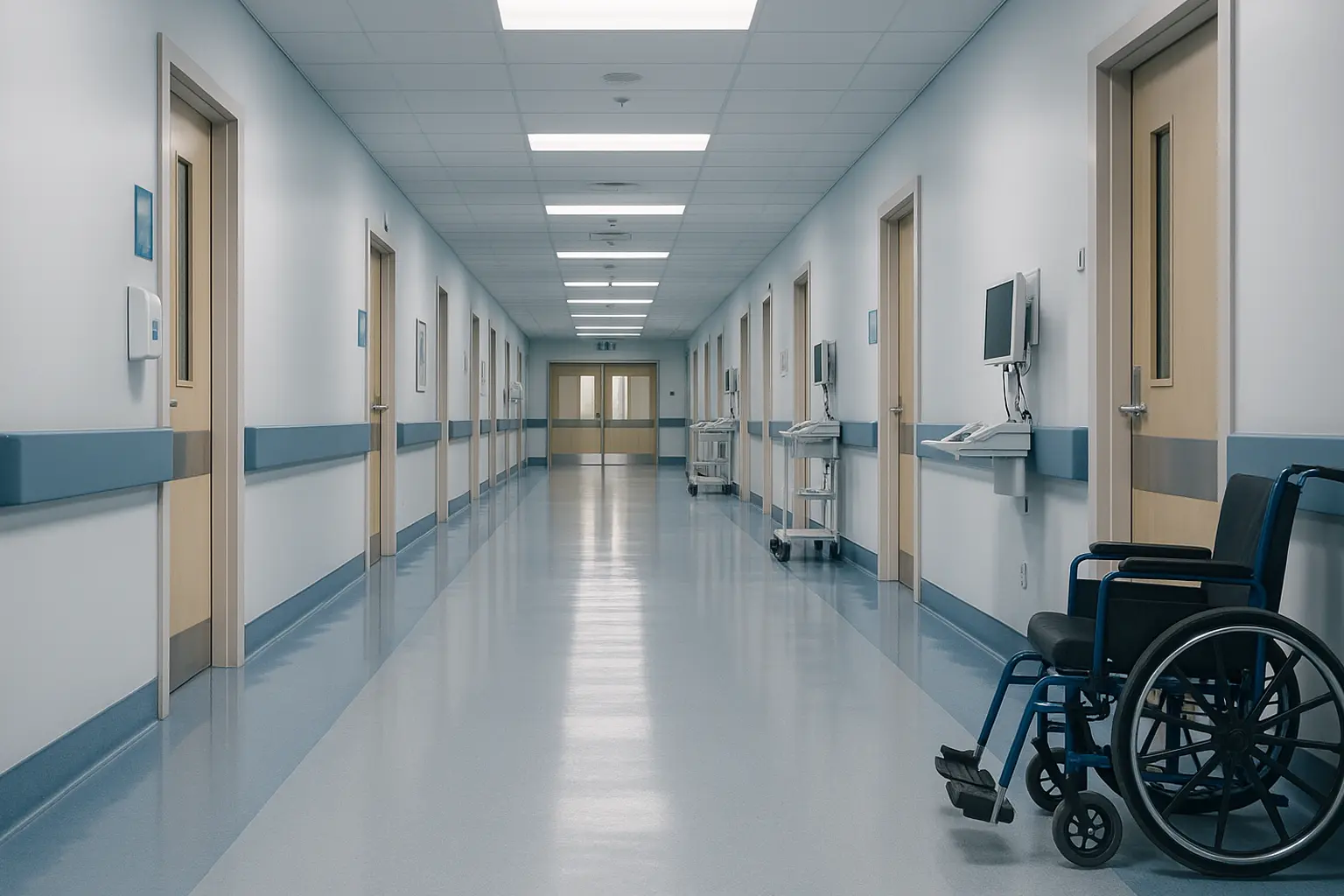
Hospitals are among the most complex environments to secure. Unlike offices or retail spaces, they operate 24 hours a day, 7 days a week, with open access for the public, vulnerable patients in care, high-value medical equipment, and staff working under pressure. This combination makes hospitals uniquely exposed to a wide range of security challenges, from theft and vandalism to aggressive behaviour and safeguarding concerns.
In the UK, both NHS and private hospitals are under increasing strain to protect their people, assets, and reputations. A single security incident, whether it’s a violent altercation in A&E, a theft from a pharmacy, or an unauthorised individual entering restricted areas, can damage trust and put lives at risk. That’s why professional hospital security services have become an essential part of modern healthcare.
Healthcare security is not just about manned guarding. It’s about:
- Protecting patients, staff, and visitors from harm
- Preventing theft of drugs, medical equipment, and personal belongings
- Managing access to sensitive areas like ICUs, operating theatres, and pharmacies
- Supporting clinical teams during incidents and emergencies
- Ensuring compliance with NHS, CQC, and safeguarding requirements
In this guide, we’ll explore everything you need to know about hospital security services in the UK, from the daily duties of healthcare security officers to the biggest threats hospitals face today, and the technologies and training that make modern hospital protection possible.
Why Hospital Security is Unique
Securing a hospital is very different from protecting an office building, a retail store, or even a construction site. Hospitals must remain open and accessible to the public, often around the clock. At the same time, they house some of the most vulnerable people in society, along with highly valuable assets and sensitive data.
This creates a balancing act: security must be visible but discreet, protective but not oppressive, and always supportive of the hospital’s primary mission, delivering care.
Some of the key differences include:
- 24/7 Public Access: Unlike most workplaces, hospitals never close. Patients, visitors, and emergency admissions mean constant foot traffic.
- High Vulnerability: Hospitals care for people in crisis, the elderly, children, those with mental health issues, and patients under stress. This increases the risk of incidents.
- Valuable Assets: From pharmaceuticals to surgical equipment, hospitals are targets for theft and fraud.
- Emotional Environments: Stress, grief, and long waiting times can lead to aggression or violence.
- Complex Layouts: Multiple wards, restricted areas, and entrances make access control a major challenge.
What Makes Hospital Security Different?
| Factor | Hospitals (Healthcare Environment) | Other Sectors (Retail, Offices, Construction) |
|---|---|---|
| Access | 24/7 open access to patients, visitors & staff | Limited to opening hours or staff credentials |
| Vulnerability | Patients (children, elderly, vulnerable adults) | Customers, employees, or contractors only |
| Assets at Risk | Medicines, surgical equipment, patient records | Cash, stock, tools, IT |
| Incidents | Violence, theft of drugs, safeguarding issues | Shoplifting, vandalism, trespass |
| Environment | Emotional, high-stress, unpredictable | Transactional, professional, or task-focused |
Why it matters:
Hospitals are unique ecosystems where security must protect lives, assets, and reputations without disrupting care. That’s why general security measures are not enough, hospitals require specialist security services tailored to healthcare settings.
The Core Roles of Hospital Security Officers
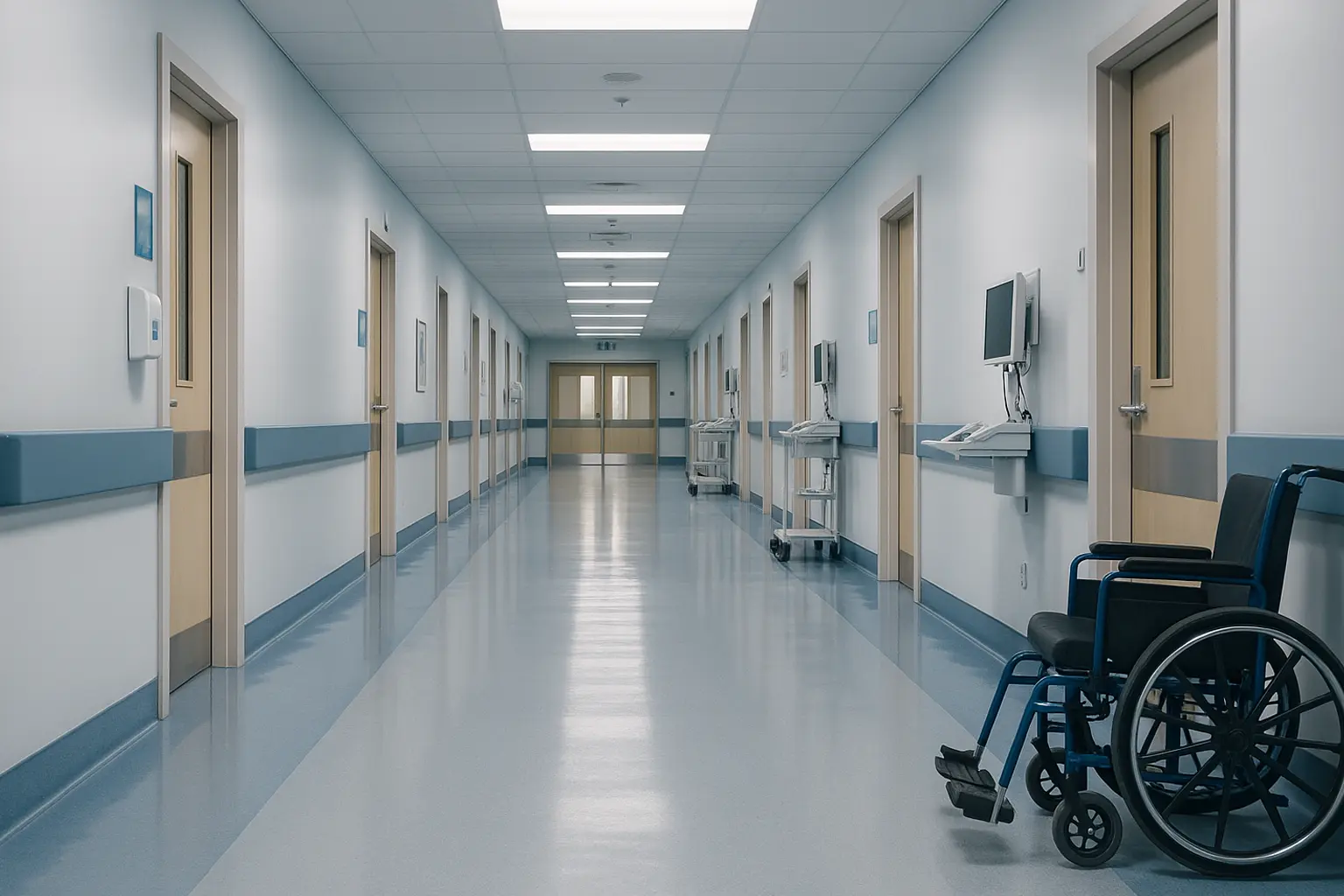
Hospital security officers are more than just “guards at the door.” They play a frontline role in protecting staff, patients, and visitors, while ensuring the smooth running of hospital operations. Their responsibilities blend traditional security with healthcare-specific duties, requiring both professionalism and empathy.
Daily Duties of Hospital Security Officers
- Manned guarding & patrols – maintaining a visible presence across wards, entrances, and car parks.
- Access control & visitor management – ensuring only authorised individuals enter restricted areas such as pharmacies, operating theatres, or ICUs.
- Responding to aggression or violence – handling disputes in A&E departments, de-escalating aggressive behaviour, and ensuring staff safety.
- Supporting clinical staff – assisting nurses, doctors, and reception staff during incidents, including physical intervention where necessary.
- Protecting assets – preventing theft of medicines, medical equipment, and patient property.
- Safeguarding vulnerable patients – monitoring at-risk individuals, including those with mental health challenges or under the influence of substances.
- Emergency response – helping with evacuations, lockdowns, or medical emergencies.
- Incident reporting – creating detailed, auditable records to support investigations and compliance.
Why it matters
Hospital security officers act as a bridge between safety and care. They’re trained not only to protect assets but also to handle complex human situations in sensitive environments. The right officers can reduce violence, protect staff morale, and create a calmer, safer hospital for everyone.
Read our article: The Role of Healthcare Security Guards in Protecting Patients
Threats Faced by Hospitals Today
Hospitals face a wide variety of security threats, many of which are far more complex than those in other sectors. These risks affect not only staff and patients, but also hospital finances, compliance, and reputation.
The Most Common Hospital Security Threats
- Aggression & Violence – Patients or visitors under stress, under the influence, or with mental health challenges.
- Theft of Medicines & Equipment – High-value drugs, controlled substances, and surgical equipment are prime targets.
- Knife Crime & Gang-Related Issues – Hospitals often become hotspots for retaliation incidents linked to crime outside.
- Safeguarding Concerns – Vulnerable patients, children, and elderly individuals require careful protection.
- Terrorism Risks – As public spaces, hospitals can be potential targets for extremist activity.
- Cyber-Physical Overlap – Increasing risks around patient data theft alongside physical threats.
Common Hospital Security Threats & Responses
| Threat | Impact | Security Response |
|---|---|---|
| Aggressive visitors/patients | Staff injury, disruption to care | Trained officers, de-escalation, bodycams |
| Theft of medicines/equipment | Patient harm, financial loss, black market trade | Access control, CCTV, regular audits |
| Knife crime spillover | Risk to staff & patients, fear & disruption | SIA-trained guards, liaison with police |
| Terrorism/public threat | Potential mass harm, lockdowns, reputational loss | Vigilance training, screening, emergency drills |
| Safeguarding incidents | Vulnerable patient exploitation or neglect | Security + staff safeguarding protocols |
| Cyber/physical crossover | Data theft + insider threats | Integrated IT + physical security measures |
Why it matters
Hospitals cannot afford to treat security as an afterthought. A single incident, whether it’s a violent attack in A&E or stolen medication, can cost lives, damage reputations, and result in legal consequences. Proactive, professional hospital security is the front line of defence against these escalating threats.
Security Technology in Hospitals
Technology plays a vital role in strengthening hospital security. While security officers are the frontline, they need the right tools to monitor large, complex environments and respond effectively. From CCTV to body-worn cameras, the right technology helps hospitals remain both safe and compliant.
Key Security Technologies in Hospitals
CCTV Surveillance Systems
- High-definition cameras covering entrances, wards, and pharmacies
- Remote monitoring integrated with control rooms
- Analytics to detect unusual movement or crowding
Access Control Systems
- Smart cards, PIN codes, or biometrics for restricted areas
- Visitor management software for contractors and guests
- Logs for auditing entry/exit in sensitive zones
Panic & Duress Alarms
- Quick-alert buttons for staff at risk of violence
- Linked to security teams and police if required
- Essential in A&E and mental health wards
Body-Worn Cameras
- Used by hospital security officers to deter aggression
- Provides clear evidence in case of incidents
- Protects staff against false claims
Lone Worker Protection
- Mobile devices or apps for staff working night shifts or in isolated wards
- GPS-enabled panic features for rapid response
Why it matters
Technology is not a replacement for people, it’s an enhancement. The right systems allow hospitals to monitor threats in real time, deter offenders, protect staff, and provide an audit trail for compliance and insurance purposes. Combined with trained officers, technology ensures no blind spots in hospital security.
Hospital Security Starts with a Conversation
Let’s protect your hospital, with elegance, intelligence, and total discretion.
Schedule a confidential consultation with our team today. We have many years experience providing security services within hospitals all over the UK, and we’re ready to help you with yours.
Training and Compliance for Hospital Security Staff
Hospital security officers need more than the standard SIA licence. They require specialist training tailored to the challenges of healthcare environments — where de-escalation, safeguarding, and compliance are just as important as physical protection.
Key Training Areas for Hospital Security
- Conflict Resolution & De-Escalation
Handling aggression in high-stress areas like A&E or mental health wards. - Safeguarding Awareness
Protecting vulnerable patients, including children, elderly, and those with learning disabilities. - First Aid & Medical Awareness
Supporting staff during medical emergencies until clinical teams arrive. - Mental Health Awareness
Understanding how to interact with patients experiencing crisis. - Physical Intervention (where permitted)
Safe and compliant restraint techniques, used as a last resort. - Legal & Regulatory Compliance
Knowledge of NHS policies, Care Quality Commission (CQC) standards, and GDPR for patient data. - Customer Service & Hospitality
Balancing protection with a reassuring, guest-friendly approach.
Core Skills Hospital Security Officers Need
| Skill | Why It Matters |
|---|---|
| Conflict Resolution | Reduces violence without resorting to force, maintaining patient and staff safety. |
| Safeguarding | Ensures protection of vulnerable groups and compliance with UK safeguarding law. |
| First Aid | Provides immediate support in medical emergencies before clinical intervention. |
| Mental Health Awareness | Improves interactions with patients in crisis, reducing escalation risks. |
| Physical Intervention | Enables controlled, compliant action when de-escalation fails. |
| Legal & Regulatory Knowledge | Keeps hospitals compliant with NHS/CQC standards and avoids liability risks. |
| Customer Service | Builds trust and reassures patients, visitors, and staff through professionalism and empathy. |
Why it matters
Hospitals are people-first environments. Security officers need to balance firmness with compassion, professionalism with empathy. Without the right training, incidents can escalate, putting patients, staff, and the hospital’s reputation at risk. Well-trained officers not only protect but also contribute to a safer, calmer healing environment.
Benefits of Professional Hospital Security Services
When hospitals invest in professional security services, the impact goes far beyond preventing theft or managing aggression. Security becomes a strategic enabler, protecting people, assets, compliance, and reputation.
Key Benefits for Hospitals & Clinics
- Safer staff environment – reducing violence and aggression helps staff feel protected, leading to lower stress and turnover.
- Increased patient trust – patients and visitors feel reassured by a visible, professional security presence.
- Reduced risk of theft and fraud – high-value assets like medicines and medical equipment are safeguarded.
- Compliance with NHS & legal standards – security reports and audit trails support CQC inspections and insurance claims.
- Operational efficiency – clinical staff can focus on patient care instead of managing disruptive incidents.
- Lower insurance costs – proactive security can reduce premiums and liability.
- Enhanced reputation – a hospital known for safety builds public confidence and protects its brand.
Why it matters
The benefits of hospital security are both human and financial. By protecting staff morale, patient safety, and institutional reputation, professional security services help hospitals operate smoothly and build long-term trust with the communities they serve.
Outsourcing vs In-House Security Teams
One of the biggest questions hospitals face is whether to rely on in-house security staff (often NHS-employed) or to outsource security to a professional provider. Both approaches have their strengths, but outsourcing is becoming increasingly popular as hospitals look for flexibility, consistency, and specialist expertise.
In-House Security
- Staff are directly employed by the hospital or NHS trust
- Familiar with the site, staff, and daily routines
- Can be integrated into the wider hospital workforce culture
- Training and resources depend on NHS budgets
Outsourced Security
- Provided by an external company under contract
- Security officers are fully trained, SIA-licensed, and healthcare-specific
- Scale up or down quickly to match demand (e.g., busy A&E vs quieter periods)
- Provider is accountable via service-level agreements (SLAs) and KPIs
In-House vs Outsourced Hospital Security
| Factor | In-House | Outsourced |
|---|---|---|
| Training | Limited to NHS budgets & resources | Continuous, specialised healthcare training |
| Flexibility | Fixed staff numbers, less adaptable | Scalable — staff levels adjusted as needed |
| Cost | Salaries, pensions, HR costs | Managed contract with fixed/known costs |
| Accountability | Managed internally (HR & line managers) | SLAs, KPIs, and external oversight |
| Innovation | Slow adoption of new tech & processes | Provider invests in latest security tools |
| Focus | Competes with wider NHS HR priorities | 100% focused on delivering security |
Why it matters
While in-house teams offer familiarity, outsourced hospital security often delivers higher consistency, faster response, and access to specialist expertise. For many hospitals, outsourcing is the most cost-effective and reliable way to protect staff, patients, and assets.
Case Study: Reducing Violence in a Busy A&E Department
A large urban hospital in Greater Manchester was struggling with rising levels of aggression in its Accident & Emergency (A&E) department. Staff reported frequent verbal abuse, threatening behaviour, and occasional physical assaults, particularly during evenings and weekends. Patients and visitors often felt unsafe, and staff sickness due to stress was increasing.
Challenges Identified:
- No consistent security presence in high-risk zones like A&E waiting rooms.
- Delays in responding to incidents due to limited staff coverage.
- Lack of training in de-escalation techniques for existing staff.
- Negative impact on patient experience, with complaints rising.
Solution:
Measures included:
- Deploying trained, SIA-licensed security officers with healthcare-specific training.
- Equipping officers with body-worn cameras to deter aggression and gather evidence.
- Introducing regular patrols in A&E and other high-risk areas.
- Providing conflict management training to both security and frontline staff.
- Implementing a 24/7 incident reporting system for audit and compliance.
Results (within 6 months):
- 40% reduction in reported incidents of violence and aggression.
- Staff satisfaction scores improved, with employees reporting feeling safer at work.
- Patient complaints fell by 25%, particularly around waiting room safety.
- Insurance claims reduced, thanks to clear bodycam evidence and incident logs.
Why it matters
This case study demonstrates how professional hospital security services can deliver tangible improvements in safety, staff morale, and patient confidence. Hospitals that invest in proactive security strategies often see results quickly, both in reduced incidents and in improved reputation.
Choosing the Right Hospital Security Provider
Not all security companies are suited to the complex environment of healthcare. Hospitals need partners who understand safeguarding, compliance, and patient care as much as physical security. Choosing the wrong provider can mean gaps in protection, higher costs, and reputational risks.
Key Factors to Consider
- Healthcare-Specific Training – Do officers have conflict resolution, safeguarding, and mental health awareness training?
- Experience in Healthcare – Has the provider worked with NHS trusts or private hospitals before?
- SIA Licensing & Compliance – Are all officers fully licensed and compliant with UK security standards?
- Technology Integration – Can the provider deliver CCTV monitoring, bodycams, access control, and incident reporting?
- Flexibility & Scalability – Can staffing be increased quickly for busy A&E departments or special circumstances?
- Audit & Reporting – Does the provider supply detailed, time-stamped reports to meet insurance and CQC requirements?
- Reputation & References – Do they have case studies or references from healthcare clients?
Questions to Ask Your Hospital Security Provider
- Are your officers SIA-licensed and trained for healthcare environments?
- How do you handle aggressive behaviour in A&E?
- Do you provide safeguarding and compliance support?
- Can you scale staff up or down based on hospital demand?
- What reporting tools or technology do you provide?
- Do you have references from other hospitals or NHS trusts?
Why it matters
Hospitals can’t afford trial and error when it comes to security. The right provider offers not only protection but also peace of mind, ensuring staff, patients, and assets remain safe, and that the hospital stays compliant with legal and regulatory standards.
Hospital Security Starts with a Conversation
Let’s protect your hospital, with elegance, intelligence, and total discretion.
Schedule a confidential consultation with our team today. We have many years experience providing security services within hospitals all over the UK, and we’re ready to help you with yours.
Conclusion
Hospitals are some of the most challenging environments to protect. Unlike retail or office spaces, they never close, they house some of the most vulnerable people in society, and they store valuable medicines, equipment, and sensitive data.
The risks are real: aggression towards staff, theft, safeguarding issues, and even terrorism. Without a proactive security strategy, these threats can escalate into incidents that damage reputation, staff morale, and patient trust.
Professional hospital security services provide more than just “guards at the door.” They combine trained officers, smart technology, and healthcare-specific expertise to keep staff, patients, and visitors safe, while ensuring hospitals remain compliant with NHS and CQC standards.
✅ Safer staff = lower turnover and better morale
✅ Safer patients = higher trust and satisfaction
✅ Stronger compliance = reduced risk of fines and legal action
✅ Enhanced reputation = a hospital trusted by its community
At Leisure Guard Security, we understand that security in healthcare is about people first. Our SIA-licensed officers are trained in conflict resolution, safeguarding, and healthcare-specific protocols. Backed by technology like CCTV, body-worn cameras, and real-time reporting, we provide hospitals with the complete protection they need.
📞 Ready to secure your hospital?
Contact our team today to discuss a tailored hospital security solution that protects your staff, patients, and reputation.
Hospital Security Services FAQs
What does hospital security involve?
Hospital security covers a wide range of services including manned guarding, access control, CCTV monitoring, responding to aggression or violence, protecting high-value assets like medicines and equipment, and safeguarding vulnerable patients.
Why is hospital security different from other types of security?
Unlike offices or retail stores, hospitals are open 24/7, serve vulnerable people, and store sensitive assets. Security must balance accessibility with protection, making it a more complex environment.
Do hospitals really need professional security officers?
Yes. NHS data shows thousands of incidents of violence and aggression against healthcare staff every year. Professional officers protect staff, reassure patients, and reduce risks to property and reputation.
What training do hospital security officers receive?
In addition to SIA licensing, healthcare security officers are trained in conflict resolution, safeguarding, mental health awareness, and first aid. Many also receive training in physical intervention and compliance with NHS/CQC standards.
How does hospital security protect patients?
Officers monitor patient areas, prevent unauthorised access, respond to aggression, and support safeguarding protocols to protect vulnerable individuals. Their presence also deters theft and violence.
What threats do hospitals face today?
Common threats include aggression towards staff, theft of medicines, knife crime spillover, safeguarding issues, terrorism risks, and cyber-physical overlaps such as patient data theft.
Can hospital security reduce violence in A&E departments?
Yes. A strong security presence, body-worn cameras, and conflict resolution training have been shown to reduce incidents of violence and improve staff confidence in A&E.
What role does technology play in hospital security?
Technology supports officers with CCTV, body-worn cameras, panic alarms, and lone worker protection. It ensures no blind spots, provides evidence, and speeds up response times.
Is outsourcing hospital security better than using in-house teams?
Many hospitals outsource security to ensure consistent training, flexibility, and cost efficiency. Outsourcing also brings accountability via KPIs and SLAs that in-house teams may lack.
How do hospital security officers handle safeguarding?
Officers are trained to identify and respond to safeguarding concerns, whether related to children, elderly patients, or those with mental health issues. They work alongside clinical staff to protect vulnerable individuals.
Do hospital security services help with compliance?
Yes. Professional security providers deliver detailed reporting and audit trails to support NHS, Care Quality Commission (CQC), and insurance compliance requirements.
Can hospital security help reduce insurance costs?
Yes. Proactive security measures like CCTV, regular patrols, and bodycam evidence can reduce risk exposure, which in turn may lower premiums.
How quickly can security be scaled up in a hospital?
Outsourced providers can increase staffing levels quickly for high-risk periods (e.g., weekends in A&E, public health emergencies, or specific threats).
How can hospitals choose the right security provider?
Hospitals should ask about healthcare-specific training, compliance knowledge, experience with NHS/private facilities, technology use, and reporting systems. References and case studies are also essential.