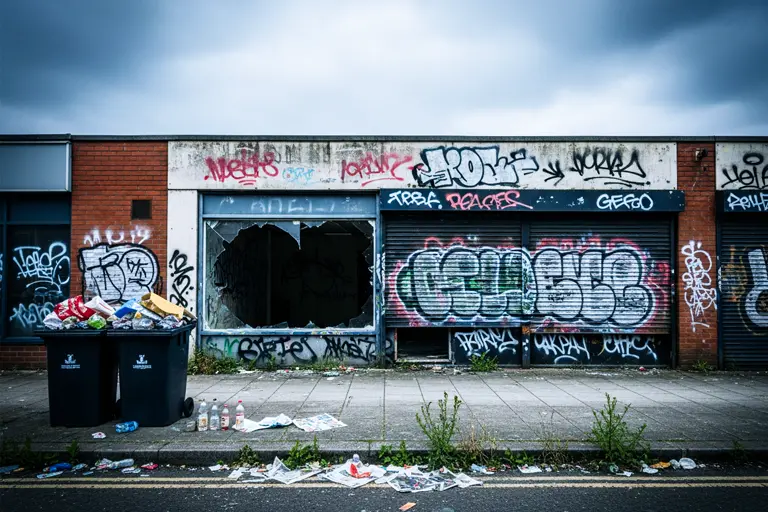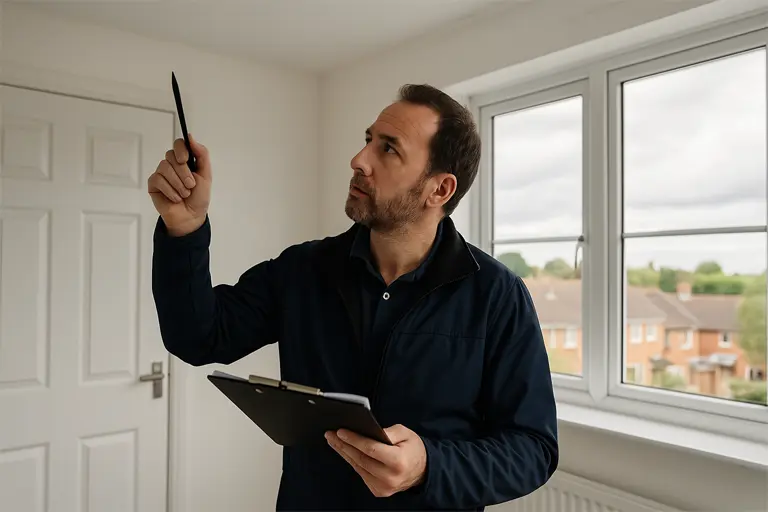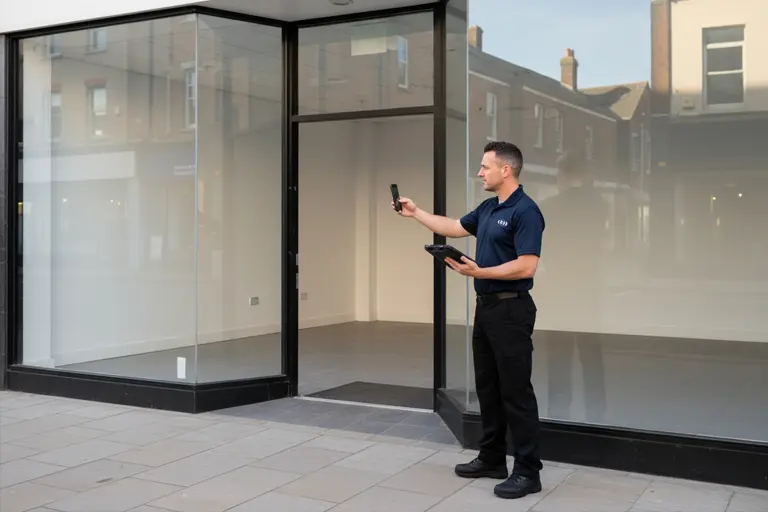
When Silence Becomes a Risk For Vacant Properties
Quiet periods are often misunderstood.
Whether it’s the days between Christmas and New Year, a planned shutdown, a project pause, or a period of low occupancy, many property owners and managers assume that reduced activity naturally means reduced risk. After all, fewer people on site must mean fewer problems, right?
In reality, the opposite is often true.
Quiet periods fundamentally change a property’s risk profile. Offices close, construction sites shut down, hotels operate with skeleton staff, and vacant or semi-occupied buildings are left largely unattended. Routine checks are delayed, response times slow, and responsibility becomes fragmented. Crucially, the assumption that “nothing will happen” replaces active oversight.
This is when risk doesn’t disappear, it moves.
Small issues that would normally be spotted and resolved quickly can go unnoticed for days or even weeks. Minor security weaknesses become opportunities. Environmental issues escalate into costly damage. Unauthorised access, theft, vandalism, and safety incidents are often only discovered when normal operations resume, by which point the impact is already significant.
From vacant commercial buildings and construction sites to hotel service areas and industrial estates, quiet periods create a unique set of vulnerabilities that experienced security professionals understand all too well.
This article explores why quiet periods are often the most dangerous time for property security, where risks commonly emerge, and how consistent, professional security measures help prevent minor issues from becoming major incidents.
How Quiet Periods Fundamentally Change a Property’s Risk Profile
Quiet periods don’t simply reduce activity, they reshape risk.
Security threats are not static. They are influenced by human behaviour, routines, visibility, and response capability. When normal patterns of use change, so too does the nature of the threats a property faces.
During quiet periods, several key shifts typically occur:
Reduced Human Presence
Fewer people on site means:
- Fewer natural deterrents
- Less informal oversight
- Fewer opportunities to notice early warning signs
What would normally be spotted in passing, a broken fence panel, a malfunctioning light, a door not closing properly, can remain unnoticed.
Skeleton Staffing and Delayed Response
Quiet periods often coincide with:
- Reduced staffing levels
- Limited management availability
- Slower decision-making processes
When issues arise, responses may be delayed or deferred with the intention of addressing them “after the break,” allowing problems to escalate.
Interrupted Routines and Inspections
Routine security measures are often relaxed or paused, including:
- Regular site inspections
- Maintenance checks
- Cleaning and waste removal
- Perimeter reviews
These routines act as early-warning systems. When they stop, small failures accumulate silently.
Assumptions Replace Controls
Perhaps the most dangerous shift is psychological.
Common assumptions include:
- “The site is closed.”
- “There’s no one around.”
- “Nothing ever happens here.”
- “We’ll deal with it in January.”
When assumptions replace active controls, vulnerabilities emerge.
Quiet Period Risk Profile vs Normal Operations
| Aspect | Normal Operations | Quiet Periods |
|---|---|---|
| Footfall | High and predictable | Low and sporadic |
| Visibility | Constant oversight | Minimal observation |
| Inspections | Regular and routine | Reduced or paused |
| Response Time | Immediate or same-day | Delayed or deferred |
| Deterrence | Natural and active | Largely absent |
| Risk Awareness | High and immediate | Reduced and assumption-led |
Quiet periods create an environment where risk is less visible but more potent, making them one of the most dangerous times for property security.
The Most Common Security Assumptions Made During Quiet Periods
Quiet periods don’t usually fail because of a single oversight. They fail because of assumptions.
When sites become less active, decision-makers often rely on logic that feels reasonable on the surface but quietly undermines security. These assumptions rarely come from negligence, they come from familiarity, routine, and a false sense of control.
Below are the most common assumptions that increase risk during quiet periods.
“The Site Is Closed, So There’s Nothing to Target”
In reality, closed sites are often more attractive.
- No staff present
- No customers or contractors
- Reduced lighting and activity
- Slower detection if something goes wrong
Closed does not mean secure, it often means unguarded.
“Nothing Ever Happens Here”
Past safety is often mistaken for future protection.
This assumption ignores the fact that:
- Opportunistic crime adapts quickly
- Patterns change when routines change
- Quiet periods create new opportunities
Many incidents occur precisely because a location is perceived as “low risk.”
“We’ll Deal With It After the Break”
This is one of the most dangerous assumptions of all.
Small issues such as:
- Minor damage
- Faulty lighting
- Loose fencing
- Water ingress
- Unsecured access points
can escalate rapidly when left unattended for days or weeks. What could have been a quick fix becomes a costly repair, or worse, an insurance claim.
“Reduced Staffing Is Fine for a Few Days”
Skeleton staffing changes the entire risk dynamic.
With fewer people available:
- Incidents take longer to spot
- Responsibility becomes unclear
- Decisions are delayed or avoided
Reduced staffing may be operationally necessary, but it must be matched with increased awareness, not reduced oversight.
“Security Can Be Relaxed Temporarily”
Security measures are often treated as flexible during quiet periods.
In practice:
- Inspections are skipped
- Patrol frequency drops
- Perimeter checks become irregular
Unfortunately, opportunistic threats don’t work to the same timetable.
Assumptions vs Reality During Quiet Periods
| Assumption | Reality |
|---|---|
| Closed sites are safer | Closed sites are less observed and more vulnerable |
| Fewer people means fewer problems | Fewer people means slower detection and response |
| Short breaks don’t matter | Small issues escalate quickly without oversight |
| Nothing ever happens here | Risk changes when routines and visibility change |
| Security can be relaxed temporarily | Opportunistic threats exploit inconsistency |
Where Security Risks Hide When Sites Are Quiet
When sites become quiet, risk rarely presents itself openly. Instead, it moves into areas that rely on routine attention, visibility, and human presence to remain secure.
These are not dramatic, high-profile locations. They are functional spaces, peripheral zones, and overlooked environments, places that only become vulnerable when attention drops.
Below are the most common areas where security risks emerge during quiet periods.
Rear Access Points and Service Areas
Rear areas are among the first places to be forgotten when operations slow down.
Common issues include:
- Poor lighting or failed exterior lights
- Fire exits left unsecured
- Waste and recycling areas becoming cluttered
- Reduced cleaning and servicing schedules
Service areas are typically designed for function, not visibility. When staff numbers reduce and routines pause, these spaces can quickly become blind spots. Full waste bins, for example, can obstruct sightlines, create concealment, and signal a lack of active management, all of which increase vulnerability.
These areas often provide direct access to buildings, making them attractive to opportunistic intruders during quiet periods.
Closed Construction Sites
Construction sites are particularly exposed during shutdowns, holidays, and weather-related pauses.
When activity stops:
- High-value machinery remains idle
- Temporary fencing may be damaged or unsecured
- Lighting is often limited or inconsistent
- Oversight is reduced or removed entirely
Unlike permanent properties, construction sites rely heavily on active controls, patrols, inspections, and visibility. When those controls are reduced, weaknesses in perimeter security become far more significant.
Broken fencing, unsecured access points, and poorly lit zones can all go unnoticed for days, creating opportunity without immediate consequence.
Vacant and Low-Occupancy Buildings
Vacant properties and low-occupancy buildings are inherently more vulnerable during quiet periods.
Risks commonly include:
- Unauthorised access
- Vandalism or anti-social behaviour
- Undetected water leaks
- Electrical faults or power failures
- Environmental damage caused by weather
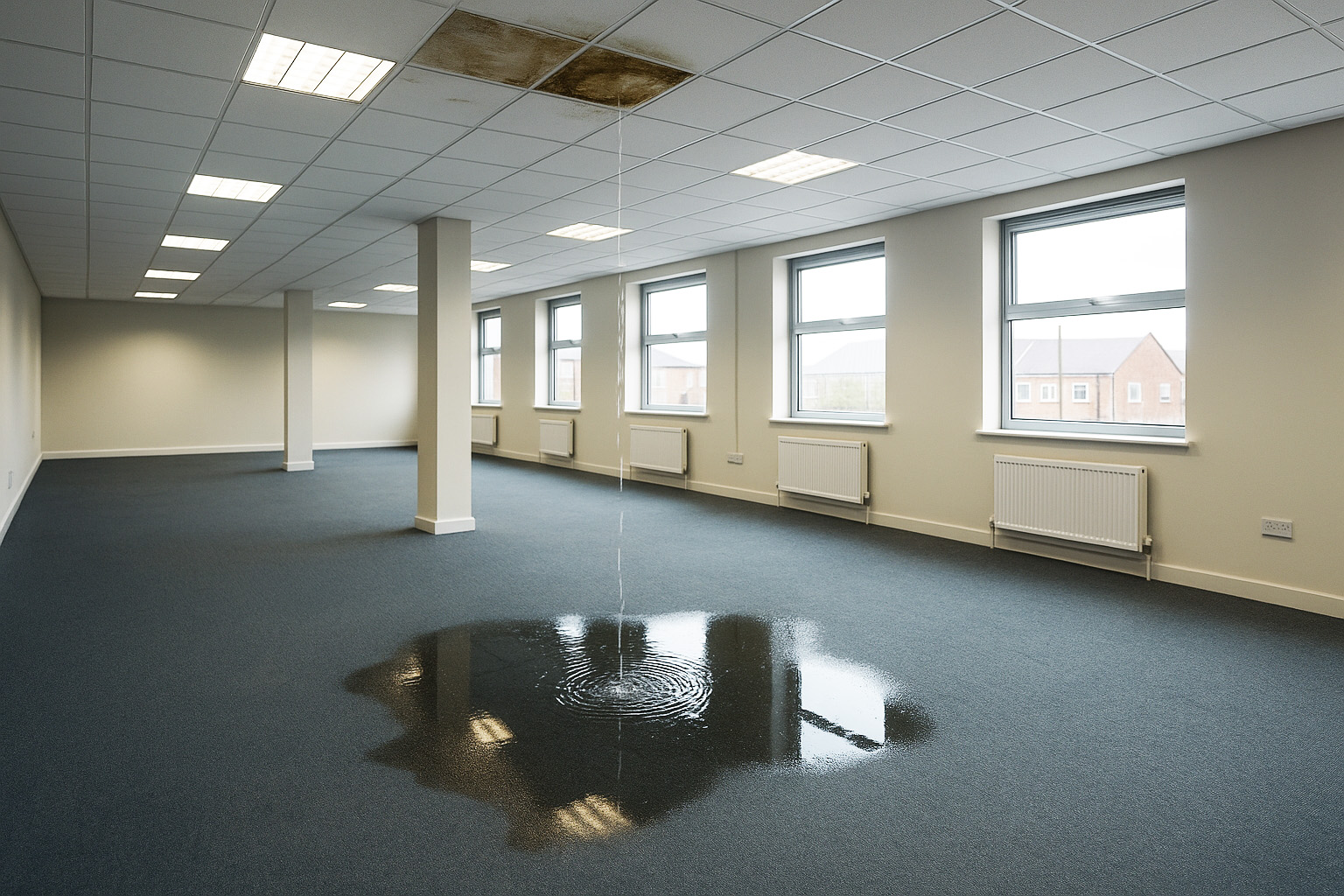
Without regular inspections, minor issues can escalate rapidly. A small leak, for example, can cause extensive internal damage if left undiscovered for several days. In many cases, the first sign of a problem is discovered weeks later, once normal occupancy resumes.
Car Parks, Perimeters, and External Grounds
External areas are often deprioritised during quiet periods, despite being critical to overall site security.
Key vulnerabilities include:
- Fencing damage or movement caused by weather
- Poorly maintained gates or barriers
- Long shadowed areas due to failed lighting
- Reduced vehicle or foot traffic
These areas form the first line of defence. When they are compromised, access to the wider site becomes significantly easier.
Infrastructure That Relies on Routine Checks
Certain risks are invisible without regular oversight.
These include:
- Alarm systems in fault condition
- CCTV cameras obstructed or misaligned
- Access control systems malfunctioning
- Fire safety equipment issues
Quiet periods often coincide with delayed maintenance responses, allowing faults to persist unnoticed.
Common Risk Zones During Quiet Periods
| Area | Typical Issue | Why It’s Often Missed |
|---|---|---|
| Rear access points | Unsecured doors or fire exits | Reduced footfall and visibility |
| Service areas | Poor lighting and waste buildup | Paused cleaning and servicing routines |
| Construction sites | Broken fencing and idle plant | No daily oversight during shutdowns |
| Vacant buildings | Undetected leaks or unauthorised access | Lack of occupants to report issues |
| External perimeters | Fence or gate damage | Low visibility and delayed inspections |
Quiet periods don’t create new risks, they expose existing ones.
The difference is that without regular presence and inspection, those risks are allowed to develop unnoticed.
Why Security Incidents Often Go Undetected Until Normal Operations Resume
One of the most damaging aspects of quiet-period vacant property security incidents is not the incident itself, it’s the delay in discovery.
During normal operations, most problems are identified quickly. Staff notice unusual activity, contractors report issues, and routine checks act as an early warning system. During quiet periods, those detection mechanisms are either weakened or removed entirely.
As a result, incidents don’t just happen, they develop.
Reduced Visibility and Fewer Eyes on Site
With fewer people present, there are simply fewer opportunities to notice that something isn’t right.
Common warning signs that go unnoticed include:
- A door or gate not closing correctly
- A light failure creating a dark zone
- Fencing damaged by weather or impact
- CCTV cameras knocked out of alignment
- Water leaks starting slowly behind closed doors
These are the kinds of issues that would normally be spotted within hours. During quiet periods, they can remain undetected for days or even weeks.
Delayed Reporting and Fragmented Responsibility
Quiet periods often blur responsibility.
When teams are operating on reduced schedules:
- No single person may feel ownership of an issue
- Reporting is delayed until “after the break”
- Escalation pathways become unclear
- Decision-making slows
What starts as a minor concern is frequently deprioritised, not because it isn’t important, but because it doesn’t feel urgent in the moment.
Escalation Through Inaction
Many security incidents worsen not because of malicious intent, but because of time.
Examples include:
- Minor water ingress becoming major internal damage
- Unauthorised access leading to repeated intrusion
- Vandalism escalating once a site is perceived as unmanaged
- Environmental damage worsening due to weather exposure
By the time normal operations resume, the issue has already progressed beyond a simple fix.
The Discovery Problem
In many cases, incidents are only discovered when:
- Staff return to site
- Occupancy increases
- Operations restart
- Clients or tenants raise concerns
At this point, the question is no longer “How do we prevent this?” but “How did this go unnoticed?”
Typical Quiet-Period Incident Timeline
| Stage | What Happens |
|---|---|
| Day 1–2 | Initial issue occurs, often minor or unnoticed |
| Day 3–7 | No detection due to reduced presence and paused routines |
| Week 2 | Escalation or repeat occurrence increases impact |
| Return to operations | Incident discovered when normal activity resumes |
| Aftermath | Repairs, investigation, insurance, and operational disruption |
Quiet-period incidents are rarely sudden shocks.
They are slow-building problems that thrive in silence.
Review Your Quiet Vacant Property Period Risk
Identify vulnerabilities before they turn into incidents
Quiet periods change how risk behaves. A simple review of inspections, access points, lighting, and responsibility during low-activity periods can reveal gaps that often go unnoticed. Taking time to assess your quiet-period risk now can prevent disruption, damage, and avoidable costs later.
The Role of Consistent Vacant Property Security During Quiet Periods
When activity slows, the instinct for many organisations is to scale security back. Fewer people on site can feel like justification for fewer checks, fewer patrols, and fewer controls.
In practice, the opposite approach is often required.
Quiet periods demand consistency, not intensity. The goal is not to introduce dramatic or disruptive measures, but to ensure that fundamental security routines continue uninterrupted, even when everything else pauses.
Consistency as a Deterrent
Security works best when it is predictable in presence and unpredictable in timing.
Regular inspections, visible patrols, and routine perimeter checks send a clear signal:
this site is still being actively managed.
During quiet periods, this consistency becomes even more important. Opportunistic threats are highly sensitive to signs of neglect. A site that continues to show evidence of oversight, even at a reduced operational level, is far less attractive than one that appears forgotten.
Early Intervention Prevents Escalation
Consistent security provides one crucial advantage: early detection.
When inspections continue:
- Minor damage is identified before it worsens
- Environmental issues are addressed quickly
- Access issues are corrected before they are exploited
- Safety concerns are dealt with before becoming incidents
This approach shifts security from reactive response to preventative control.
Maintaining Routine When Others Pause
Quiet periods disrupt normal routines across most departments. Security should not be one of them.
Consistent security means:
- Inspections happen even when buildings are closed
- Perimeters are checked regardless of occupancy
- Rear areas and service zones remain monitored
- Documentation and reporting continue as normal
These actions don’t rely on volume or visibility; they rely on discipline.
Consistency vs Reaction
| Approach | Reactive Security | Consistent Security |
|---|---|---|
| Timing | After an incident has occurred | Before issues escalate |
| Focus | Damage control and response | Risk prevention and early intervention |
| Cost Impact | Often higher due to escalation | Typically lower through prevention |
| Operational Disruption | Significant and unplanned | Minimal and controlled |
| Visibility | Only apparent after failure | Continuous and reassuring |
Security as a Continuous Responsibility
Professional security recognises that risk does not operate on a calendar.
Quiet periods are not an exception to normal security requirements; they are a test of them.
Consistency during these times is what prevents minor issues from becoming major problems and ensures that when normal operations resume, sites are returned safely, securely, and without unpleasant surprises.
What Experienced Security Professionals Look for During Quiet Periods
Quiet periods change what experienced security professionals focus on.
When sites are busy, risk is often visible, people, vehicles, deliveries, contractors, and activity create obvious points of attention. During quiet periods, those signals disappear. What remains are subtler indicators that require training, experience, and patience to recognise.
This is where professional security adds real value.
Changes, Not Just Threats
Experienced security professionals are trained to look for change, not just obvious incidents.
During quiet periods, this includes:
- Lighting that is working inconsistently
- Doors or gates behaving differently than usual
- New gaps in fencing or perimeter lines
- Items that have been moved or disturbed
- Areas that appear increasingly neglected
These small deviations often indicate the early stages of a larger problem.
Environmental and Weather-Related Risks
Quiet periods frequently coincide with adverse weather conditions, particularly during winter months.
Security professionals actively monitor:
- Water ingress following heavy rain or snow
- Ice or weather damage affecting access points
- Wind damage to fencing, signage, or temporary structures
- Debris obstructing exits or service areas
Environmental risks are often overlooked because they don’t immediately appear as “security issues,” yet they can cause some of the costliest damage if left unchecked.
Behavioural Signals of Opportunity
Even when no one is present, sites communicate signals.
Professionals assess:
- Whether a site appears actively managed or neglected
- Whether waste is being cleared regularly
- Whether lighting patterns suggest oversight
- Whether access points are consistently secured
Opportunistic intruders are highly sensitive to these signals. Experienced security teams understand that perception alone can determine whether a site is targeted.
Systems That Rely on Human Oversight
Technology is an important tool, but it is not self-managing.
During quiet periods, security professionals pay close attention to:
- CCTV cameras that may have been knocked out of alignment
- Alarm systems displaying fault indicators
- Access control systems behaving unpredictably
- Areas where automated systems are relied upon too heavily
Technology supports security, it does not replace presence and observation.
The Professional Mindset
Above all, experienced security professionals understand one key principle:
Quiet periods are when complacency causes the most damage.
They don’t wait for incidents.
They don’t assume silence equals safety.
They look for what others overlook.
How to Reduce Vacant Property Security Risk During Quiet Periods
Reducing security risk during quiet periods doesn’t require extreme measures or major disruption. In most cases, it comes down to maintaining fundamental controls and ensuring responsibility doesn’t fade when activity slows.
The most effective approach is proactive, structured, and consistent.
Maintain Routine Inspections
Routine inspections are one of the most effective preventative tools available.
During quiet periods:
- Inspections should continue on a scheduled basis
- External areas should be prioritised
- Rear access points and service zones should never be overlooked
- Findings should be documented, even when no issues are found
Regular inspection alone is often enough to deter opportunistic activity.
Secure Perimeters and Access Points
Quiet periods expose weaknesses in perimeter security.
Key actions include:
- Checking fencing for damage caused by weather or impact
- Ensuring gates and barriers close and lock correctly
- Confirming fire exits are secure but compliant
- Reviewing temporary access points on construction sites
Even small gaps can significantly increase risk when a site appears inactive.
Review Lighting and Visibility
Lighting plays both a practical and psychological role in security.
Ensure:
- External lighting is fully operational
- Dark zones are identified and addressed
- Timers and sensors are working as intended
- Temporary lighting on construction sites remains effective
Poor lighting signals neglect and creates concealment opportunities.
Manage Waste and Service Areas
Overflowing waste and neglected service areas are common quiet-period indicators of reduced oversight.
Good practice includes:
- Maintaining waste removal schedules
- Keeping service areas clear and visible
- Avoiding obstructions near access points
- Ensuring bins do not create hiding places or block sightlines
These areas are often the first to reveal lapses in site management.
Maintain Clear Responsibility
Quiet periods often blur accountability.
To reduce risk:
- Assign clear responsibility for security oversight
- Confirm escalation routes remain active
- Ensure contact details are up to date
- Avoid assumptions that “someone else is covering it”
Security gaps often appear where ownership is unclear.
Quiet Period Security Checklist
| Area | Recommended Action |
|---|---|
| Inspections | Maintain routine checks and document findings |
| Perimeter security | Inspect fencing, gates, and barriers for damage |
| Lighting | Eliminate dark zones and confirm lights are operational |
| Access points | Secure all doors, fire exits, and temporary access points |
| Service areas | Prevent waste buildup and maintain clear sightlines |
| Responsibility | Assign clear ownership and escalation routes |
Quiet periods are safest when they are treated as business as usual from a security perspective, even when everything else slows down.
Make Vacant Property Security Consistent, Not Seasonal
Because risk doesn’t pause when operations slow
Effective property security isn’t about reacting to incidents — it’s about maintaining consistency when attention drops. Ensuring the same level of oversight during shutdowns, holidays, and low-occupancy periods helps keep sites protected and operations uninterrupted when activity resumes.
Why Quiet Periods Test Security, Not Reduce the Need for It
Quiet periods have a way of exposing the true strength of a property’s security measures.
When sites are busy, risk is often visible and immediate. Problems are noticed quickly, decisions are made faster, and responsibility is clearly defined. When activity slows, those natural safeguards disappear. What remains is the quality of the systems, routines, and discipline that sit behind them.
This is why quiet periods do not reduce the need for security, they test it.
A well-secured site continues to function safely regardless of occupancy levels. Inspections still take place. Perimeters remain secure. Lighting continues to deter. Issues are identified early and addressed before they escalate. Security becomes less about reaction and more about prevention.
Conversely, sites that rely heavily on visibility, footfall, or assumption often discover weaknesses only when normal operations resume. By that point, minor issues have grown into costly incidents, investigations are complicated by time, and disruption becomes unavoidable.
The most damaging security incidents rarely begin with dramatic events. They start quietly, with a missed inspection, an unsecured access point, a delayed response, or an assumption that nothing will happen.
Quiet periods amplify the consequences of these oversights.
Effective property security is not seasonal, situational, or reactive. It is consistent, deliberate, and continuous. It recognises that risk does not operate on a calendar and that responsibility does not pause simply because activity slows.
In property security, silence should never be mistaken for safety.
More crime statistics can be found here: UK Crime Statistics
Frequently Asked Questions for Vacant Prtoperty Security
Why are quiet periods more dangerous for property security?
Quiet periods reduce visibility, staffing, and routine oversight. This creates conditions where small security issues go unnoticed and escalate into larger incidents before they are discovered.
What is considered a “quiet period” in property security?
A quiet period is any time when normal activity is reduced, such as holiday shutdowns, weekends, planned closures, low-occupancy periods, or pauses in construction and operations.
Are vacant properties more at risk during quiet periods?
Yes. Vacant and low-occupancy properties are especially vulnerable because there are fewer people to notice unauthorised access, environmental damage, or system failures.
Why do many security incidents go unnoticed until January?
During holiday periods, inspections are reduced, reporting is delayed, and responsibility can become unclear. Issues often remain undiscovered until staff return and normal operations resume.
Do construction sites need security when no work is taking place?
Yes. Closed construction sites still contain valuable equipment and materials and often rely on temporary fencing and lighting, which require ongoing monitoring to remain effective.
Are rear access points really a security risk?
Rear access points and service areas are common blind spots. They are often poorly lit, less visible, and more likely to be neglected during quiet periods, making them attractive to opportunistic intruders.
Does reduced staffing automatically increase security risk?
Reduced staffing changes the risk profile. Without compensating measures such as routine inspections or patrols, detection and response times are significantly delayed.
Can security be temporarily relaxed during shutdowns?
Relaxing security during quiet periods increases vulnerability. Opportunistic threats often exploit inconsistency, especially when sites appear unmanaged or neglected.
What types of incidents are common during quiet periods?
Common incidents include unauthorised access, vandalism, theft, environmental damage, water leaks, power failures, and safety hazards that escalate due to delayed detection.
How does consistent security prevent escalation?
Consistent security identifies issues early, maintains deterrence, and prevents minor problems from developing into costly incidents through regular inspection and oversight.
Is technology alone enough to protect sites during quiet periods?
No. While CCTV, alarms, and access control systems are valuable, they still require human oversight to identify faults, changes, and vulnerabilities that technology alone may miss.
What should property managers focus on during quiet periods?
Property managers should prioritise inspections, perimeter security, lighting, access control, service areas, and clear accountability for security oversight.
Are quiet periods only a seasonal risk?
No. Quiet periods can occur at any time due to project pauses, tenant turnover, low occupancy, or operational changes. The risks are not limited to holidays.
How quickly can minor issues escalate during quiet periods?
Minor issues can escalate within days if left unchecked, particularly environmental damage or repeated unauthorised access. Delay is one of the biggest contributors to cost and disruption.
What is the most effective way to reduce quiet-period security risk?
The most effective approach is maintaining consistent security routines. Treat quiet periods as business as usual from a security perspective, rather than a time to reduce oversight.