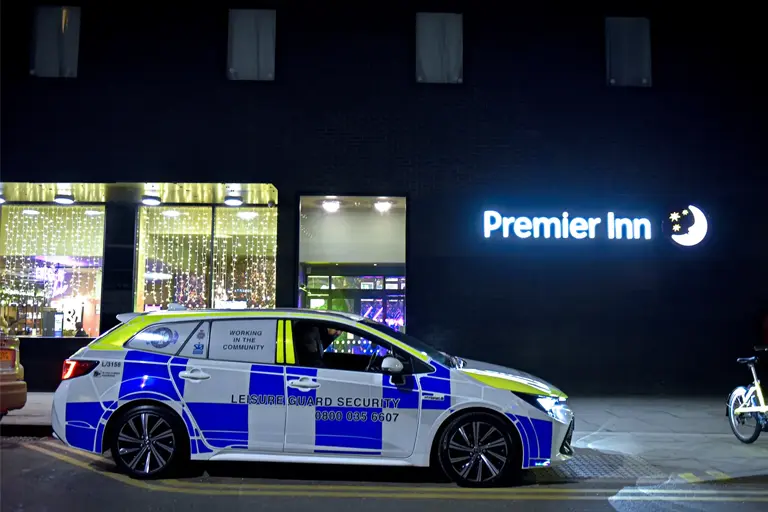
Why Nottingham Hotels Require a Different Concierge Security Approach
Balancing atmosphere, behaviour, and control in a lifestyle-led city
Hotels in Bristol operate in one of the UK’s most mixed-use hospitality environments. This is a city where business travel, creative industries, cultural tourism, and a strong night-time economy overlap, often within the same building, on the same day.
That makes front-of-house security in Bristol fundamentally different.
Here, the challenge is not consistency or routine. It’s protecting atmosphere while maintaining control.
A City Where Hotels Are Social Spaces
Many Bristol hotels are not just places to sleep. They are:
- Social meeting points
- Bar and restaurant destinations
- Informal workspaces
- Event and creative hubs
Lobbies are often busy, fluid environments where:
- Guests, visitors, and non-residents mix
- Activity increases naturally as the day progresses
- The line between “hotel guest” and “public space” can blur
Concierge security in Bristol must therefore manage behaviour without suppressing energy.
Atmosphere Is Part of the Product
In Bristol, atmosphere sells rooms.
Hotels actively cultivate:
- Relaxed, creative environments
- Open, welcoming front-of-house spaces
- Lobbies that feel informal rather than controlled
Overt or reactive security can quickly undermine this. Guests don’t want to feel policed, but they do want to feel safe, comfortable, and reassured.
Concierge security works precisely because it:
- Blends into the environment
- Intervenes early and quietly
- Preserves the feel of the space
Behaviour Shifts Throughout the Day
Unlike routine-led cities, Bristol hotels experience behavioural transitions, not just volume changes.
A typical day might include:
- Business guests working in lobby spaces
- Afternoon meetings and casual visitors
- Evening social drinking and dining
- Late-night returns from the city
Each phase requires a different tone. Concierge security adapts to these shifts without changing visibility or approach.
Control Without Killing the Vibe
The core challenge for Bristol hotels is this:
How do you maintain boundaries without changing the mood?
Concierge security answers that by:
- Managing access through presence, not barriers
- Addressing behaviour early, before it escalates
- Supporting reception discreetly during tone changes
- Keeping front-of-house environments calm but lively
Security becomes part of the experience, not a reaction to problems.
Designed for Creative, Mixed-Use Environments
Bristol’s hospitality scene is closely tied to:
- Creative industries
- Tech and media businesses
- Cultural events and tourism
Guests expect:
- Informality, not rigidity
- Polite guidance, not enforcement
- Calm intervention, not confrontation
Concierge security aligns with these expectations by focusing on judgement, timing, and discretion.
For Bristol hotels, the right concierge security approach:
- Protects atmosphere as much as safety
- Manages behavioural transitions throughout the day
- Supports reception during social and busy periods
- Maintains control without visible enforcement
Concierge security reflects how Bristol hotels operate, open, social, creative, and constantly in motion.
How Bristol’s Lifestyle & Night-Time Economy Shapes Hotel Operations
Managing behavioural transitions without disrupting the guest experience
Hotels in Bristol operate in a city where daytime professionalism blends into evening sociability. Unlike routine-led or conference-heavy locations, Bristol’s hospitality landscape is shaped by a steady shift in tone as the day progresses, often within the same front-of-house space.
For hotel operators, the challenge is not volume alone. It’s managing behavioural change while preserving atmosphere.
From Daytime Utility to Evening Social Space
A typical Bristol hotel lobby can transition through several roles in one day:
- Morning: informal workspaces and meetings
- Afternoon: arrivals, casual visitors, bar traffic
- Evening: dining, socialising, and pre-night-out energy
- Late night: guest returns and residual bar activity
Each phase brings different expectations, behaviours, and pressure points, often without a clear handover moment.
Open Spaces Increase Operational Complexity
Many Bristol hotels are designed to feel:
- Open and welcoming
- Social rather than segmented
- Integrated with bars, cafés, and restaurants
While this enhances guest experience, it also:
- Blurs boundaries between guests and non-residents
- Makes access control more subtle
- Increases reliance on judgement rather than barriers
Concierge security becomes essential here, providing soft control that doesn’t compromise design intent.
Behavioural Transitions Are Predictable, and Preventable
Evening challenges in Bristol hotels are rarely sudden. They build gradually:
- Groups arriving for drinks before heading out
- Non-residents drifting into lobby spaces
- Rising noise levels as alcohol is introduced
- Informal gatherings expanding beyond intended areas
Left unmanaged, these transitions can affect:
- Resident guest comfort
- Reception efficiency
- Staff confidence
Concierge security supports early engagement, addressing small shifts before they become noticeable issues.
Supporting Reception During Tone Changes
Reception teams are often the first to feel the impact of these transitions, juggling:
- Check-ins and enquiries
- Directional questions
- Access conversations
- Social behaviour management
Concierge security works alongside reception to:
- Absorb low-level social management
- Reinforce boundaries calmly
- Allow reception to remain service-focused
This prevents front-of-house teams from being pulled into awkward or visible interventions.
Typical Evening Pressure Points in Bristol Hotels
| Time Window | Common Activity | Front-of-House Risk |
|---|---|---|
| Late Afternoon | Bar and café traffic increases | Congestion around reception |
| Early Evening | Social gatherings form | Noise and space creep |
| Late Evening | Guest returns from city venues | Disruption to resident guests |
| Night | Residual bar activity | Boundary enforcement challenges |
Control Through Presence, Not Enforcement
In Bristol, visible enforcement can quickly undermine the relaxed tone hotels work hard to create. Concierge security instead focuses on:
- Polite, early engagement
- Clear but relaxed boundary setting
- Presence that signals oversight without authority
Guests remain comfortable, and behaviour is guided rather than confronted.
Bristol’s lifestyle and night-time economy shapes hotel operations by:
- Creating gradual behavioural shifts
- Increasing pressure on open, social spaces
- Requiring early, discreet management
Concierge security supports these realities by maintaining control while preserving atmosphere, a critical balance in Bristol’s hospitality scene.
Why Traditional Hotel Security Models Struggle in Bristol’s Social Environments
When enforcement disrupts atmosphere instead of protecting it
In Bristol, the shortcomings of traditional hotel security are rarely about capability. They’re about context. Enforcement-led, reactive security models were designed for clear-cut incidents and defined boundaries. Bristol’s hotels, by contrast, operate in open, social, mixed-use environments where tone and timing matter as much as authority.
Reactive Security Appears at the Wrong Moment
Traditional hotel security is often introduced after a situation has already become visible:
- A social group has grown too loud
- Non-residents have settled into lobby areas
- A disagreement at reception has drawn attention
By this point, the intervention itself becomes the most noticeable event in the space. In Bristol hotels, where atmosphere is part of the product, this sudden shift in tone can feel jarring to guests.
High Visibility Changes the Mood
Bristol hotels work hard to create relaxed, welcoming environments. Heavy-handed or highly visible security can:
- Signal that something is “wrong”
- Make casual social behaviour feel policed
- Undermine the informal tone guests expect
Even when handled professionally, visible enforcement can interrupt the flow of a space that is designed to feel open and social.
Rigid Enforcement Doesn’t Fit Fluid Spaces
Many Bristol hotels feature:
- Integrated bars and restaurants
- Open-plan receptions
- Shared seating and social areas
In these environments, behaviour exists on a spectrum. Traditional security models, built around clear rules and escalation, struggle to manage:
- Gradual increases in noise
- Informal gatherings that expand over time
- Blurred lines between guests and visitors
What’s needed is judgement, not escalation.
Reception Teams Carry Too Much Responsibility
When security is positioned as a last resort, reception staff are left to:
- Manage social behaviour
- Enforce boundaries politely
- Decide when to escalate
This places them in difficult positions, particularly during evening transitions when the tone of the space is changing. The result is often delayed intervention, making eventual security involvement more visible and disruptive.
Small Social Friction Becomes a Public Incident
In Bristol hotels, most front-of-house issues start small:
- A group lingering longer than intended
- Guests returning late with elevated energy
- Visitors assuming lobby access is unrestricted
Without early, discreet engagement, these moments can escalate, not because they’re serious, but because they’re allowed to reach a public tipping point.
Why This Model Feels Out of Place in Bristol
Traditional security struggles in Bristol because it:
- Prioritises reaction over prevention
- Introduces authority where subtlety is needed
- Disrupts carefully cultivated atmosphere
- Reacts to behaviour rather than guiding it
The problem isn’t enforcement, it’s misalignment with how Bristol hotels function socially.
For Bristol hotels, traditional security models often:
- Appear too late
- Change the tone of social spaces
- Draw attention to manageable situations
- Place undue pressure on reception teams
This is why many Bristol hotels are moving towards concierge security, a model designed to manage behaviour early, quietly, and proportionately, without compromising the experience guests come for.
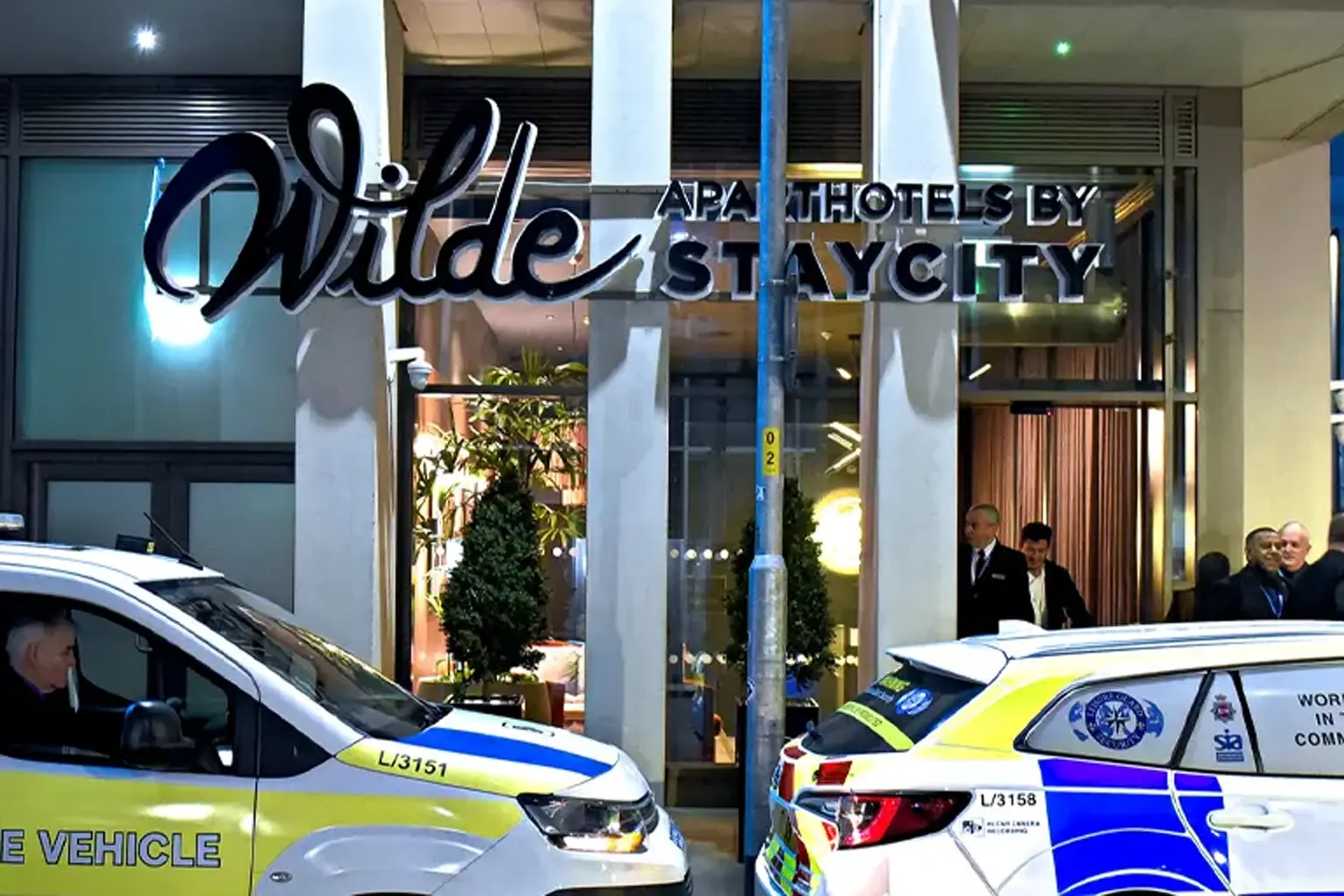
Concierge Security as a Tool for Managing Atmosphere, Not Just Risk
Preserving energy while maintaining control in Bristol hotels
In Bristol, the role of concierge security extends beyond safety and risk management. It is fundamentally about protecting atmosphere. Bristol hotels succeed because they feel social, creative, and relaxed, yet those qualities only work when there is subtle, consistent control beneath the surface.
Concierge security provides that control without changing the mood of the space.
Presence That Blends into the Environment
Concierge security officers in Bristol are positioned to feel like part of the front-of-house team rather than an external authority. This means:
- Smart, professional presentation aligned with the hotel brand
- Calm body language rather than overt supervision
- Natural interaction with guests and staff
Guests perceive reassurance without feeling watched, and behaviour is shaped quietly through presence alone.
Managing Behaviour Early and Proportionately
In Bristol’s social hotel environments, timing matters more than force. Concierge security focuses on:
- Early, polite engagement
- Quiet redirection before behaviour escalates
- Gentle boundary-setting that feels conversational
This prevents the need for visible enforcement later, preserving the relaxed tone guests expect.
Supporting Reception During Social Peaks
As lobbies transition from daytime utility to evening social spaces, reception teams often face competing pressures:
- Check-ins alongside bar traffic
- Guests returning with elevated energy
- Visitors assuming open access
Concierge security absorbs this pressure by:
- Managing informal gatherings
- Supporting access conversations
- Allowing reception to remain service-focused
This collaboration keeps front-of-house operations smooth even during tone shifts.
Maintaining Comfort for Resident Guests
While social energy is part of Bristol’s appeal, resident guests still expect:
- Comfortable public spaces
- Reasonable noise levels
- Clear boundaries around access
Concierge security balances these needs by:
- Monitoring how energy levels affect resident comfort
- Intervening discreetly when behaviour begins to impact others
- Ensuring social activity remains appropriate for a hotel environment
Atmosphere Management in Practice
| Scenario | Traditional Security Outcome | Concierge Security Approach |
|---|---|---|
| Social group expands in lobby | Late, visible intervention | Early redirection without attention |
| Noise levels increase gradually | Complaint-driven response | Proactive tone management |
| Non-residents linger | Abrupt access challenge | Polite clarification and guidance |
Why This Matters in Bristol
Bristol hotels thrive on:
- Energy without excess
- Social spaces without chaos
- Informality without loss of control
Concierge security is uniquely suited to maintaining this balance, guiding behaviour rather than reacting to it.
In Bristol’s lifestyle-led hotel market, concierge security:
- Protects atmosphere as a core asset
- Manages behaviour early and discreetly
- Supports reception during social transitions
- Maintains guest comfort without visible enforcement
It’s not about adding security, it’s about preserving the experience.
Concierge Security That Fits Bristol’s Lifestyle Hotels
Control that blends into the guest experience
From destination bars to open-plan lobbies, Bristol hotels need front-of-house security that understands social spaces. Concierge security provides calm oversight, early engagement, and discreet support — keeping hotels welcoming while maintaining clear boundaries.
Get in touch to discuss a concierge security approach tailored to your hotel’s layout, guest mix, and evening dynamics in Bristol.
Which Bristol Hotels Benefit Most from Concierge Security
Where atmosphere, access, and behaviour need careful balance
Concierge security delivers the greatest value in Bristol hotels that operate as social, mixed-use spaces. These properties attract guests, visitors, and locals simultaneously, often across long opening hours, so the challenge isn’t stopping activity, it’s shaping it.
Below are the Bristol hotel types that typically see the strongest operational and guest-experience gains from a concierge-led approach.
Lifestyle & Boutique Hotels
Lifestyle and boutique hotels thrive on:
- Informal, welcoming lobbies
- Integrated bars and cafés
- Social seating and shared spaces
Concierge security supports these environments by:
- Managing access without visible barriers
- Guiding behaviour early and politely
- Protecting atmosphere while reinforcing boundaries
The result is a lobby that feels lively, not unmanaged.
Hotels with Destination Bars & Restaurants
Properties where bars or restaurants draw non-residents face:
- Increased evening footfall
- Blurred guest / visitor boundaries
- Rising noise and congestion during peaks
Concierge security adds value by:
- Clarifying access calmly
- Redirecting traffic before crowding builds
- Supporting reception during busy transitions
This keeps resident guests comfortable without discouraging social use.
City-Centre & Harbourside Hotels
Bristol’s central and harbourside hotels often experience:
- High casual foot traffic
- Guests returning late from city venues
- Social energy carrying into shared spaces
Concierge security helps by:
- Monitoring tone shifts through the evening
- Intervening discreetly when behaviour begins to impact others
- Maintaining calm during late-night returns
Hotels Hosting Events, Creative Meet-Ups & Informal Functions
Hotels used for launches, talks, or creative events benefit from:
- A visible but non-authoritative presence
- Support during arrivals and dispersal
- Calm management of post-event socialising
Concierge security ensures events enhance reputation rather than create disruption.
Mixed-Use Hotels with Open-Plan Front of House
Open-plan layouts increase reliance on:
- Soft control
- Judgement-based intervention
- Early engagement
Concierge security fits these spaces by shaping flow and behaviour without interrupting design intent.
Where Concierge Security Adds the Most Value in Bristol
| Hotel Type | Typical Challenge | Concierge Security Benefit |
|---|---|---|
| Lifestyle & Boutique | Protecting vibe while setting boundaries | Early, discreet behaviour guidance |
| Bar & Restaurant-Led Hotels | Non-resident access and crowding | Polite access control without enforcement |
| City-Centre / Harbourside | Late-night returns and social spillover | Tone management through presence |
| Event-Hosting Hotels | Pre- and post-event transitions | Smooth arrivals and calm dispersal |
| Open-Plan Properties | Flow and boundary clarity | Soft control aligned with design |
Bristol hotels benefit most from concierge security when they:
- Operate as social or mixed-use spaces
- Rely on atmosphere as part of the brand
- Experience evening behavioural transitions
- Need boundaries without visible enforcement
Concierge security enables these hotels to stay welcoming while staying in control.
Guest Expectations in Bristol’s Lifestyle Hotels
How security quietly shapes perception, comfort, and experience
Guests staying in Bristol hotels arrive with a different mindset to those in purely business-led or routine-driven cities. Many choose Bristol precisely because of its creative energy, relaxed social scene, and informal hospitality style. They expect hotels to reflect that character, open, welcoming, and human, while still feeling safe, organised, and professionally run.
This creates a delicate balance:
guests want atmosphere, but they also want assurance.
Guests Expect Hotels to Feel Social, Not Chaotic
In Bristol, guests are generally comfortable with:
- Lively lobbies
- Social bar areas
- Informal use of shared spaces
What they do not expect is:
- Unclear boundaries
- Noise spilling into guest areas
- Social behaviour that feels unmanaged
Concierge security supports this balance by guiding behaviour subtly, ensuring spaces feel active but never out of control.
Comfort Is Measured by What Doesn’t Happen
Bristol guests often judge their stay not by standout moments, but by:
- Whether sleep is disturbed
- Whether shared spaces feel welcoming
- Whether staff appear calm and in control
When issues are handled early and quietly, guests remain unaware they were ever potential problems. Concierge security plays a critical role in keeping disruptions invisible.
Lifestyle Guests Read the Room Quickly
Guests in Bristol’s lifestyle hotels are highly perceptive. They notice:
- Changes in tone as the evening progresses
- How staff respond to social behaviour
- Whether boundaries are applied confidently
A visible or abrupt security response can quickly change the mood. Concierge security avoids this by remaining present but understated, reinforcing confidence without interrupting the experience.
Shared Spaces Are Central to the Stay
In many Bristol hotels, the lobby or bar is not just a transitional area, it’s part of the destination. Guests may:
- Work informally during the day
- Meet friends or colleagues in the evening
- Socialise before heading out
Concierge security helps protect these spaces by:
- Monitoring crowd density and noise levels
- Managing non-resident access politely
- Supporting staff during peak social periods
This ensures shared spaces remain enjoyable for everyone.
Resident Guests Still Expect Retreat
Even in social hotels, resident guests expect:
- A sense of retreat when they need it
- Clear separation between social and private areas
- Reassurance that behaviour is being managed
Concierge security helps preserve this by:
- Redirecting activity away from guest corridors
- Intervening discreetly when energy levels rise
- Maintaining a visible sense of order without authority
How Security Influences Guest Perception in Bristol
Why This Matters for Bristol Hotels
Bristol hotels succeed when guests feel:
- Free to enjoy social spaces
- Confident that behaviour is under control
- Comfortable that staff are supported
Concierge security strengthens this perception by protecting atmosphere rather than policing it.
Guest expectations in Bristol’s lifestyle hotels centre on:
- Social energy without disruption
- Informality with reassurance
- Calm, confident front-of-house environments
Concierge security delivers this by shaping behaviour quietly and consistently, ensuring the experience feels natural, relaxed, and well managed.
Managing Social Behaviour, Non-Residents, and Evening Transitions in Bristol Hotels
Maintaining boundaries as energy rises
In Bristol, front-of-house pressure rarely arrives suddenly. It builds gradually as the evening progresses, shaped by social behaviour, alcohol consumption, and the city’s vibrant night-time economy. For hotels operating open, welcoming spaces, the challenge is not stopping this energy, it’s guiding it.
Concierge security plays a critical role during these transitions, ensuring boundaries are clear without becoming confrontational.
The Non-Resident Factor
Bristol hotels with bars, restaurants, or social lobbies naturally attract:
- Friends meeting before heading out
- Local visitors using hotel spaces casually
- Event-related foot traffic
While this adds vibrancy, it also introduces risk if left unmanaged. Concierge security helps by:
- Politely clarifying guest-only areas
- Monitoring how long non-residents remain
- Redirecting groups before spaces become congested
These interactions are handled conversationally, preserving the hotel’s welcoming tone.
Managing Behaviour Without Escalation
As evening energy increases, behaviour shifts can include:
- Rising noise levels
- Larger informal groups forming
- Guests returning late with elevated energy
Concierge security focuses on early, proportionate engagement, addressing behaviour while it is still easy to guide:
- Friendly reminders before noise becomes disruptive
- Subtle presence that discourages excess
- Quiet redirection rather than confrontation
This avoids the need for visible enforcement later in the evening.
Supporting Reception During Peak Transitions
Reception teams in Bristol hotels often manage:
- Late check-ins
- Guest enquiries
- Social behaviour simultaneously
Concierge security absorbs pressure by:
- Managing informal conversations in public spaces
- Acting as a visible point of reassurance
- Allowing reception to remain focused on service
This collaboration prevents front-of-house staff from being placed in uncomfortable or high-visibility situations.
Late-Night Returns: Calm Matters Most
Late-night guest returns are common in Bristol, particularly on weekends. Concierge security supports these moments by:
- Maintaining a calm, reassuring presence
- Monitoring noise and movement through shared spaces
- Intervening discreetly when behaviour risks disturbing others
Handled well, these moments pass unnoticed. Handled poorly, they shape guest reviews.
Common Evening Transition Challenges in Bristol Hotels
| Scenario | Potential Risk | Concierge Security Response |
|---|---|---|
| Lobby bar fills quickly | Congestion, noise creep | Early flow management |
| Non-residents linger late | Boundary confusion | Polite clarification and redirection |
| Guests return late-night | Disturbance to residents | Quiet reassurance and oversight |
Why This Approach Works in Bristol
Bristol hotels need to:
- Welcome social use without losing control
- Maintain guest comfort without killing atmosphere
- Support staff during long evening transitions
Concierge security succeeds because it guides behaviour early and quietly, preventing the need for visible enforcement that would disrupt the experience.
Managing social behaviour in Bristol hotels requires:
- Early engagement rather than reaction
- Clear but polite boundaries
- Support for reception during peak social hours
- Security that blends into the environment
Concierge security provides the balance Bristol hotels need, control without confrontation.
Protect the Atmosphere Without Losing Control
Concierge security designed for Bristol’s social hotel environments
If your hotel operates open, social front-of-house spaces, managing behaviour without changing the mood is critical. Concierge security supports reception teams, manages evening transitions, and protects guest comfort — all without disrupting the atmosphere your hotel is known for.
We offer a no-obligation conversation to review how concierge security could support your Bristol hotel’s front-of-house operations.
Choosing the Right Concierge Security Partner in Bristol
Judgement, discretion, and hospitality-first delivery
Selecting a concierge security partner in Bristol is about finding a provider that understands atmosphere as an operational asset. Bristol hotels succeed because they feel open, social, and creative, so the right partner must protect those qualities while maintaining clear control.
Prioritise Judgement Over Visibility
In Bristol’s lifestyle-led hotels, success depends on when and how security engages. Look for partners who:
- Intervene early and proportionately
- Read the room before stepping in
- Resolve issues quietly without drawing attention
This judgement-led approach prevents minor behavioural shifts from becoming visible incidents.
Hospitality-First Training Is Essential
Concierge security officers must be trained to operate in guest-facing, social environments. Effective partners invest in training that covers:
- Guest communication and tone management
- De-escalation in open, social spaces
- Working collaboratively with reception and F&B teams
- Managing alcohol-influenced behaviour calmly
This ensures officers enhance the guest experience rather than interrupt it.
Consistency Builds Trust in Social Spaces
Hotels benefit from providers who can offer:
- Consistent officer assignments
- Familiar faces across peak periods
- Stable working relationships with front-of-house teams
Consistency builds trust with staff and reassures guests, especially in social environments where tone matters.
Integration With Front-of-House Operations
Concierge security should function within daily hotel routines. Strong partners:
- Align with duty manager expectations
- Support reception during social transitions
- Adapt coverage to evening peaks and weekends
- Participate in briefings and reviews
This integration ensures security remains relevant as the environment shifts throughout the day.
Management Oversight & Accountability
In lifestyle hotels, quality depends on oversight. Expect:
- Regular site visits and performance reviews
- Clear escalation pathways
- Responsive adjustments to staffing or hours
- Feedback loops that protect atmosphere and standards
Providers who manage actively deliver better outcomes than those who simply supply staff.
What Bristol Hotels Should Look For
| Selection Criteria | Why It Matters in Bristol |
|---|---|
| Judgement-Led Engagement | Preserves atmosphere in social spaces |
| Hospitality-Focused Training | Aligns security with guest experience |
| Officer Consistency | Builds trust during social transitions |
| Operational Integration | Supports reception during evening peaks |
| Active Management Oversight | Maintains standards as tone shifts |
For Bristol hotels, the right concierge security partner:
- Protects atmosphere as carefully as safety
- Applies judgement over enforcement
- Integrates seamlessly with front-of-house teams
- Adapts to social and behavioural transitions
This approach keeps hotels welcoming, lively, and controlled, without ever feeling policed.
Frequently Asked Questions – Hotel Concierge Security in NBristol
What is concierge security in Bristol hotels?
In Bristol hotels, concierge security refers to front-of-house security designed to manage social spaces, guest behaviour, and access without disrupting atmosphere. It focuses on early engagement, judgement, and discreet presence rather than visible enforcement.
Why is concierge security particularly effective in Bristol?
Bristol hotels often operate as social hubs with bars, restaurants, and open lobbies. Concierge security is effective because it maintains control while allowing these spaces to remain relaxed, welcoming, and lively.
How does concierge security differ from traditional hotel security in Bristol?
Traditional security tends to be reactive and enforcement-led. Concierge security is preventative, focusing on guiding behaviour early, supporting reception teams, and managing transitions before issues become noticeable.
Is concierge security suitable for lifestyle and boutique hotels?
Yes. Lifestyle and boutique hotels benefit significantly because concierge security protects the “vibe” of the space while ensuring boundaries are respected and guest comfort is maintained.
Can concierge security manage non-resident access politely?
Yes. One of the key strengths of concierge security is its ability to clarify guest-only areas and manage non-resident presence conversationally, without confrontation or embarrassment.
Does concierge security work in hotels with destination bars?
Absolutely. Hotels with popular bars and restaurants use concierge security to manage footfall, prevent congestion, and maintain appropriate behaviour while keeping the venue welcoming.
Will guests feel policed by concierge security?
No. When delivered correctly, concierge security feels like part of the front-of-house team. Guests usually notice reassurance and order rather than security intervention.
How does concierge security help during evening transitions?
As energy levels rise in the evening, concierge security manages tone changes by engaging early, monitoring behaviour, and supporting staff before situations escalate.
Can concierge security help with late-night guest returns?
Yes. Concierge security plays an important role in maintaining calm during late-night returns, helping prevent noise or behaviour that could disturb other guests.
Is concierge security only needed at weekends?
Not necessarily. Many Bristol hotels use concierge security throughout the week to manage social spaces, evening transitions, and mixed-use foot traffic consistently.
Does concierge security replace bar or venue security?
No. Concierge security focuses on hotel front-of-house areas. Bar or venue security may still be required depending on the scale and licensing of on-site venues.
How does concierge security support reception teams?
Concierge security reduces pressure on reception by managing informal social behaviour, answering basic queries, and reinforcing boundaries discreetly.
Can concierge security adapt to different hotel brands?
Yes. Concierge security is tailored to match the tone, branding, and atmosphere of each hotel, ensuring it aligns with the guest experience.
Is concierge security appropriate for open-plan lobbies?
Very much so. Open-plan spaces benefit from concierge security’s emphasis on presence, judgement, and early engagement rather than barriers or enforcement.
What training should concierge security officers have in Bristol?
Officers should be trained in hospitality-focused communication, de-escalation, behaviour management in social settings, and working alongside hotel and F&B teams.
How does concierge security protect guest experience?
By resolving issues quietly and early, concierge security prevents minor disruptions from becoming visible problems that impact guest perception.
Is concierge security cost-effective for Bristol hotels?
Yes. When used as part of daily operations rather than emergency cover, concierge security can reduce complaints, staff stress, and reputational risk.
How do Bristol hotels usually introduce concierge security?
Most begin with an operational review to understand guest mix, social activity, and pressure points, followed by a concierge security model tailored to those patterns.