Why Martyn’s Law Matters for Hotels
Martyn’s Law represents one of the most significant changes to public safety legislation in decades. Formally known as the Terrorism (Protection of Premises) Act 2025, the law introduces a new legal duty for certain public venues and events to take practical steps to reduce the risk of a terrorist attack and to improve how they respond should the worst ever happen. Its core purpose is simple yet vital: to protect the public, save lives, and ensure venues of all sizes are better prepared for emergencies.
The legislation is named in honour of Martyn Hett, one of the 22 victims tragically killed in the 2017 Manchester Arena attack. His mother, Figen Murray, led a tireless campaign for stronger, common-sense security measures in public spaces. Martyn’s Law is the result of that effort, a national framework designed to make preparedness a standard expectation, not an optional extra.
Although the threat of terrorism in the UK has evolved over the years, the underlying reality remains attacks can happen anywhere, at any time, and often in places where people feel most relaxed. The government recognised a gap in how public-facing venues approached safety and emergency planning, especially smaller premises that lacked the guidance or resources larger venues take for granted. Martyn’s Law closes that gap by setting out clear, scalable requirements based on venue size and capacity.
This article provides the most comprehensive and accessible guide to Martyn’s Law available today. Whether you manage a restaurant, hotel, theatre, shopping centre, stadium, visitor attraction, or a large temporary event, this guide will show you:
- What Martyn’s Law is and what it aims to achieve
- Which venues and events fall under the new rules
- The differences between the Standard Duty and the Enhanced Duty
- What practical steps your venue must take
- How to prepare now, before enforcement begins
- The benefits Martyn’s Law brings to public safety
We’ll also explore common misconceptions, such as the idea that Martyn’s Law requires expensive equipment or specialist consultants, and provide simple, actionable advice for compliance.
With the implementation period already underway, now is the ideal time for venues to understand their responsibilities. Preparedness doesn’t have to be complicated, and with the right guidance, any organisation can meet the requirements confidently and effectively. Let’s begin by defining exactly what Martyn’s Law is and why it marks a major shift in how the UK protects people in public spaces.
Read out article: Martyn’s Law – The Complete Guide
Does Martyn’s Law Apply to Your Hotel? (Understanding Capacity)
Most hotels in the UK fall under the Standard Duty of Martyn’s Law. This is because hotels typically have multiple publicly accessible spaces that, when combined, can hold 200–799 people at any one time. But to understand whether your hotel is in scope, and which tier applies, it’s important to know what the law means by “publicly accessible” and “capacity.”
Under Martyn’s Law, publicly accessible premises are any areas where members of the public can enter, whether they are paying guests, visitors, or people accessing the venue without a booking. In a hotel, this can include:
- The main entrance and lobby
- Reception areas
- Lift lobbies and public corridors
- Restaurants, cafés and bars
- Conference rooms and meeting suites
- Ballrooms and event spaces
- Leisure facilities such as gyms, pools, and spas
- Terrace, patio or outdoor seating areas
- Public toilets and shared amenities
- Waiting areas or concierge spaces
These areas can quickly add up to more than 200 people, especially during peak check-in times, events, weddings, or conferences.
However, not everything within a hotel counts toward capacity:
What is NOT included in capacity calculations:
- Bedrooms
- Staff-only areas
- Offices
- Back-of-house corridors
- Storage rooms
- Kitchens
- Engineering and plant rooms
- Service entrances
Capacity is calculated based on the maximum number of members of the public who can be present at any one time in the areas they can access.
For example:
- A hotel lobby that holds 80 people
- A restaurant that holds 120
- A bar that holds 60
- Two conference rooms holding 150 each
he total potential public capacity is 410, which puts the hotel firmly under the Standard Duty.
For smaller boutique hotels where the public areas are limited and occupancy is tightly controlled, capacity may fall below 200. In that case, Martyn’s Law would not apply, unless the hotel hosts public events that change capacity (e.g., wedding receptions or conferences open to the public).
To make this clearer, here is a capacity breakdown table hotels can use:
| Hotel Area | Example Capacity | Counts Toward Martyn’s Law Capacity? | Notes |
|---|---|---|---|
| Main Lobby & Reception | 80–120 people | Yes | Publicly accessible; includes seated and standing guests at peak times. |
| Hotel Bar / Lounge | 40–80 people | Yes | Counts even if access is controlled by bookings or table service. |
| Restaurant / Breakfast Area | 60–120 people | Yes | Use maximum seated capacity, not average occupancy. |
| Conference Room (Single) | 80–150 people | Yes | Check maximum theatre-style or banquet capacity. |
| Ballroom / Large Event Suite | 150–300+ people | Yes | A single large room can push the hotel into Standard or Enhanced Duty. |
| Gym / Fitness Area | 15–30 people | Yes | Counts if accessible to guests or the public. |
| Spa / Treatment Area | 10–25 people | Yes | Include relaxation areas, pools and waiting zones. |
| Public Corridors & Lift Lobbies | Varies – often 20–60 people per floor | Yes | Consider how many people could be present at peak movement times. |
| Outdoor Terrace / Seating Area | 30–80 people | Yes | Counts if accessible to guests or the public. |
| Bedrooms (Guest Rooms) | Not applicable | No | Private areas, not counted towards Martyn’s Law capacity. |
| Back-of-House / Staff Areas | Not applicable | No | Offices, kitchens, stores and plant rooms are excluded. |
With this understanding, most hotels easily meet, or exceed, the 200-person threshold, meaning they are legally required to comply with the Standard Duty of Martyn’s Law.
Click here to find out more about our Hotel Security Services
Standard Duty Requirements for Hotels (200–799 Capacity)
Hotels falling within the 200–799 capacity range must comply with the Standard Duty under Martyn’s Law. This tier is designed to be practical and proportionate, ensuring hotels can improve safety without excessive cost or disruption. The focus is on staff readiness, clear procedures, and simple, effective planning, not expensive equipment or intrusive measures.
The Standard Duty requires hotels to do five key things:
- Notify the SIA (Security Industry Authority)
- Create Public Protection Procedures
- Prepare Evacuation and Lockdown Plans
- Train Staff on Those Procedures
- Maintain Accessible and Up-to-Date Documentation
These requirements apply to all publicly accessible areas of the hotel, including the lobby, restaurants, bars, function rooms, leisure facilities and any indoor or outdoor space where guests or visitors can move freely.
Importantly, the Standard Duty does not require hotels to install new physical security measures such as CCTV, metal detectors, bag scanners, additional guards or reinforced entrances. Instead, it focuses on ensuring staff know how to respond confidently and consistently during an emergency.
Why the Standard Duty Works Well for Hotels
Hotels already manage fire procedures, health & safety policies, and guest security. Martyn’s Law builds on these foundations by ensuring staff also understand how to respond to hostile threats, not just fire hazards or medical emergencies. Because hotels operate 24/7 with rotating teams, night staff and multi-disciplinary roles, having clear and consistent procedures is essential.
Below is a simplified table showing what Standard Duty requires, and what it does not require, for hotels:
| Requirement | Mandatory Under Standard Duty? | What This Means for Hotels |
|---|---|---|
| Notify the SIA | Yes | Hotels within the 200–799 public capacity range must register as qualifying premises. |
| Public Protection Procedures | Yes | You must document how staff respond to suspicious behaviour, suspicious items and potential attacks. |
| Evacuation & Lockdown Plans | Yes | You must plan how to move guests out of the hotel safely, or keep them protected inside, depending on the threat. |
| Staff Training | Yes | All relevant staff must be trained on recognising threats, following procedures and supporting guests during emergencies. |
| Documentation & Record Keeping | Yes | You must keep written procedures, plans and training records, and ensure they are up to date and accessible. |
| Detailed Terrorism Risk Assessment | No | Standard Duty hotels are not required to complete formal risk assessments (this is for Enhanced Duty premises). |
| Installing New CCTV or Metal Detectors | No | You are not required to add new physical security equipment to comply with Standard Duty. |
| Hiring Additional Security Guards | No | Extra security staff may help at larger or higher-risk hotels, but they are not mandated by Martyn’s Law at Standard Duty level. |
| Closing Public Areas or Changing Business Model | No | You are not expected to fundamentally change how your hotel operates, only to manage threats more safely and effectively. |
These requirements are intentionally flexible. A small boutique hotel and a large chain hotel will both fall under the Standard Duty, but their procedures may look different based on layout, staffing levels and operational style. The goal is not to create identical documents, but to ensure that every hotel has a workable plan that its staff can confidently follow.
Public Protection Procedures: The Core of Hotel Compliance
Responding to Suspicious Behaviour
Staff should know how to:
- Identify suspicious or unusual behaviour
- Report concerns to the appointed person or duty manager
- Maintain guest calmness and discretion
- Avoid confrontation unless trained
Hotels often have mixed footfall, guests, day visitors, suppliers, contractors, making this especially important.
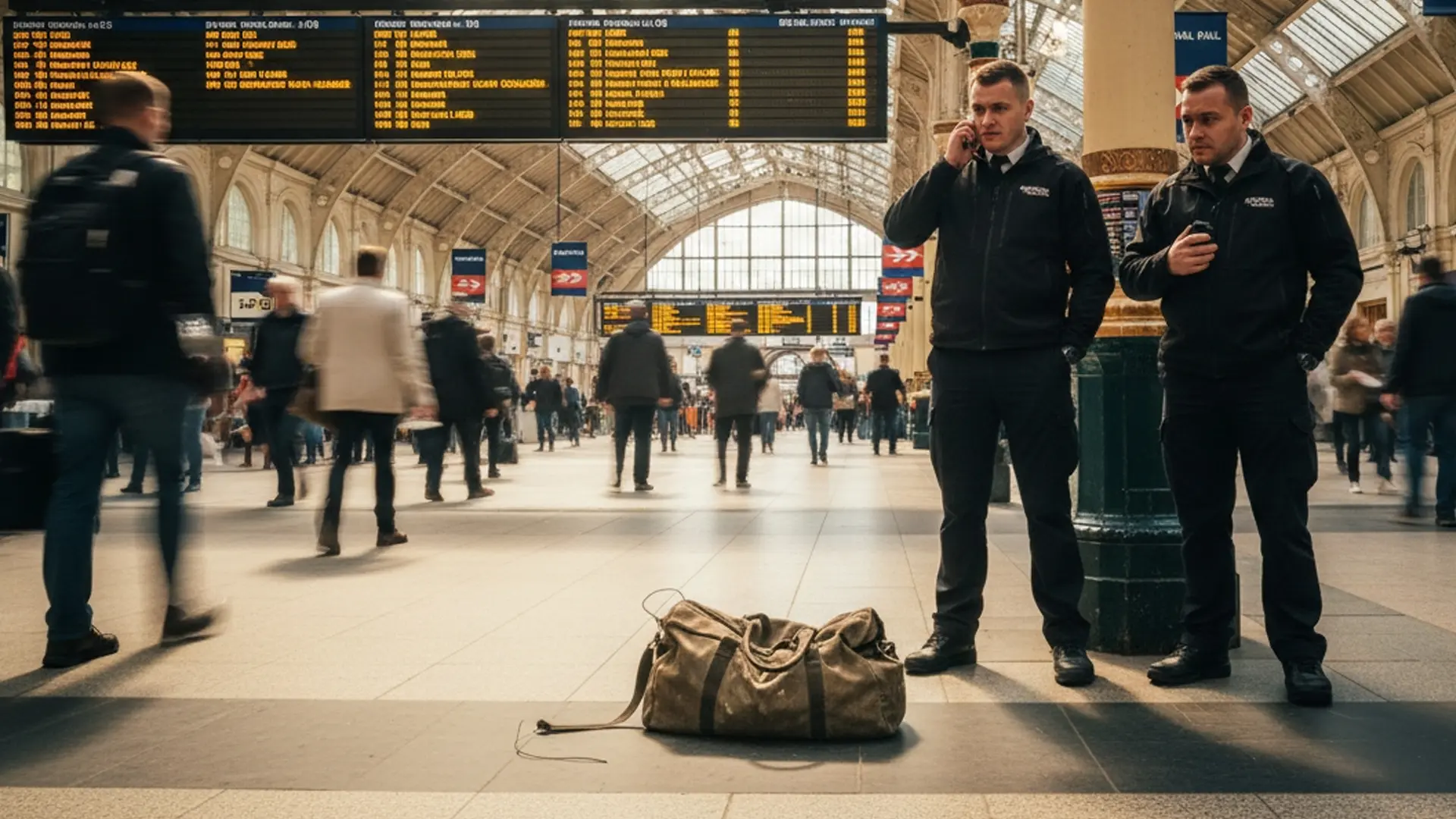
Responding to a Suspicious Object or Package
Procedures should explain:
- When and how to escalate
- Who must be notified
- How to keep guests away from the area
- When evacuation routes need to be changed
This is critical for hotel lobbies, luggage areas, entrances, housekeeping spaces and conference rooms.
Responding to a Suspected or Actual Attack
Staff should have guidance that is:
- Direct
- Action-focused
- Easy to recall
This may include:
- Immediate evacuation
- Initiating lockdown
- Securing certain floors or areas
- Guiding guests to safe zones
- Communicating with emergency services
Hotels are multi-floor environments, so instructions need to consider lifts, stairwells, and room access barriers.
Who Makes the Decisions
Every hotel must designate:
- A Responsible Person (for Standard Duty)
- An on-site lead decision-maker, typically the duty manager during each shift
Clear hierarchy matters, especially during night shifts or lean staffing periods.
How Staff Communicate During an Incident
Hotels must show how staff will coordinate. This could include:
- Duty manager radio
- Internal phone system
- Staff WhatsApp groups (if used operationally)
- Emergency “all-staff” alerts
- Code phrases for discreet communication
Communication breakdowns can lead to confusion and delays, so clarity here is crucial.
Guest Management Procedures
Hotels need to address:
- How to guide guests away from danger
- How to manage lifts (often shut down during emergencies)
- Helping vulnerable or disabled guests
- Managing conference attendees in large groups
- Communicating calmly and clearly
Guest behaviour can vary widely, so staff instructions must be straightforward.
Link With Evacuation & Lockdown Plans
Public Protection Procedures must work alongside evacuation and lockdown plans (covered in Section 5), ensuring all procedures form a single, coherent response.
Hotel-Specific Scenarios to Include in Procedures
Hotels are complex environments with multiple operational areas. Your procedures should consider scenarios such as:
- A suspicious individual lingering in the lobby
- A bag left unattended near the check-in area
- A person accessing conference rooms without registration
- Disturbances in the hotel bar or restaurant
- Incident on a guest floor
- Threat near the main entrance or car park
- Activity affecting the wider area outside the hotel
- Evacuation during peak check-in periods
- Lockdown needed late at night when staffing is reduced
The more tailored the procedures, the easier they are for staff to understand and follow.
Why Public Protection Procedures Matter So Much in Hotels
A well-written procedure removes hesitation, confusion, and uncertainty, giving staff confidence and protecting guests. Hotels operate 24/7 and often have many junior or seasonal staff, so clarity is essential. Procedures help ensure that no matter who is on duty, the response is quick, consistent, and effective.
Public Protection Procedures form the foundation of hotel compliance under Martyn’s Law. Once they are written and understood, evacuation planning, lockdown processes and staff training become much easier to implement.
Build Confidence, Not Complexity
Practical Martyn’s Law guidance tailored for hotels
Most hotels already have the foundations needed for Martyn’s Law — they simply need the right procedures, training, and documentation. Our hotel-focused compliance support makes the process simple, clear, and cost-effective. Let’s help you build a safer environment without disrupting daily operations.Evacuation & Lockdown Plans for Hotels
Evacuation and lockdown plans are a core part of Martyn’s Law compliance for hotels. While Public Protection Procedures describe what your staff must do, the evacuation and lockdown plans describe how guests, visitors, and staff will be moved, safely and efficiently, during an emergency.
Hotels face unique challenges when it comes to emergency movement: multiple floors, lifts, guests with luggage, guests who may not speak English, large conference groups, and high volumes of people unfamiliar with the building layout. That’s why hotel-specific evacuation and lockdown plans must be simple, practical, and easy for staff to follow.
The purpose of Martyn’s Law is not to create complex, military-style protocols, but to ensure that hotels have clear, actionable guidance for the two most important emergency responses:
getting people out, or keeping people safely inside.
Evacuation Planning for Hotels
An evacuation must guide guests and visitors away from danger quickly, calmly, and through routes that remain safe and accessible.
Hotel evacuation plans should include:
Clear Exit Routes
Routes must be:
- Easy to reach from public areas
- Well-marked and unobstructed
- Suitable for guests with disabilities
- Considered from multiple floors and wings
Hotels often have multiple exit types: revolving doors, fire exits, emergency staircases, and service exits. These must be mapped clearly.
Avoiding the Main Entrance (When Necessary)
In many incidents, the main entrance may be the highest-risk area. Evacuation routes should consider alternative exits and guide guests away from danger zones.
Assembly Points
Your plan must identify:
- Primary assembly point
- Secondary location if the first is unsafe
- Indoor assembly point for severe weather or lockdown situations
Hotels with car parks or adjacent public spaces must assess whether these areas are safe for gathering.
Staff Roles During Evacuation
Staff responsibilities should be divided logically:
- Front desk & concierge: Lead evacuation from lobby and reception
- Restaurant/bar staff: Guide diners and guests out of seating areas
- Housekeeping: Assist on guest floors when safe
- Night porters: Manage evacuation during low-staff periods
- Duty manager: Coordinates the response and liaises with emergency services
Clear delegation reduces confusion.
Lift Management
Evacuation procedures must specify when lifts can be used, or when they must be locked down. In most emergencies, guests should use staircases.
Vulnerable or Disabled Guests
Evacuation plans must include:
- Evacuation chairs (if present)
- Assistance roles
- Alternative routes for wheelchair users
- Safe refuge locations
- Requests for mobility information at check-in (optional but helpful)
Hotels naturally host a wide range of mobility needs, planning ahead is essential.
Lockdown Planning for Hotels
A lockdown keeps guests and staff inside the hotel or inside specific safe areas if the threat is outside or nearby.
Lockdown plans must include:
Securing Entrances
Staff should know:
- Which doors can be quickly secured
- Who is responsible for each entry point
- How to control access without panic
Hotels with automatic doors must understand manual override procedures.
Safe Zones
Hotels may identify:
- Internal conference rooms
- Service corridors
- Back-of-house areas
- Rooms without large glass frontage
- Upper floors or specific wings
Safe zones vary by building design.
Communication
Lockdown communication can include:
- Discreet staff alerts
- Informing guests calmly
- Code words or phrases
- Notification to emergency services
Clear, calm messaging prevents panic.
Managing Guests Indoors
Guests may need to:
- Leave public areas and move to safer areas
- Stay inside rooms
- Follow staff instructions immediately
This is especially important during large events or weddings.
Coordination Across Multiple Floors
Hotels must outline how staff on different floors will:
- Share information
- Guide guests
- Confirm when each area is secure
Multi-floor coordination is essential to avoid gaps or duplicated efforts.
Evacuation vs Lockdown: Hotel Comparison Table
| Criteria | Evacuation | Lockdown |
|---|---|---|
| Primary Purpose | Move guests and staff away from danger to a safe external location. | Keep guests and staff protected inside the hotel when going outside would increase risk. |
| When Used | Fire, suspicious item (after assessment), gas leak, structural risk, external hazard. | External threats such as a nearby attack, armed threat, violent incident, or when police advise staying indoors. |
| Staff Instructions | Guide guests to exits, avoid lifts, move quickly to assembly points, check rooms if safe. | Secure entrances, restrict movement, move guests away from windows, lock internal doors, keep people calm. |
| Guest Instructions | Follow staff to fire exits, do not return for belongings, remain at assembly point. | Stay inside designated safe area, stay quiet where required, follow staff directions, turn phones to silent if needed. |
| Movement | Towards predetermined safe external areas. | Away from external-facing areas; into internal rooms or protected zones. |
| Use of Lifts | Prohibited. | Generally prohibited; guests moved via stairs into safer internal locations. |
| Communication | Staff radios, phone calls to emergency services, assembly point roll-call. | Quiet internal communication, phones on silent, minimal noise, coordinated messaging to guests. |
| Risks if Misused | Evacuating into an active threat zone, confusion, crowding outside hotel. | Locking guests inside near a threat, difficulty accounting for guests, possible panic without staff support. |
| Police Guidance | Police may instruct evacuation for known hazards or safety risks. | Police often advise lockdown during external attacks or unknown threats. |
| Hotel Examples | Fire alarm activation, gas smell in kitchen, suspicious package in lobby (assessed low threat). | Incident on nearby street, violent disturbance outside, armed threat in surrounding area, major police activity. |
Why This Matters for Hotels
Evacuation and lockdown plans are the practical backbone of Martyn’s Law. They turn your written procedures into real actions, guiding staff and guests when it matters most. With clear plans, your staff can act decisively, reduce panic, and protect guests until emergency services arrive.
Staff Training: Empowering Your Hotel Team
Under Martyn’s Law, staff training is one of the most important responsibilities for hotels. Even with well-written procedures, emergency plans are only effective if staff understand what to do, when to do it, and how to communicate during an incident. Hotels operate 24/7, often with varied staffing levels, high turnover, seasonal workers, contractors, and night-shift teams, all of which make consistent training essential.
The purpose of training is not to turn hotel staff into security experts. Instead, it ensures they can:
- Spot suspicious activity
- Take decisive action during an emergency
- Guide guests politely but firmly
- Support evacuation or lockdown
- Communicate clearly and quickly
- Reduce confusion and panic
Well-trained staff can save lives long before emergency services arrive.
Who Needs Training in a Hotel?
Hotels have diverse roles, and every team that interacts with guests needs at least basic awareness training. Under Martyn’s Law, the following groups must be included:
Front-of-House Teams
- Receptionists
- Concierge staff
- Guest relations
- Bell staff
These teams often spot suspicious behaviour first.
Restaurant, Bar & Lounge Staff
- Hosts
- Waiting staff
- Bar staff
These areas are high-density public spaces.
Housekeeping Teams
- Cleaners
- Floor supervisors
- Laundry teams
Housekeeping is crucial because they access guest floors and rooms, areas where suspicious items or behaviour are commonly found.
Night Shift Staff
- Night porters
- Night managers
- Security personnel
Night staff often work with fewer colleagues and must manage emergencies with limited resources.
Conference & Events Teams
- Banqueting staff
- Event coordinators
- Technicians
Hotels hosting weddings, conferences, and corporate events must consider these large gatherings.
Leisure & Wellness Staff
- Gym staff
- Spa therapists
- Pool attendants
These teams manage guests in isolated areas that may require specific evacuation or lockdown instructions.
Managers & Duty Managers
Duty managers must understand:
- Decision-making hierarchy
- Communication protocols
- When to initiate evacuation or lockdown
- How to liaise with emergency services
They are typically the lead during any major incident.
What Should Martyn’s Law Hotel Training Cover?
While government guidance will provide learning materials, hotels should ensure staff understand:
What Martyn’s Law Is and Why It Matters
- Basic legal duties
- Importance of rapid action
- How hotels differ from other venues
How to Recognise Suspicious Behaviour
Including:
- Unusual loitering
- Attempts to access staff-only areas
- Nervous behaviour
- Inappropriate filming or note-taking
- Large or concealed bags
How to Respond to Suspicious Items
Staff must know:
- What to do
- Who to tell
- How to isolate the area safely
- What NOT to do (touching or moving items)
Evacuation Procedures
Staff should be confident in:
- Which exits to use
- Alternative routes
- Assembly points
- How to guide guests
Hotels must consider guests with disabilities, infants, luggage, or limited English.
Lockdown Procedures
Training should ensure staff know:
- Where safe zones are
- Which entrances to secure
- What to say to guests
- How to control panic
Lockdown is especially relevant in city hotels.
Communication During Emergencies
Staff must understand:
- Code phrases
- Internal phone/radio systems
- Chain of command
- When and how to call emergency services
Role-Specific Actions
Housekeeping, front-of-house, and event teams will require slightly different training due to their unique responsibilities.
How Often Should Training Take Place?
Standard Duty hotels are expected to:
- Provide training for new starters
- Refresh training annually
- Conduct drills periodically
- Update training when procedures change
- Keep training records accessible
Training doesn’t need to be complex or expensive, what matters is consistency and clarity.
Why Staff Training Matters So Much in Hotels
Hotels are public spaces that attract diverse visitors, international travellers, and large groups. Staff are on the frontline, often long before security teams or emergency services arrive. Well-trained staff create a safer, more confident atmosphere for guests and help reduce the risk of confusion or injury during emergencies.
Martyn’s Law recognises that prepared staff are the single most effective security measure in any venue, which is why training is one of the law’s central pillars.
Train Your Team to Respond with Confidence
Staff training designed for real hotel scenarios
Your frontline staff will make the biggest difference in an emergency. Our tailored training programmes help reception teams, housekeeping, night staff, bar staff, and duty managers understand exactly how to respond to suspicious activity, evacuations, and lockdowns — calmly and confidently.Documentation & Record Keeping (Standard Duty)
Documentation is a core requirement of the Standard Duty under Martyn’s Law. While hotels are not required to complete detailed risk assessments under the Standard tier, they must keep written evidence of their Public Protection Procedures, evacuation and lockdown plans, and training activities. These documents help demonstrate that the hotel has taken reasonable, proportionate steps to protect guests and staff.
For hotels, documentation also strengthens operational consistency. With high staff turnover, seasonal workers, and 24/7 operation, clear written procedures ensure every team, regardless of shift pattern or experience, can access the same information.
What Documents Must Hotels Have?
Under the Standard Duty, hotels must maintain three main categories of documentation:
Public Protection Procedures (Written Document)
This must include:
- How staff respond to suspicious behaviour
- Steps to take when discovering a suspicious item
- What to do during different types of security incidents
- Who to inform and how communication flows
- How lockdown or evacuation decisions are made
- Team responsibilities during an emergency
This document must be kept up to date and accessible to staff.
Evacuation & Lockdown Plans
These should outline:
- Primary and secondary evacuation routes
- Safe assembly points
- Lockdown spaces and safe zones
- Procedures for disabled guests
- Lift usage instructions
- Staff roles during both processes
- Floor-by-floor instructions (if applicable)
Hotels with multiple wings or annex buildings must ensure plans cover each area.
Staff Training Records
You must keep a log of:
- Who received training
- When they were trained
- What training they received
- Who delivered the training
- When refresher sessions took place
Training logs can be simple as long as they are accurate and complete.
Where Should These Documents Be Stored?
Documents must be:
- Accessible (staff must be able to find them quickly)
- Centralised (no version confusion between teams)
- Readable (simple, clear, not overly technical)
Recommended storage locations for hotels include:
- A dedicated digital staff portal
- A secure hotel management system
- An accessible staff office
- A central folder for all guest-facing teams
- A printed copy behind reception or concierge
- A shared drive for management teams
Digital and physical copies together work best.
Who Should Have Access?
Access should depend on role:
All Staff
- Summary procedures
- Basic response instructions
- Emergency contact details
- Evacuation signage and maps
Managers & Supervisors
- Full procedures
- Complete evacuation and lockdown plans
- Communication protocols
- Incident escalation guidance
Senior Leadership / Duty Management
- Complete documentation set
- Floor plans and detailed maps
- Training logs
- Change logs for procedure updates
How Often Must Documentation Be Reviewed?
Hotels must review documentation:
- At least annually
- After any major incident or false alarm
- When the hotel layout changes (e.g., refurbishment, new entrances)
- When new facilities open (bar, spa, meeting rooms, extensions)
- When previous gaps or issues are identified
Hotels with multiple events per week may choose to review their plans more frequently.
“Show Me” Requests from Regulators
The regulator (via the SIA) may request the following:
- A copy of your Public Protection Procedures
- Evacuation and lockdown plans
- Training logs
- Evidence of periodic updates
Hotels do not need to conduct complex assessments under Standard Duty, but they must be able to show their documents are real, active, and in use.
Common Documentation Mistakes Hotels Should Avoid
- Treating procedures like fire plans: Martyn’s Law requires different responses.
- Only training managers: All guest-facing staff must understand the basics.
- Not documenting informal training: If it’s not recorded, it doesn’t count.
- Leaving documents inaccessible: Staff must be able to find them quickly.
- Letting multiple versions exist: All teams must use the same current version.
- Failing to review after layout changes: Even a new bar or lounge layout can affect plans.
Why This Matters for Hotels
Documentation might seem administrative, but in practice it is one of the strongest protections a hotel has. Clear, up-to-date documents:
- Build staff confidence
- Reduce errors during emergencies
- Show compliance
- Improve guest safety
- Support consistent operational standards across shifts
For hotels, where teams work diverse hours and face varied guest interactions, strong documentation is essential to ensuring smooth, coordinated responses in high-pressure situations.
Read our article: Martyn’s Law for Shopping Centres and Retail Parks
How to Prepare Your Hotel for Martyn’s Law (12-Step Implementation Plan)
Preparing for Martyn’s Law does not have to be complicated or expensive. For hotels falling under the Standard Duty (200–799 capacity), compliance is primarily about documents, training, and confidence, not costly physical security measures. The following 12-step plan is designed specifically for hotel operations and can be followed by any hotel size or brand.
This practical roadmap ensures your hotel covers every requirement in a structured, manageable way.
The 12-Step Implementation Plan for Hotels
Preparing for Martyn’s Law does not have to be complicated or expensive. For hotels falling under the Standard Duty (200–799 capacity), compliance is primarily about documents, training, and confidence, not costly physical security measures. The following 12-step plan is designed specifically for hotel operations and can be followed by any hotel size or brand.
This practical roadmap ensures your hotel covers every requirement in a structured, manageable way.
Step 1: Confirm Whether the Standard Duty Applies to Your Hotel
- Assess your publicly accessible areas
- Calculate combined capacity (lobby, restaurant, bar, conference spaces, etc.)
- Confirm your total public capacity falls between 200–799 guests
- Document your threshold assessment (optional but recommended)
Most hotels in the UK will qualify for the Standard Duty.
Step 2: Notify the Security Industry Authority (SIA)
Once the Act formally takes effect, you must:
- Register your hotel as a qualifying premises
- Provide basic property and contact details
- Confirm you fall under the Standard Duty
This is a one-off requirement unless your premises change.
Step 3: Appoint a Responsible Person
This is typically:
- The General Manager
- Operations Manager
- Security Manager
- Or a senior duty manager
The Responsible Person ensures the hotel meets its obligations and documents stay up to date.
Step 4: Map Your Hotel’s Publicly Accessible Areas
Walk your premises and identify:
- Entrances and exits
- Corridors and lift lobbies
- Restaurants, bars, lounges
- Function rooms and conference spaces
- Leisure facilities (gym, spa, pool)
- Outdoor seating areas
- Vulnerable zones (blind corners, storage areas near guest routes)
This map will support your procedures, training, and evacuation planning.
Step 5: Create or Update Your Public Protection Procedures
Your procedures must cover:
- Responding to suspicious behaviour
- Responding to suspicious items
- Managing security incidents
- Decision-making hierarchy
- Communication flows
- Guest movement (calmly and safely)
Keep them simple, realistic, and specific to your building.
Step 6: Develop Clear Evacuation and Lockdown Plans
Ensure your plans include:
- Primary and secondary evacuation routes
- Alternative exits if the main entrance is unsafe
- Guest-management strategies
- Safe zones for lockdown
- Instructions for disabled or vulnerable guests
- Floor-by-floor guidance (where applicable)
Hotel layouts vary, your plans must reflect your actual building.
Step 7: Assign Responsibilities Across Your Team
Define who does what during an incident:
- Front desk leads evacuation from the lobby
- Housekeeping supports guest-room floors
- Restaurant/bar staff guide diners and visitors
- Night porters manage off-peak incidents
- Duty managers coordinate and communicate with emergency responders
Clear role assignment reduces confusion under pressure.
Step 8: Train All Staff on Martyn’s Law Procedures
Training must include:
- Identifying suspicious behaviour
- Responding to suspicious items
- Evacuation and lockdown basics
- Communication and escalation
- Role-specific actions
- How to support guests and reduce panic
Training can be delivered internally or through online modules and refreshed annually.
Step 9: Keep Detailed Training Records
You must log:
- Staff names
- Date of training
- Training method
- Refreshers
- Any drills or practice exercises
If it’s not recorded, it doesn’t count.
Step 10: Store All Documentation in an Accessible Location
Best practice:
- A digital staff portal
- A shared drive
- Printed copies in the manager’s office and back-of-house areas
- Quick-access summaries at reception and concierge desks
Documents must be available to staff whenever needed.
Step 11: Test Your Procedures Through Drills
At least once or twice per year:
- Run evacuation walk-throughs
- Conduct internal team briefings
- Test communication methods
- Identify gaps in staff knowledge
- Adjust procedures based on real feedback
Drills improve confidence and refine plans.
Step 12: Review and Update Plans Regularly
Hotels change over time:
- New bar layouts
- Refurbishment works
- Changes in entrances or exits
- Additional event spaces
- New technology or access controls
Review your documents every year or sooner if major changes occur.
Why This 12-Step Plan Works for Hotels
This sequence follows the natural order of hotel operations. It keeps things simple, reduces overwhelm, and ensures that every requirement of Martyn’s Law is covered. By following these steps, hotels create a safer environment while strengthening staff readiness and guest confidence.
Common Mistakes Hotels Make Under Martyn’s Law
Even well-run hotels can struggle with certain aspects of Martyn’s Law, especially because hotels are busy, multi-functional spaces with rotating teams, multiple departments, and high public footfall. Understanding the most common mistakes helps hotels avoid compliance gaps and strengthens safety across all departments.
Below are the key mistakes hotels frequently make under the Standard Duty, and how to avoid them.
Miscalculating Capacity (Underestimating Publicly Accessible Numbers)
Many hotels forget to include:
- Restaurants and bars
- Conference rooms
- Banqueting suites
- Spa and leisure facilities
- Outdoor seating areas
- Lobbies during peak hours
Hotels often exceed 200 public capacity without realising it, meaning they are in scope of Martyn’s Law.
Fix: Count all publicly accessible areas and calculate capacity based on maximum occupancy, not typical occupancy.
Treating Martyn’s Law Like a Fire Safety Requirement
Fire procedures are essential but very different from terrorism response. Hotels frequently rely on fire evacuation plans, assuming they meet Martyn’s Law requirements, they do not.
Fix: Develop concise security procedures that cover suspicious behaviour, hostile threats, lockdown, and communication.
Only Training Management, Not Frontline Staff
Receptionists, housekeepers, waiting staff and night porters are often the first to notice unusual behaviour. Yet many hotels focus training only on supervisors.
Fix: Train every guest-facing team member, including seasonal and casual staff.
Not Training Night Shift Staff Properly
Hotels typically have:
- Fewer staff
- Reduced management presence
- Limited access to certain areas
- Higher responsibility for emergency decisions
Night teams must be trained equally, if not more, because they may be the only ones on duty during incidents.
Fix: Deliver dedicated night-shift training sessions and ensure procedures are accessible 24/7.
Overcomplicating Documentation
Some hotels produce long, dense, policy-heavy documents that staff never read. Complex manuals reduce compliance rather than improving it.
Fix: Keep documents short, clear, and actionable. Create summaries or quick-reference sheets for frontline teams.
Forgetting to Include Housekeeping and Maintenance Teams
These teams move across:
- Guest floors
- Linen rooms
- Back-of-house
- Vulnerable spaces
- Storage areas
They need clear guidance on identifying suspicious items and reporting concerns.
Fix: Train housekeeping and maintenance teams early, and tailor guidance to their daily routes.
Not Considering Multi-Floor Movement During Emergencies
Hotels must account for:
- Lifts becoming unavailable
- Crowded stairwells
- Guests with mobility issues
- Long corridors or wings
- Accessible refuge areas
Fix: Include floor-by-floor evacuation instructions and identify accessible safe locations.
Poor Communication Planning
In an emergency, staff often:
- Freeze
- Use unclear language
- Duplicate responsibilities
- Fail to escalate properly
otels that rely only on radios or mobile phones may face signal or availability issues.
Fix: Define communication phrases, escalation rules, and who contacts emergency services.
Not Keeping Procedures Updated After Refurbishments
Many hotels change layouts regularly:
- New bars or restaurants
- Redesigned lobbies
- Additional dining areas
- Outdoor extensions
- Conference-room expansions
These changes can alter exit routes or capacity thresholds.
Fix: Update procedures whenever the building layout changes.
Failing to Keep a Single, Up-to-Date Version of Documents
Hotels often accidentally create:
- Multiple versions
- Conflicting procedures
- Inconsistent staff knowledge
Fix: Maintain a single master copy of each document and control updates centrally.
Not Running Drills or Testing Procedures
If staff never practise evacuation or lockdown, confusion is inevitable.
Fix: Run periodic drills and team briefings, even quick walk-throughs improve confidence.
Relying Too Heavily on Security Staff
While security teams are valuable, many hotels assume they will handle everything. In reality, security staff may not be present or may be few in number.
Fix: Ensure all staff, especially customer-facing teams, know the basics of emergency response.
Not Considering External Threats (Nearby Incidents)
Hotels near:
- City centres
- Transport hubs
- Attractions
- Stadiums
- Nightlife areas
…may face risks originating outside the building.
Fix: Include external threat scenarios in lockdown plans.
Not Addressing Language Barriers With Guests
Hotels serve international guests who may not understand instructions quickly.
Fix: Train staff to use clear, simple language and gestures where needed.
Overlooking Guest Behaviour During Emergencies
Guests may:
- Panic
- Search for luggage
- Attempt to return to rooms
- Ignore instructions
- Misinterpret alarms
Fix: Train staff to communicate firmly, calmly, and clearly.
Why Avoiding These Mistakes Matters
Mistakes in planning or training don’t just create compliance issues, they increase the risk of confusion, delays, and harm during an emergency. Hotels that avoid these common pitfalls will:
- Respond faster
- Protect more people
- Demonstrate compliance
- Build staff confidence
- Maintain guest trust
By understanding and correcting these common mistakes, hotels can significantly strengthen their overall preparedness and meet Martyn’s Law obligations with confidence.
Get Your Hotel 100% Ready for Martyn’s Law
Complete procedures, planning, and compliance support
From capacity assessments and procedure writing to staff training and documentation reviews, we help hotels meet every requirement of the Standard Duty. Whether you’re a boutique hotel or a large full-service property, our experts ensure you’re fully compliant — and fully prepared.
Martyn’s Law Readiness Checklist for Hotels
This checklist provides a simple way for hoteliers to confirm they have met all Standard Duty requirements. It reflects the real operational needs of hotels, from 24/7 staffing to multi-floor evacuation planning, and can be used as a quick reference guide for managers, supervisors, and compliance teams.
Use this readiness checklist during:
- Internal audits
- Management meetings
- Training refresh sessions
- Pre-event briefings
- Annual document reviews
Tick each item to confirm you are fully prepared.
Hotel Readiness Checklist (Standard Duty)
Capacity & Scope
- Public capacity calculated accurately (200–799)
- Publicly accessible areas mapped
- Bedrooms excluded from calculation
- Peak lobby/event times considered
Legal Notifications
- Hotel registered with the SIA
- Responsible Person appointed
Public Protection Procedures
- Suspicious behaviour procedures documented
- Suspicious items procedures documented
- Incident response steps included
- Communication protocol included
- Staff roles clearly defined
Evacuation & Lockdown Plans
- Primary and secondary evacuation routes defined
- Assembly points identified
- Lockdown safe zones identified
- Lift management instructions included
- Accessibility routes considered
- Floor-by-floor instructions (if required)
Staff Training
- All guest-facing staff trained
- Night staff trained
- Housekeeping & maintenance included
- Role-specific training provided
- Annual refresh training scheduled
Documentation & Records
- Procedures stored in an accessible format
- Version control system in place
- Training logs maintained
- Review schedule established
- Updates made after layout changes or incidents
Testing & Drills
- Evacuation drills completed
- Lockdown awareness briefings delivered
- Communication systems tested
- Staff feedback collected
- Improvements implemented
Hotel Readiness Table (HTML Version)
| Readiness Area | Are You Compliant? | What to Check |
|---|---|---|
| Capacity Calculation | Yes / No | Have you calculated your hotel’s public capacity across ALL relevant areas (lobby, bar, restaurant, event spaces)? |
| SIA Notification | Yes / No | Have you registered your hotel as a qualifying premises with the SIA? |
| Public Protection Procedures | Yes / No | Have you written clear, simple procedures covering suspicious behaviour, suspicious items and threat escalation? |
| Evacuation Plan | Yes / No | Do you have a documented, practical evacuation plan covering all floors, event spaces and mobility needs? |
| Lockdown Plan | Yes / No | Do you have a defined lockdown plan for external threats (including safe internal areas and communication rules)? |
| Staff Responsibilities | Yes / No | Does every team member (reception, housekeeping, night staff, F&B, events) know their role during emergencies? |
| Staff Training | Yes / No | Have all relevant staff received training on procedures, evacuation, lockdown and recognising suspicious behaviour? |
| Night Shift Preparedness | Yes / No | Do night staff understand the procedures and their added responsibilities during low-staff hours? |
| Documentation Storage | Yes / No | Are procedures, plans and training records stored somewhere staff can easily access (digital or physical)? |
| Drills & Testing | Yes / No | Have you run evacuation or lockdown drills, and used the results to improve procedures? |
| Annual Review | Yes / No | Do you review procedures at least annually or after major layout/operational changes? |
| Guest Communication Strategy | Yes / No | Do staff know how to communicate instructions to guests clearly and calmly during emergencies? |
This checklist provides hotels with everything they need for a quick internal audit.
Preparing Your Hotel for Martyn’s Law
Martyn’s Law introduces a vital layer of protection for hotels across the UK. For most hotels, compliance falls under the Standard Duty, meaning the focus is not on costly equipment or complex security infrastructure, but on clear procedures, confident staff, and well-planned responses. Hotels are unique environments, busy, diverse, and constantly changing, which makes preparedness essential not only for legal compliance but also for guest safety and operational resilience.
By establishing strong Public Protection Procedures, designing practical evacuation and lockdown plans, and delivering consistent staff training, hotels can create an environment where staff feel empowered and guests feel safer. These steps strengthen daily operations, improve team confidence, and align hotels with modern safety expectations.
Martyn’s Law is not just about responding to rare incidents, it is about building a culture of awareness and readiness. When every member of your team knows what to do, your hotel becomes significantly more resilient and better equipped to protect the people who trust you with their stay.
Leisure Guard Security can support hotels through every step of the process, from planning and procedures to training and ongoing compliance. With clear guidance and the right approach, meeting the Standard Duty is straightforward, and the benefits extend far beyond legal requirements.
Frequently Asked Questions: Martyn’s Law for Hotels (Standard Duty)
Does Martyn’s Law apply to all hotels?
Yes. Any hotel with publicly accessible areas that can collectively hold 200–799 people at one time falls under the Standard Duty. This includes most mid-size and city hotels.
Do hotel bedrooms count toward public capacity?
No. Bedrooms do not count because they are not publicly accessible. Only areas where guests or visitors can freely enter are included.
What parts of a hotel count toward the 200–799 capacity threshold?
Lobbies, restaurants, bars, conference rooms, event spaces, gyms, spas, pool areas, public corridors, and any outdoor seating areas.
Are small boutique hotels exempt from Martyn’s Law?
If their combined public areas hold fewer than 200 people, they fall out of scope. However, if they host events or weddings, their event capacity may bring them into scope.
Do hotels need to install new CCTV or metal detectors?
No. Under the Standard Duty, there is no requirement to add new equipment or technology. The focus is on procedures and staff training, not physical measures.
What training do hotel staff need under Martyn’s Law?
All guest-facing staff must be trained to:
Spot suspicious behaviour
Respond to suspicious items
Follow evacuation or lockdown instructions
Communicate clearly during emergencies
Night staff, housekeeping, and restaurant teams are especially important.
What documents must hotels keep for compliance?
Hotels must maintain:
Public Protection Procedures
Evacuation & lockdown plans
Staff training logs
Role assignments for emergencies
All must be stored in an accessible location.
How often do hotels need to refresh staff training?
At least annually, and again whenever procedures change or major layout alterations occur.
Who should act as the Responsible Person in a hotel?
Typically the General Manager, Operations Manager, Security Manager or a senior duty manager familiar with safety procedures.
What is the difference between evacuation and lockdown for a hotel?
Evacuation = move guests out of the building away from danger.
Lockdown = keep guests inside safe zones if the threat is outside or nearby.
How should hotels handle guests with disabilities during emergencies?
Procedures should cover:
Evacuation chairs (if available)
Safe refuge points
Staff assigned to assist
Alternative routes if lifts are unavailable
What happens if a hotel fails to comply with Martyn’s Law?
Non-compliance can lead to:
Enforcement notices
Mandatory improvements
Financial penalties
Liability following an incident
Can hotels use their fire evacuation plan as their Martyn’s Law plan?
No. Fire procedures do not cover hostile threats, suspicious behaviour, or lockdown actions. Hotels must create dedicated Public Protection Procedures.
Do hotels need to inform guests about Martyn’s Law procedures?
No. There is no requirement to communicate procedures to guests. Staff simply need to be trained to guide guests effectively during emergencies.