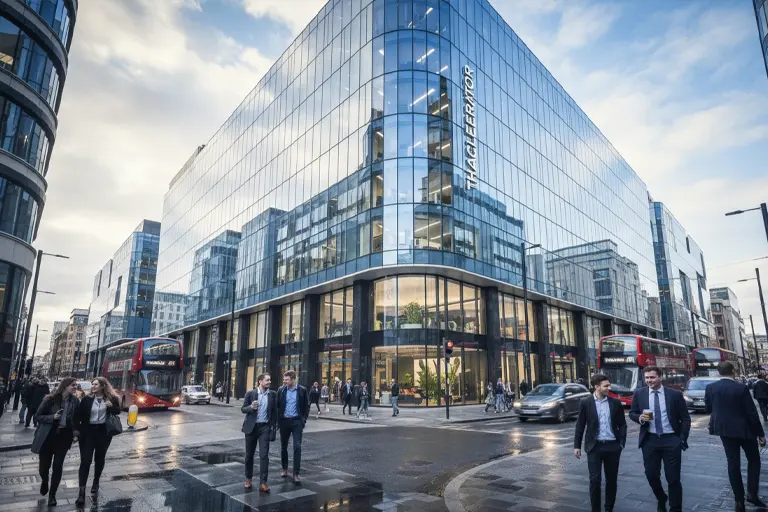
The Changing Role of Office Concierge Security
For decades, office security followed a predictable pattern. Buildings opened in the morning, closed in the evening, and security was largely focused on locking doors, monitoring alarms, and responding to incidents after they occurred. Reception staff handled visitors. Guards patrolled quietly in the background. Security was functional, but rarely visible, and almost never part of the overall workplace experience.
That model no longer fits the way modern offices operate.
Today’s office environments are more complex, more fluid, and more exposed. Hybrid working has reduced consistent footfall, leaving buildings partially occupied throughout the day and completely empty at unexpected times. Flexible working hours mean contractors, cleaners, delivery drivers, and visitors are coming and going outside traditional 9–5 patterns. Multi-tenant office buildings now host a rotating mix of businesses, each with different access needs, risk profiles, and expectations.
At the same time, the experience of the building has become a commercial priority.
For landlords, asset managers, and facilities management (FM) companies, an office is no longer just a place to work, it’s a product. The moment someone walks through the door, the building communicates quality, professionalism, and control. First impressions matter, not just to tenants, but to their clients, staff, and visitors.
This is where traditional security models start to fall short.
A static guard positioned away from the entrance may provide a deterrent, but they do little to manage flow, challenge unfamiliar faces, or support tenant experience. Reception-only staff may be friendly and welcoming, but they are rarely trained or empowered to deal with risk, confrontation, or incidents. In many buildings, this creates a dangerous gap, one where responsibility is unclear, access is poorly controlled, and issues are only addressed once they’ve already escalated.
Office concierge security has emerged in response to this gap.
Rather than treating security as a background function, concierge security places trained, security-aware professionals at the front of house. These individuals combine the approachability and professionalism of a concierge with the vigilance, authority, and situational awareness of a licensed security officer. Their role is not simply to observe, but to actively manage people, access, and risk, while maintaining a calm, welcoming presence.
This shift reflects a broader change in how risk is viewed within commercial property. FM companies and property managers are increasingly judged not just on cost control, but on safety, service levels, tenant satisfaction, and reputation. Incidents, even minor ones, now carry reputational, contractual, and legal consequences.
In this environment, security can no longer be passive or hidden.
The most effective office security today is visible without being intimidating, proactive without being intrusive, and professional without feeling clinical. Concierge security meets that need, redefining what “good security” looks like in modern office buildings and setting a new standard for how workplaces are protected, managed, and experienced.
What Is Office Concierge Security?
Office concierge security is a front-of-house security model designed specifically for modern commercial office environments. It combines the visibility, authority, and risk awareness of professional security with the service-led approach traditionally associated with concierge or reception roles.
At its core, concierge security is about active presence rather than passive observation.
Instead of positioning security officers out of sight, this model places them at the main point of contact, entrances, reception areas, and shared spaces, where they can manage access, interact with occupants and visitors, and identify issues before they escalate.
More Than a Guard. More Than Reception.
A common misconception is that concierge security is simply a rebranded receptionist or a guard in a smarter uniform. In reality, it is a distinct role with a broader remit and higher expectations.
Office concierge security officers are:
- Fully SIA-licensed and security-trained
- Experienced in customer service and professional engagement
- Trained to assess behaviour, not just credentials
- Empowered to challenge, refuse access, and escalate issues when required
They are equally comfortable welcoming a tenant’s client as they are dealing with an unauthorised contractor, suspicious behaviour, or an emergency situation.
How Concierge Security Differs from Traditional Models
To understand its value, it helps to compare concierge security with more familiar approaches:
| Traditional Guarding | Reception-Only Staff | Office Concierge Security |
|---|---|---|
| Reactive | Service-focused | Proactive and service-led |
| Often positioned away from entrances | Welcoming but limited authority | Front-of-house control with confident engagement |
| Focused on deterrence | Focused on hospitality | Focused on risk management + experience |
| Limited interaction | Limited incident response | Trained intervention and escalation |
| Security-first mindset | Experience-first mindset | Balanced security + experience |
A Role Designed for Modern Offices
Modern offices face challenges that didn’t exist a decade ago:
- Shared entrances and flexible tenancy
- Hybrid working and irregular occupancy
- Increased contractor and delivery traffic
- Higher expectations around professionalism and wellbeing
Office concierge security is designed for these realities. Officers understand that access control is no longer just about keys or passes, it’s about context. Who should be here? Why are they here? And does their presence make sense in that moment?
This situational awareness allows issues to be addressed quietly and professionally, often before tenants or visitors even realise there was a risk.
Security Without the Intimidation
One of the defining strengths of concierge security is tone.
Uniforms, body language, and communication are deliberately professional and approachable. The aim is not to create a sense of enforcement, but one of confidence and control. People behave differently in environments where they know someone is paying attention, and concierge security leverages that psychology without creating discomfort.
This balance is particularly important in premium office spaces, multi-tenant buildings, and environments where tenant satisfaction directly affects retention and asset value.
An Extension of the FM and Property Management Team
Rather than operating in isolation, concierge security officers function as an extension of the facilities and property management team.
They:
- Support building policies and procedures
- Enforce access protocols consistently
- Act as the first point of escalation for incidents
- Provide clear reporting and audit trails
- Liaise with maintenance, cleaning, and management teams
This integration ensures that security supports, rather than disrupts, daily operations.
A Clear Shift in Expectations
Office concierge security exists because expectations have changed. Landlords, FM providers, and tenants now expect:
- Safer shared spaces
- Controlled but welcoming environments
- Professional presence always
- Reduced incidents and clearer accountability
Concierge security delivers on those expectations by redefining what front-of-house security looks like, moving away from passive guarding and toward active, people-focused risk management.
Why FM Companies and Property Managers Are Driving This Shift
Facilities management (FM) companies and property managers sit at the centre of modern office operations. They are responsible not only for keeping buildings functional, but for ensuring they are safe, compliant, efficient, and commercially attractive. As office environments evolve, so too do the pressures placed on those managing them, and traditional security models are no longer meeting those demands.
Office concierge security has emerged largely because FM teams and property managers are actively asking for something better.
The Pressure Has Changed
FM contracts today are more complex than ever. They are measured against a growing list of performance indicators that go far beyond cost control. These include:
- Health and safety compliance
- Incident reduction and reporting quality
- Tenant satisfaction and retention
- Brand and asset protection
- ESG and wellbeing considerations
In this environment, security is no longer a standalone service. It is a visible part of the building’s overall performance.
A single incident, an unauthorised individual gaining access, a poorly handled confrontation at reception, or a failure to challenge tailgating, can quickly escalate into complaints, reputational damage, or contractual scrutiny.
Reception-Only Models Create Risk Gaps
Many office buildings still rely on reception teams to manage access and front-of-house interactions. While reception staff play a vital role in hospitality and tenant experience, they are rarely trained or insured to handle:
- Confrontation or refusal of access
- Suspicious behaviour
- Incident escalation
- Emergency response
- Enforcement of building rules
This places FM teams in a difficult position. They are expected to deliver safe environments, but without the right people in place at the most critical control point, the front door.
Office concierge security closes this gap by combining authority with professionalism, allowing FM teams to demonstrate robust risk management without sacrificing service quality.
Multi-Tenant and Flexible Offices Demand More Control
The rise of flexible working and shared office space has transformed access control challenges.
In buildings operated or influenced by premium providers such as Bruntwood or flexible workspace brands like Regus, footfall is constant and varied. Tenants change. Visitors arrive daily. Contractors, cleaners, and delivery drivers operate across extended hours.
FM companies know that in these environments:
- Static guarding is too detached
- Reception-only staffing lacks authority
- Automated access systems alone are insufficient
Concierge security provides human judgement at the point where technology and policy alone fall short.
Asset Managers Want Consistency Across Portfolios
Large property owners and managing agents often oversee multiple sites across cities or regions. Consistency of service is critical, not just in appearance, but in decision-making, reporting, and incident handling.
Global real estate and FM organisations such as CBRE operate in environments where audit trails, compliance evidence, and reputational management are essential. Concierge security supports this by:
- Applying access rules consistently
- Producing detailed, professional incident reports
- Acting as a visible control measure during audits and inspections
For asset managers, this consistency reduces risk exposure across entire portfolios, not just individual buildings.
Security Is Now Part of Tenant Experience
Modern tenants expect more than a desk and a door key. They expect:
- Safe shared spaces
- Professional front-of-house interactions
- Clear access control
- A sense that the building is well managed
FM teams increasingly recognise that security staff are often the first and last people tenants and visitors interact with each day. Poor interactions reflect badly on the entire building operation.
Concierge security reframes that interaction. Officers are trained to be calm, confident, and service-led, reinforcing trust while quietly maintaining control.
Reducing Incidents Is Cheaper Than Managing Them
From an FM perspective, prevention is always more cost-effective than response. Incidents trigger:
- Management time
- Client communication
- Investigation and reporting
- Potential legal or insurance involvement
By placing trained security professionals at the front of house, FM companies reduce the likelihood of incidents occurring in the first place. When issues do arise, they are handled quickly, professionally, and with clear documentation, limiting escalation.
A Strategic Decision, not a Cosmetic One
For FM companies and property managers, the move toward office concierge security is not about appearances. It is a strategic response to:
- Increased liability
- Higher service expectations
- More complex building use
- Greater scrutiny from clients and tenants
Concierge security aligns security provision with the realities of modern office management, delivering control, confidence, and professionalism where it matters most.

Who Office Concierge Security Is Designed For
Office concierge security is not a one-size-fits-all solution, and it isn’t intended for every commercial building. It is specifically designed for environments where people flow, shared spaces, and brand perception matter just as much as physical security.
As office use becomes more flexible and buildings host a wider mix of occupants and visitors, concierge security provides the structure and control needed to manage that complexity without creating friction.
Multi-Tenant Office Buildings
Shared office buildings present some of the most challenging security environments. Multiple tenants, varying access requirements, and constant visitor movement increase the risk of:
- Tailgating and unauthorised access
- Confusion over who belongs where
- Poor accountability when incidents occur
Office concierge security brings clarity to these environments. By managing access at the main entrance, officers ensure that:
- Visitors are correctly signed in and directed
- Contractors are verified and authorised
- Tenants feel confident that shared spaces are controlled
This is particularly valuable in city-centre office buildings where footfall is high and public access is unavoidable.
Grade A and Premium Office Space
In high-quality office developments, security must align with the overall standard of the building. Aggressive guarding or visibly reactive security measures can undermine the experience tenants expect from premium space.
Office concierge security fits naturally into these environments by:
- Matching the professionalism of the building design
- Supporting a calm, confident atmosphere
- Providing reassurance without intrusion
For landlords and operators delivering experience-led office space, concierge security protects both the asset and its reputation.
Serviced and Flexible Workspaces
Flexible workspace operators, including brands such as Regus, operate in environments where:
- Tenants change frequently
- Access requirements shift daily
- Visitors are constant
- Traditional “staff-only” security models don’t apply
Concierge security provides a consistent human presence that understands who should be on site, without relying solely on access cards or automated systems that can be easily misused or shared.
Business Parks and Campus-Style Developments
Large office parks and campus-style developments often struggle with visibility and control, particularly outside peak hours. Multiple entrances, wide open spaces, and reduced footfall during hybrid working days create opportunities for unauthorised access.
Office concierge security acts as a central control point, coordinating:
- Visitor access across multiple buildings
- Contractor sign-in and site rules
- Escalation to mobile patrols or response teams
This model improves oversight without requiring heavy-handed security infrastructure at every entrance.
Professional security that works quietly in the background.
From multi-tenant offices to premium commercial developments, concierge security helps reduce incidents, support compliance, and protect reputation, without creating friction for tenants or visitors. If you’re reviewing your current security model or planning a new site, our team can provide informed, practical guidance tailored to your building.
Head Offices and Corporate Headquarters
For corporate head offices, security is about more than protection, it’s about corporate identity and duty of care. These buildings often host:
- Senior leadership
- Sensitive meetings
- Confidential information
- High-profile visitors
Concierge security ensures that the first point of contact reflects professionalism, discretion, and control, while still being capable of responding effectively to incidents.
FM-Managed and Portfolio Properties
Facilities management companies and asset managers overseeing multiple sites need security solutions that are:
- Consistent
- Auditable
- Scalable
Office concierge security integrates well across portfolios, providing standardised procedures, reporting formats, and escalation pathways. For organisations managing buildings on behalf of clients, including those aligned with firms like CBRE, this consistency reduces risk and simplifies oversight.
Where Concierge Security May Not Be the Right Fit
It’s equally important to recognise where this model is not suitable. Small, single-occupancy offices with minimal footfall may be better served by:
- Remote monitoring
- Keyholding and alarm response
- Periodic patrols
Concierge security is designed for people-rich environments, not empty buildings with no regular visitors.
A Targeted Solution for Modern Workplaces
Office concierge security exists to serve buildings where:
- Experience and safety must coexist
- People, not just assets, need managing
- Security must be visible but refined
For these environments, it provides the structure, presence, and professionalism required to keep offices secure, functional, and commercially attractive, without compromising on atmosphere or accessibility.
The Role of an Office Concierge Security Officer
The effectiveness of office concierge security ultimately comes down to the people delivering it. Unlike traditional guarding roles, concierge security officers are not positioned to simply observe or react, they are trained to actively manage the environment, balancing security, service, and professionalism throughout the day.
Their role is dynamic, people-focused, and central to the smooth operation of modern office buildings.
Front-of-House Presence and First Impressions
Office concierge security officers are typically the first point of contact for anyone entering the building. This makes their presence critical to both safety and perception.
Their responsibilities include:
- Greeting visitors and directing them appropriately
- Verifying identification and access permissions
- Ensuring visitors are expected and authorised
- Maintaining a professional, approachable demeanour
This visible presence alone acts as a powerful deterrent. People are far less likely to attempt unauthorised access when they know someone is actively observing and engaging at the entrance.
Access Control and Visitor Management
Beyond welcoming visitors, concierge security officers manage controlled access into the building.
This includes:
- Enforcing sign-in procedures
- Issuing and retrieving visitor passes
- Monitoring tailgating and challenging it diplomatically
- Ensuring access cards are not misused or shared
Crucially, this is done in a way that feels natural and non-confrontational, protecting security without disrupting the flow of legitimate visitors.
Contractor and Delivery Oversight
Offices host a steady stream of contractors, maintenance teams, cleaners, and delivery drivers, often outside normal working hours.
Concierge security officers:
- Verify contractor authorisation
- Confirm work orders and site permissions
- Ensure adherence to building rules and safety procedures
- Record arrivals and departures accurately
This level of oversight reduces risk, improves accountability, and provides FM teams with clear audit trails if issues arise.
Situational Awareness and Behaviour Monitoring
One of the most valuable aspects of concierge security is situational awareness.
Officers are trained to:
- Recognise unusual or suspicious behaviour
- Identify individuals who appear out of place
- Monitor changes in building activity or mood
- Intervene early, before issues escalate
Most security incidents are preceded by subtle warning signs. Concierge officers are trained to spot and respond to these quietly and professionally, often resolving situations without disruption.
Incident Prevention and Escalation
While prevention is the goal, concierge security officers are also prepared to respond when incidents occur.
They are trained in:
- Conflict management and de-escalation
- Emergency procedures and evacuation support
- Liaison with emergency services
- Accurate incident reporting
Their presence ensures that incidents are handled consistently, calmly, and in line with agreed procedures, reducing confusion and liability.
Health, Safety, and Compliance Support
Concierge security officers support wider health and safety objectives by:
- Monitoring fire exits and evacuation routes
- Being familiar with fire alarm panels and procedures
- Identifying hazards or unsafe behaviour
- Supporting lone worker and wellbeing policies
For FM teams, this adds an extra layer of assurance that building standards are being upheld continuously.
Communication and Reporting
Clear communication is essential in complex office environments.
Concierge security officers:
- Log incidents, observations, and interventions
- Provide daily or shift-based reports
- Communicate with FM teams, property managers, and control rooms
- Support investigations with accurate timelines and statements
This documentation provides transparency and protects all parties involved.
Acting as an Extension of the Management Team
Perhaps most importantly, office concierge security officers are not isolated security assets, they operate as part of the wider building management function.
They:
- Reinforce building policies
- Support FM objectives
- Represent the professionalism of the property
- Provide a reassuring presence for tenants and visitors alike
When delivered correctly, concierge security enhances both safety and service, ensuring offices are not only protected, but well managed.
Security Without Intimidation
One of the biggest challenges in office security is striking the right balance between authority and approachability. Too little presence creates risk. Too much visible enforcement can make a building feel unwelcoming, tense, or overly controlled. For modern offices, neither extreme is acceptable.
Office concierge security exists specifically to solve this problem.
Why Intimidation Fails in Office Environments
Traditional security models often rely on deterrence through visibility alone, uniforms, posture, and physical presence designed to signal enforcement. While this can be effective in high-risk or restricted environments, it can be counterproductive in shared office spaces.
In offices, intimidation:
- Discourages engagement from tenants and visitors
- Creates discomfort in communal areas
- Reflects poorly on the building’s brand and management
- Can escalate minor issues into confrontations
For facilities managers and property owners, this undermines the very experience they are trying to deliver.
Confidence Is More Effective Than Force
Concierge security shifts the emphasis from enforcement to confidence and control.
Officers are trained to:
- Engage calmly and professionally
- Use conversation and presence to set boundaries
- Challenge access in a way that feels routine, not confrontational
- De-escalate situations before they become incidents
Most people comply when they feel they are being observed, acknowledged, and managed, not threatened.
Professional Appearance Sets the Tone
Uniform design, grooming standards, and body language all play a role in how security is perceived.
Concierge security officers typically wear:
- Smart, professional attire aligned with the building environment
- Clear identification without aggressive visual cues
- Neutral, corporate presentation rather than tactical styling
This presentation signals authority while reinforcing that the building is well managed, not heavily policed.
Psychological Deterrence in Practice
The most effective deterrent in office environments is predictable professionalism.
When people know:
- They will be greeted
- They will be noticed
- Their presence will be questioned if it doesn’t make sense
They are far less likely to attempt unauthorised access or inappropriate behaviour.
Concierge security creates this environment naturally, without the need for barriers or confrontation.
Supporting Wellbeing and Inclusion
Modern workplaces prioritise wellbeing, inclusion, and psychological safety. Security must support these values, not undermine them.
Concierge security officers are trained to:
- Treat everyone with respect and consistency
- Apply access rules fairly
- Support vulnerable individuals appropriately
- Respond discreetly to sensitive situations
This approach reassures tenants and visitors that security is there to protect, not judge.
Handling Difficult Situations Calmly
When issues do arise, a refused access request, an uncooperative visitor, or a conflict between occupants, concierge security officers rely on training rather than authority alone.
Their focus is on:
- Clear communication
- Controlled escalation
- Proportional response
- Protecting people first, property second
This reduces the likelihood of complaints, claims, or reputational damage.
Why This Matters to FM and Property Managers
For FM companies and property managers, security incidents are rarely judged on outcome alone, they are judged on how they were handled.
Concierge security ensures that:
- Interventions are calm and defensible
- Decisions are consistent with policy
- Behaviour aligns with the building’s values
- Incidents are documented professionally
This protects both the building and those responsible for managing it.
The Quiet Authority Model
The hallmark of effective office concierge security is quiet authority. Control is present but never overwhelming. Rules are enforced, but without friction. Security is visible, but not oppressive.
In modern offices, this is no longer a luxury, it is the standard expected by tenants, asset managers, and FM providers alike.
A Smarter Front-of-House Starts Here
Concierge security designed for modern office environments.
Office concierge security is about more than presence — it’s about control, professionalism, and confidence at the point where people and risk intersect. If you’re responsible for managing office buildings and want a front-of-house solution that protects tenants while enhancing experience, we’d be happy to talk through what concierge security could look like for your sites.
Technology + Concierge Security
Technology plays an increasingly important role in modern office buildings, but on its own it is rarely enough. Access control systems, CCTV, visitor management software, and automated alarms all add value, yet without human oversight, they can quickly become passive tools rather than active safeguards.
Office concierge security sits at the point where technology and human judgement intersect, ensuring systems are used correctly, interpreted intelligently, and acted upon in real time.
Technology Supports, It Doesn’t Replace, Presence
Automated systems are excellent at recording events, but poor at understanding context.
For example:
- An access card used at the wrong time may go unnoticed
- A tailgating incident might not trigger an alarm
- CCTV may capture suspicious behaviour without prompting action
Concierge security officers provide the missing layer: interpretation. They understand what “normal” looks like in a building and notice immediately when something doesn’t fit.
Access Control Systems in Practice
Modern offices rely heavily on access cards, fobs, or mobile credentials. While these systems are essential, they also introduce risk if not managed properly.
Concierge security officers:
- Monitor access points during peak times
- Challenge tailgating diplomatically
- Identify misuse or shared credentials
- Support FM teams in enforcing access policies consistently
This ensures that access control systems remain effective rather than symbolic.
Visitor Management Platforms
Digital visitor systems streamline sign-in and improve record keeping, but they still depend on compliance.
Concierge security ensures:
- Visitors are actually signed in, not bypassing systems
- Credentials match authorised bookings
- Hosts are notified and accountable
- Visitor badges are worn and returned
This combination of technology and oversight improves both security and professionalism.
CCTV Awareness Without Surveillance Fatigue
CCTV is a powerful deterrent, but constant screen monitoring at reception can feel intrusive or impractical.
Concierge security officers are trained to:
- Be aware of camera coverage
- Respond to alerts or unusual activity
- Escalate concerns to control rooms or monitoring teams
- Preserve evidence correctly when incidents occur
Rather than replacing human presence, CCTV supports it, reinforcing awareness across wider areas of the building.
Incident Reporting and Digital Audit Trails
One of the most valuable benefits of integrating concierge security with technology is accurate reporting.
Officers use digital reporting systems to:
- Log incidents in real time
- Attach timestamps, photographs, and observations
- Create clear audit trails for FM and property managers
- Support compliance, insurance, and investigations
This documentation protects both building owners and managing agents, ensuring decisions are transparent and defensible.
Fire, Life Safety, and Emergency Systems
Concierge security officers are often trained to:
- Monitor fire panels and alarms
- Support evacuations
- Communicate with emergency services
- Assist FM teams during incidents
Technology provides alerts, concierge security ensures those alerts lead to calm, controlled action.
Why Human Oversight Still Matters
No system can assess intent, behaviour, or risk in the way a trained professional can. Technology excels at scale and consistency. Humans excel at judgement and adaptability.
Office concierge security combines the strengths of both:
- Technology handles data and alerts
- Concierge officers handle people and decisions
Together, they create a security environment that is responsive, intelligent, and appropriate for modern office spaces.
A Balanced, Future-Proof Model
As offices continue to evolve, the most effective security strategies will not be purely technological or purely human. They will be integrated models that use technology to enhance presence, not replace it.
Office concierge security represents that balance, ensuring modern buildings remain secure, professional, and well managed without becoming impersonal or over-automated.
Office Concierge Security vs Reception-Only Staff
In many office buildings, reception is seen as the first line of control. Reception teams welcome visitors, answer queries, and help the building function smoothly day to day. However, as office environments have become more complex, relying on reception-only staff to manage access and risk has exposed a growing gap.
Office concierge security exists to close that gap.
Where Reception-Only Models Fall Short
Reception staff are typically trained for hospitality and administration, not security. While they play a vital role in tenant experience, they are rarely equipped or insured to:
- Refuse access confidently
- Challenge suspicious behaviour
- Handle confrontation
- Respond to incidents or emergencies
- Enforce building rules under pressure
This places them in an unfair position, expected to manage risk without the authority, training, or protection to do so.
Security Responsibilities Without Security Training
In many buildings, reception teams are quietly expected to:
- Question unfamiliar visitors
- Monitor tailgating
- Manage contractor access
- Act as a point of escalation during incidents
When something goes wrong, responsibility often becomes blurred. FM teams are left exposed, and reception staff can feel unsupported or unsafe.
Office concierge security resolves this by placing trained security professionals in front-of-house roles, removing ambiguity and reducing liability.
A Clear Comparison
The difference between reception-only staffing and concierge security becomes clear when you look at responsibilities side by side:
| Reception-Only Staff | Office Concierge Security |
|---|---|
| Hospitality-focused | Security-trained and service-led |
| Limited authority | Clear authority to challenge and refuse access |
| No conflict management training | Trained in de-escalation and intervention |
| Not licensed for security work | Fully SIA-licensed officers |
| Minimal incident reporting | Professional incident documentation and audit trails |
Why Authority Matters at the Front Door
Access control is only effective if it can be enforced. Concierge security officers have the confidence, training, and backing to:
- Challenge tailgating
- Refuse entry politely but firmly
- Escalate issues appropriately
- Support reception functions without undermining them
This removes pressure from reception staff and ensures access rules are applied consistently.
Protecting Staff Wellbeing
Expecting reception teams to handle security incidents can negatively affect morale and wellbeing. Confrontational situations, even minor ones, can leave staff feeling exposed or anxious.
Concierge security provides:
- A safer working environment
- Clear boundaries around responsibility
- Support during difficult interactions
This benefits both staff retention and overall building culture.
Improving Tenant Confidence
Tenants notice the difference between a building that feels managed and one that feels uncontrolled.
When concierge security is in place:
- Visitors understand there is oversight
- Tenants feel reassured about shared spaces
- Issues are handled calmly and professionally
This contributes directly to tenant satisfaction and long-term occupancy.
A Complement, Not a Replacement
Office concierge security does not remove the need for reception, it strengthens it. In many buildings, the two roles work together:
- Reception focuses on service and administration
- Concierge security focuses on access, risk, and response
Together, they create a front-of-house experience that is both welcoming and secure.
A Safer, Clearer Model for Modern Offices
As office environments become more dynamic, the expectations placed on front-of-house teams continue to grow. Office concierge security provides a clear, structured solution, ensuring the right people are handling the right responsibilities.
For FM companies and property managers, this clarity reduces risk, improves service delivery, and strengthens overall building management.
Compliance, Liability, and Duty of Care
For facilities managers, property managers, and asset owners, security decisions are not judged solely on how well they prevent incidents, they are judged on whether they demonstrate reasonable, defensible care. In today’s commercial property environment, compliance, liability, and duty of care are inseparable from front-of-house security provision.
Office concierge security plays a critical role in meeting these obligations.
Duty of Care in Shared Office Environments
Duty of care extends beyond protecting the building itself. It includes:
- Employees and tenants
- Visitors and contractors
- Service providers and members of the public
In multi-tenant offices, where people may not know each other and access is shared, unmanaged movement presents clear risk. If an incident occurs, questions are quickly asked:
- Who was responsible for access control?
- Were procedures in place and followed?
- Were staff appropriately trained and authorised?
Concierge security provides a clear, documented answer to those questions.
Reducing Liability Through Proper Role Allocation
One of the most common sources of liability in office buildings is role confusion. When reception staff are expected to manage security without training or authority, risk is transferred silently, often without realising it.
Office concierge security removes this ambiguity by:
- Assigning security responsibilities to licensed professionals
- Ensuring staff are trained, insured, and competent
- Creating clear lines of accountability
For FM companies, this significantly reduces exposure to claims and disputes.
Incident Handling That Stands Up to Scrutiny
When incidents occur, whether minor disputes or serious security breaches, the way they are handled matters as much as the outcome.
Concierge security officers are trained to:
- Respond proportionately and calmly
- Follow agreed procedures
- Record events accurately and contemporaneously
- Preserve evidence where required
This level of professionalism ensures incidents can be reviewed, audited, and defended if challenged by insurers, clients, or regulators.
Supporting Health and Safety Compliance
Security plays a key role in maintaining health and safety standards within office environments.
Concierge security supports compliance by:
- Monitoring fire exits and escape routes
- Supporting evacuations and emergency procedures
- Identifying hazards or unsafe behaviour
- Assisting with lone worker and out-of-hours protocols
For FM teams, this adds a continuous layer of oversight that complements formal audits and inspections.
Audit Trails and Documentation
In modern property management, documentation is essential. Concierge security officers produce:
- Daily activity logs
- Incident reports
- Access records
- Escalation timelines
These records demonstrate that procedures are not just written, but actively applied, a critical factor during audits, investigations, or contractual reviews.
Insurance and Risk Management Benefits
Insurers increasingly expect visible, competent security measures in shared and high-value office environments. Office concierge security can support:
- Reduced claims risk
- Clear evidence of preventative measures
- Faster, cleaner claim handling when incidents occur
For property owners and managing agents, this strengthens risk profiles and demonstrates proactive management.
Protecting Reputation as Well as Assets
In commercial property, reputational damage can be as costly as physical loss. Poorly managed incidents at reception or uncontrolled access can quickly undermine confidence among tenants and stakeholders.
Concierge security ensures:
- Incidents are handled discreetly
- Communication remains professional
- The building’s image is protected even during challenges
A Defensible Security Strategy
Ultimately, office concierge security provides more than presence, it provides defensibility. It demonstrates that security has been:
- Thought through
- Appropriately resourced
- Delivered by qualified professionals
For FM companies and property managers, this is not just best practice, it is essential protection in an increasingly scrutinised environment.
A Real-World Office Scenario, Quiet Control, Real Impact
It’s just after 10:00am on a Tuesday.
The office building looks calm, polished reception desk, soft background music, people moving through the space without urgency. From the outside, nothing appears unusual. But this is exactly the kind of moment where risk often slips through unnoticed.
A man enters the building carrying a toolbox.
He looks confident. Familiar, even. He nods politely at reception and heads toward the lifts.
In a reception-only environment, this is where the story often ends, with an assumption.
He looks like he belongs.
The Intervention
In this building, however, office concierge security is in place.
The concierge officer doesn’t block the man or raise their voice. There’s no confrontation, no tension. Just a calm, routine interaction.
“Morning, can I just check which company you’re attending today?”
The man hesitates. He gives a vague answer. No booking. No work order. No tenant contact.
The officer smiles politely and asks him to wait while they check with building management.
Within seconds, the picture becomes clear:
The contractor is legitimate, but he’s in the wrong building. He’s meant to be across the road, at a similar-looking site with a different managing agent.
What Didn’t Happen
Because of that brief interaction:
- No unauthorised access occurred
- No tenant areas were entered
- No data, equipment, or people were exposed
- No incident needed escalation
The contractor was redirected professionally. The building remained secure. Tenants never noticed anything unusual.
There was no drama. No raised voices. No “security incident” to explain.
And that is the point.
Why This Matters
Most security failures in offices don’t involve malicious intent. They happen because:
- People assume familiarity equals authorisation
- Staff feel uncomfortable challenging
- Roles and responsibilities are unclear
Concierge security removes those assumptions by making access checks routine, neutral, and expected.
When everyone is greeted, questioned, and directed as standard practice, challenge stops feeling personal, and starts feeling professional.
The FM Perspective
For the facilities management team, this is exactly the outcome they want:
- Risk identified early
- Intervention handled discreetly
- No disruption to tenants
- Clear internal record of what occurred
There’s no follow-up complaint. No awkward explanation to a client. No incident report triggered by escalation, just quiet confirmation that the system worked.
Security That Works Because It’s Seen
The most effective security moments are often the ones no one notices.
Office concierge security is not about stopping people aggressively or creating barriers. It’s about presence, awareness, and confidence, ensuring that access is managed without friction and issues are resolved before they become problems.
In modern office environments, that kind of quiet control is not just reassuring, it’s essential.
Benefits for Tenants and Landlords
Office concierge security delivers value across the entire building ecosystem. While its role is often most visible at the front of house, the benefits extend far beyond access control, improving confidence, safety, and long-term asset performance for both tenants and landlords.
Benefits for Tenants
For tenants, security is not just about protection, it’s about how a building feels to work in every day.
- Increased Sense of Safety
A visible, professional concierge security presence reassures staff and visitors that access is controlled, and the environment is actively managed. This is particularly important in shared buildings where people may not recognise everyone they pass. - Better Daily Experience
Concierge security improves the flow of the building:
- Visitors are greeted and directed correctly
- Contractors are managed without disruption
- Issues are resolved quietly and professionally
This reduces friction and allows tenants to focus on their work.
- Reduced Incidents and Disruption
By addressing issues early, tailgating, unauthorised access, or suspicious behaviour, concierge security prevents minor problems from becoming incidents that interrupt business operations. - Confidence in Shared Spaces
Tenants feel more comfortable using shared facilities such as lifts, lobbies, breakout areas, and car parks when they know there is oversight and accountability. - Support for Staff Wellbeing
A calm, well-managed environment contributes to psychological safety, which is increasingly important in modern workplaces focused on wellbeing and retention.
Benefits for Landlords and Asset Owners
For landlords, property managers, and investors, concierge security supports both operational control and long-term asset value.
- Stronger Building Reputation
First impressions matter. A professional concierge security presence reinforces the perception that the building is premium, well managed, and professionally operated. - Improved Tenant Retention
Tenants are more likely to remain in buildings where they feel safe, supported, and confident in how shared spaces are managed. Security becomes part of the overall service offering, not just a background cost. - Reduced Risk Exposure
Concierge security lowers the likelihood of incidents that could lead to claims, complaints, or legal disputes. When incidents do occur, they are handled consistently and documented properly. - Clearer Compliance and Audit Readiness
Professional reporting, access control procedures, and incident logs provide evidence of proactive management, supporting audits, insurer requirements, and client reviews. - Increased Asset Appeal
For prospective tenants and managing agents, concierge security signals quality. It shows that the building is designed for modern working, not just occupancy.
Shared Value Across the Building
Perhaps the most important benefit of office concierge security is alignment. Tenants, landlords, FM teams, and visitors all benefit from:
- Clear access control
- Professional interaction
- Consistent standards
- Reduced uncertainty
Security stops being a reactive necessity and becomes a visible marker of quality management.
Security as Part of the Workplace Experience
In modern offices, security is no longer separate from experience. It is part of how people judge a building, consciously or not.
Office concierge security delivers that experience quietly, professionally, and effectively, creating environments where people feel safe, respected, and confident in how their workplace is run.
Why Choose Leisure Guard for Office Concierge Security
Choosing the right concierge security provider is not just about filling a post at reception. It’s about selecting a partner that understands modern office environments, the pressures faced by FM teams, and the expectations of tenants and asset owners.
That’s where Leisure Guard Security stands apart.
A Concierge-First Security Mindset
Leisure Guard approaches office concierge security as a specialist front-of-house service, not a rebranded guarding role. Our officers are selected and trained specifically for environments where professionalism, judgement, and communication matter as much as physical security.
This means:
- A calm, confident presence at the point of entry
- Officers who understand tenant-facing environments
- Security that supports experience, not disrupts it
We recognise that in offices, how security is delivered is just as important as what it does.
Professionally Trained, Properly Licensed
All Leisure Guard concierge security officers are:
- Fully SIA-licensed
- Trained in conflict management and de-escalation
- Experienced in customer-facing roles
- Briefed on building-specific policies and procedures
This ensures FM teams and property managers can demonstrate that front-of-house security responsibilities are being handled by competent, authorised professionals.
Designed to Integrate with FM Operations
Leisure Guard concierge officers are trained to work as an extension of the facilities management and property teams, not in isolation.
They:
- Support access policies and tenant protocols
- Liaise with maintenance, cleaning, and contractors
- Escalate issues through agreed reporting channels
- Provide clear, consistent documentation
This integration reduces friction and ensures security supports, rather than complicates, daily building operations.
Clear Reporting and Accountability
Professional reporting is a cornerstone of our service. Leisure Guard uses structured digital reporting systems to provide:
- Accurate incident logs
- Clear timelines and observations
- Audit-ready documentation
- Evidence for compliance and insurance purposes
This gives FM companies and asset managers confidence that security activity is transparent, traceable, and defensible.
Scalable Across Single Sites or Portfolios
Whether managing a single flagship office or a portfolio of buildings, Leisure Guard provides concierge security services that scale without losing consistency.
Our approach ensures:
- Standardised procedures across sites
- Consistent officer presentation and conduct
- Reliable escalation and control room support
This is particularly valuable for FM companies and managing agents overseeing multiple assets with varying risk profiles.
Backed by a 24/7 Operational Infrastructure
Concierge security is supported by Leisure Guard’s wider operational capability, including:
- A dedicated 24/7 control room
- Mobile patrol and response units
- Keyholding and alarm response services
- Integrated incident escalation
This means concierge officers are never operating alone, they are backed by a professional support network that can respond quickly if required.
A Partner, Not Just a Provider
Leisure Guard works collaboratively with clients, FM teams, and property managers to:
- Understand site-specific risks
- Refine access control procedures
- Adjust coverage as buildings evolve
- Continuously improve service delivery
Our goal is not just to supply officers, but to help create well-managed, secure, and professional office environments.
Security That Reflects the Standard of the Building
Office concierge security should enhance a building’s reputation, not undermine it. Leisure Guard delivers security that is:
- Visible but refined
- Authoritative but approachable
- Proactive without being intrusive
For modern offices where experience, safety, and reputation intersect, Leisure Guard provides concierge security that truly fits the environment.
The New Standard for Office Security
Office environments have changed, and security has had to change with them. Buildings are no longer occupied in predictable patterns, footfall is more fluid, and the line between public and private space is increasingly blurred. In this reality, traditional guarding models and reception-only approaches are no longer enough.
Office concierge security reflects a more mature understanding of risk.
It recognises that security in modern offices is not just about deterrence, but about presence, judgement, and professionalism. It places trained security professionals at the point where people, technology, and policy intersect, ensuring access is managed intelligently, incidents are prevented quietly, and the overall experience of the building remains positive.
For facilities managers and property managers, concierge security provides clarity. Roles are defined, responsibility is properly allocated, and compliance is demonstrable. For landlords and asset owners, it protects reputation, tenant confidence, and long-term value. For tenants, it creates a safer, calmer, more professional place to work.
Most importantly, office concierge security proves that security does not have to be intrusive to be effective. When delivered correctly, it becomes part of the fabric of the building, visible without intimidation, proactive without disruption, and authoritative without friction.
As offices continue to evolve, the expectation will only increase. Concierge security is no longer an upgrade or a luxury. It is fast becoming the baseline standard for well-managed, modern office environments.
Frequently Asked Questions – Office Concierge Security
What is office concierge security?
Office concierge security is a front-of-house security model that combines professional security expertise with a concierge-style presence. Officers are trained to manage access, monitor behaviour, support tenant experience, and prevent incidents — all while maintaining a calm, professional, and welcoming environment.
How is concierge security different from traditional guarding?
Traditional guarding is often reactive and positioned away from public-facing areas. Concierge security is proactive, front-of-house, and people-focused — designed to manage access, behaviour, and risk before issues escalate, rather than responding after incidents occur.
Is concierge security the same as reception staff?
No. While concierge security officers may operate at reception, they are fully SIA-licensed security professionals with authority to challenge access, manage incidents, and enforce building policies — responsibilities that reception staff are not trained or insured to handle.
Why is concierge security becoming more common in offices?
Modern offices have higher visitor footfall, flexible working patterns, and shared spaces. Concierge security provides the control, visibility, and professionalism needed to manage these environments without creating friction or intimidation.
Who typically uses office concierge security services?
Concierge security is commonly used in:
Multi-tenant office buildings
Grade A and premium offices
Business parks and campus-style developments
Serviced and flexible workspaces
Corporate headquarters
It is especially valued by FM companies and property managers.
Does concierge security improve tenant experience?
Yes. Tenants benefit from a safer, more controlled environment, smoother visitor management, and a professional presence that enhances confidence in shared spaces — all without creating an oppressive atmosphere.
How does concierge security manage visitor access?
Officers verify visitor identity, confirm authorisation, manage sign-in procedures, issue passes, and ensure visitors are escorted or directed correctly — reducing the risk of unauthorised access or tailgating.
Can concierge security handle contractors and deliveries?
Yes. Concierge security officers verify contractor credentials, confirm work orders, monitor compliance with building rules, and record arrivals and departures — providing accountability and reducing operational risk.
Is concierge security suitable for multi-tenant buildings?
Absolutely. In fact, multi-tenant environments benefit the most. Concierge security provides consistent access control, reduces confusion, and ensures shared spaces are managed fairly and professionally.
How does concierge security support compliance and duty of care?
By placing licensed, trained security professionals in front-of-house roles, concierge security demonstrates that access control and incident response are being handled appropriately. Clear reporting and audit trails support compliance, insurance, and legal defensibility.
Does concierge security replace technology like access control or CCTV?
No. Concierge security complements technology. Access systems and CCTV provide data and alerts, while concierge officers provide judgement, context, and real-time decision-making — ensuring systems are used effectively.
Is concierge security intimidating for visitors?
No. When delivered correctly, concierge security is deliberately non-intimidating. Officers are trained to be approachable, calm, and professional, using presence and communication rather than enforcement to manage behaviour.
What training do concierge security officers receive?
Concierge security officers are typically trained in:
Access control and visitor management
Conflict management and de-escalation
Incident response and reporting
Customer service in professional environments
Health, safety, and emergency procedures
All officers are fully SIA-licensed.
How does concierge security reduce incidents?
Most incidents are prevented through early engagement. By greeting, observing, and questioning routinely, concierge security officers identify issues before they escalate — often resolving situations quietly without disruption.
Is office concierge security cost-effective?
Yes. By reducing incidents, complaints, liability exposure, and tenant dissatisfaction, concierge security often costs less in the long term than managing the consequences of poorly controlled access or security failures.