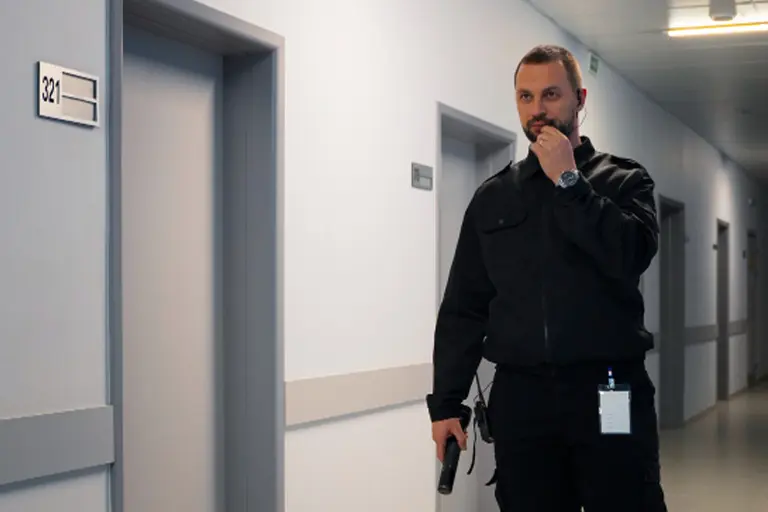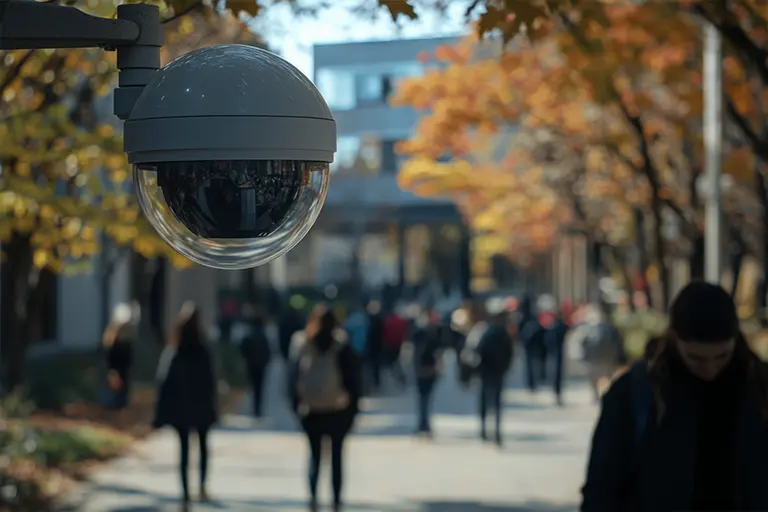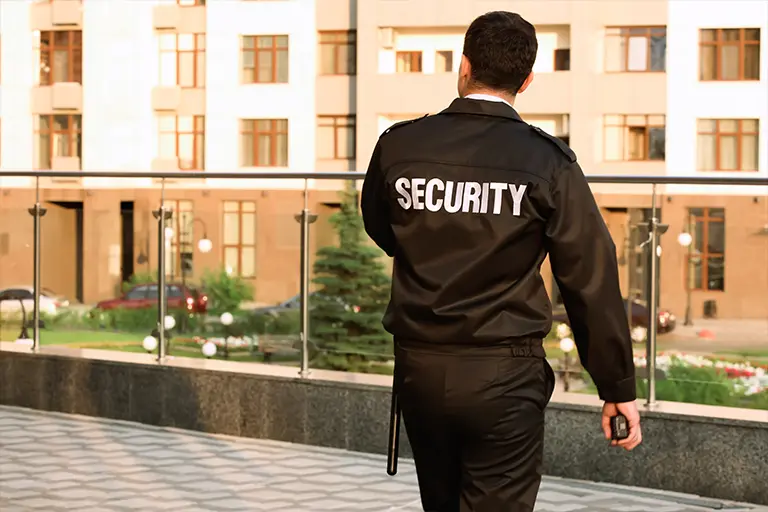
Campus Security Services
Campus Security: How Universities Can Create Safer, More Secure Campuses
Modern university campuses are complex environments. Thousands of students, staff, contractors and visitors can move through lecture buildings, libraries, laboratories, accommodation, sports facilities, car parks and public spaces every day.
Keeping all of those people, buildings and assets safe requires a very different approach from securing a conventional commercial property.
Effective campus security is about more than placing security officers at entrances. It combines people, procedures and technology to prevent incidents, identify emerging risks and provide a rapid response when something goes wrong. At the same time, security measures must allow universities to remain open, accessible and welcoming places in which people can study, work and socialise.
That balance is one of the biggest challenges facing university security teams.
A campus may need to manage unauthorised access, theft, anti-social behaviour, student welfare incidents, late-night activity, public events, demonstrations and emergency situations, sometimes all within the same 24-hour period. The security requirements of student accommodation may also be very different from those of a research laboratory, library or administration building.
The challenge becomes even greater because campus activity changes throughout the academic year. Freshers’ Week, examinations, graduations, open days and university holidays can each create very different security demands.
As a result, successful campus security requires a layered approach that brings together visible security officers, patrols, access control, CCTV, incident reporting, emergency procedures and close cooperation with university staff.
In this guide, we explore how campus security works, the main risks facing universities and the measures institutions can use to create safer environments for students, staff and visitors.
For universities looking for professional security support, Leisure Guard Security also provides tailored University Security Services for campuses and higher-education estates across the UK.
What Is Campus Security?
Campus security is the combination of people, procedures and technology used to protect students, staff, visitors, buildings and assets across a university or higher-education estate.
Unlike security at a single commercial property, university campuses can include many different environments operating at the same time. These may include teaching buildings, laboratories, libraries, student accommodation, sports facilities, offices, car parks, outdoor spaces and venues used for public events.
Because of this, campus security usually involves several layers of protection rather than relying on one single measure.
These can include:
- Security officers and campus patrols
- Access control and visitor management
- CCTV monitoring
- Student accommodation security
- Keyholding and alarm response
- Emergency procedures
- Incident reporting
- Event security
- Out-of-hours security
- Welfare and reassurance support
A strong campus security strategy should also reflect how the university actually operates. A busy city-centre campus may face very different challenges from a large out-of-town university with extensive grounds, multiple halls of residence and several satellite buildings.
The role of campus security is therefore not simply to prevent crime. It is also to help universities identify risks, respond to incidents, support vulnerable people and maintain a safe environment throughout the academic year.
Campus Security Is About Prevention as Well as Response
The most effective security measures are often those that prevent an incident from happening in the first place.
Visible patrols, controlled access, well-monitored CCTV and clear reporting procedures can all help deter unwanted activity and identify issues before they become more serious.
When an incident does occur, a well-prepared campus security team should also have clear procedures for escalation, communication and response.
This combination of prevention, visibility and rapid response is what makes campus security an important part of the wider university environment.
University Security Is About People, Not Just Buildings
Securing a university campus is very different from protecting a warehouse, office building or construction site.
Most commercial sites are designed around controlled access, defined working hours and a relatively predictable group of employees, contractors and visitors. Universities are much more open and dynamic.
Students may enter and leave buildings throughout the day and night. Members of the public may attend events, use facilities or visit the campus. Contractors, delivery drivers, researchers, lecturers, visitors and temporary staff may all require different levels of access.
At the same time, universities need to remain welcoming environments.
An overly restrictive security presence can affect the atmosphere of a campus, while insufficient security can leave people, buildings and assets exposed to unnecessary risk. Effective campus security therefore depends on finding the right balance between accessibility and protection.
A Campus Can Operate Like a Small Town
Large university estates often contain many of the same environments found within a small town.
A single campus may include:
- Residential accommodation
- Restaurants and cafés
- Retail outlets
- Libraries
- Laboratories
- Offices
- Sports centres
- Entertainment venues
- Car parks
- Pedestrian routes
- Public spaces
- Medical or welfare facilities
Each area can have its own security requirements.
A laboratory containing specialist equipment may require tightly controlled access, while a student union may need additional support during busy evening events. Halls of residence can require security throughout the night, while libraries may see increased demand during examination periods.
This variety makes a one-size-fits-all approach to university security ineffective.
Security Officers Need a Wider Skill Set
Campus security officers may also be expected to deal with a much broader range of situations than officers working at many conventional commercial sites.
During a single shift, an officer could be required to:
- Challenge someone attempting to enter a restricted area
- Respond to a theft or security alarm
- Assist a student who feels unsafe
- Deal with disruptive or anti-social behaviour
- Support a welfare incident
- Provide directions to visitors
- Attend an incident in student accommodation
- Assist university staff during an emergency
- Support a major event
- Liaise with police, ambulance or fire services
This requires professionalism, good judgement and strong communication skills alongside traditional security capabilities.
An Open Environment Requires Layered Security
Universities cannot always rely on locked doors and restricted entry points.
Instead, effective campus security often combines several measures, including visible officers, patrols, CCTV, access control, incident reporting and clear emergency procedures.
Each layer supports the others.
For example, CCTV may identify suspicious behaviour, a patrol officer may investigate it, access-control records may provide additional information, and digital incident reporting can create an accurate record of what happened.
This layered approach allows universities to maintain an open campus while still providing appropriate levels of protection.
Student Safety Changes the Security Dynamic
Universities also have a responsibility to consider the safety and welfare of large student populations.
Many students may be living away from home for the first time, and campus security teams can become an important source of reassurance, particularly during evenings and overnight periods.
This means the role is not purely about enforcement.
Approachability, communication and the ability to recognise when someone may require additional support can be just as important as responding to criminal or security-related incidents.
Ultimately, effective campus security combines protection, prevention and reassurance in a way that reflects the unique character of university life.

What Does a Campus Security Officer Do?
A campus security officer helps protect students, staff, visitors, buildings and assets across a university estate.
The role can vary significantly from one campus to another. On some sites, officers may focus heavily on access control and patrols. On others, they may also support student welfare, events, accommodation, emergency response and late-night campus activity.
This makes campus security a much broader role than simply standing at an entrance or monitoring a reception desk.
Providing a Visible Security Presence
One of the most important functions of a campus security officer is visibility.
A professional security presence can help deter theft, anti-social behaviour and unauthorised access while also giving students and staff a clear point of contact if they need help.
Visible patrols can be particularly valuable in:
- Car parks
- Student accommodation
- Quiet pedestrian routes
- Libraries
- External areas
- Building entrances
- Late-night study spaces
Security visibility can also provide reassurance to students and staff travelling around campus outside normal teaching hours.
Carrying Out Campus Patrols
Patrols allow officers to identify potential problems before they develop into more serious incidents.
During a patrol, an officer may check:
- Doors and access points
- Restricted areas
- Fire exits
- Car parks
- Cycle storage
- Student accommodation
- External boundaries
- Empty or low-occupancy buildings
- Areas affected by previous incidents
Patrol routes can also be adjusted around known risks, changing activity levels and different periods of the academic year.
Managing Access and Visitors
University campuses can receive a constant flow of students, employees, contractors, delivery drivers and visitors.
Campus security officers may support access procedures by checking identification, managing visitor entry, monitoring restricted areas and challenging people who appear to be somewhere they should not be.
The aim is to maintain security without creating unnecessary barriers for legitimate campus users.
Responding to Incidents
Campus security officers may be among the first people to attend when something goes wrong.
Incidents can include:
- Theft
- Anti-social behaviour
- Aggressive behaviour
- Security alarms
- Property damage
- Unauthorised access
- Medical emergencies
- Welfare concerns
- Suspicious activity
- Lost or vulnerable individuals
A clear response procedure helps officers assess the situation, take appropriate action and escalate the incident where necessary.
Supporting Student Welfare
Security officers are often highly visible members of the campus community and may encounter students who are distressed, vulnerable or in need of assistance.
Their role is not to replace university welfare or medical services, but they can provide immediate support, help keep an individual safe and contact the appropriate university team or emergency service when required.
This makes communication, empathy and sound judgement particularly important in a university environment.
Supporting Student Accommodation
Halls of residence can create a different set of security challenges, particularly during evenings and weekends.
Campus security officers may help manage:
- Unauthorised visitors
- Noise complaints
- Anti-social behaviour
- Welfare concerns
- Access issues
- Disputes between residents
- Emergency incidents
Security in accommodation needs to balance effective control with the fact that these buildings are also students’ homes.
Assisting During Emergencies
During a major incident, campus security officers can support wider university emergency procedures.
Depending on the circumstances, this may include controlling access, directing people away from an area, supporting evacuation or invacuation procedures, communicating with university management and assisting emergency services.
Clear responsibilities and escalation procedures are essential so that officers understand exactly what is expected of them.
Recording and Reporting Incidents
Accurate reporting is another important part of the role.
Incident reports can help universities understand what happened, identify recurring problems and improve future security measures.
Good reporting can also create an audit trail showing:
- When an incident occurred
- Where it happened
- Who attended
- What action was taken
- Whether the incident was escalated
- What follow-up may be required
Over time, this information can help security managers identify patterns and allocate resources more effectively.
More Than a Traditional Guarding Role
A campus security officer may need to move between deterrence, customer service, welfare support and incident response throughout the same shift.
That variety is one of the reasons campus security requires officers who can communicate effectively, make sound decisions and adapt their approach to the situation in front of them.
On a university campus, the strongest security presence is often one that is both capable and approachable.
Review Your Campus Security Arrangements
Every university has a different mix of buildings, people and security risks. Leisure Guard Security can work with your team to identify where additional support may be needed across your campus or wider estate.
From security officers and patrols to student accommodation, events and out-of-hours cover, we can build a solution around the way your university operates.
The Main Security Risks Facing University Campuses
University campuses face a wide range of security risks because they combine open public access, valuable assets, residential accommodation and activity that can continue late into the night.
The level of risk can also change considerably depending on the location, time of day and point in the academic year.
For example, a busy teaching building may present relatively few concerns during the middle of the day but become vulnerable once it is largely empty. Student accommodation may be quiet during lectures but become much busier during evenings and weekends.
Effective campus security therefore begins with understanding where risks are most likely to occur and how they should be managed.
| Security Risk | Areas Commonly Affected | Potential Security Response |
|---|---|---|
| Unauthorised Access | Academic buildings, laboratories, accommodation and restricted areas | Access control, ID checks, CCTV and security officers |
| Theft | Libraries, cycle stores, accommodation and car parks | Patrols, CCTV, secure access and incident reporting |
| Anti-Social Behaviour | Student accommodation, social areas and external spaces | Visible security, patrols and early intervention |
| Student Welfare Incidents | Accommodation, libraries, social spaces and external areas | Trained officers, escalation procedures and welfare support |
| Violence or Conflict | Events, accommodation and student venues | De-escalation, security response and emergency escalation |
| Vandalism | External areas, buildings and car parks | Patrols, CCTV, reporting and rapid response |
| Vehicle Crime | University car parks and surrounding areas | CCTV, patrols and access controls |
| Suspicious Activity | Public areas, events and building entrances | Monitoring, reporting, investigation and escalation |
| Lone Working Risks | Laboratories, offices, libraries and maintenance areas | Check-in procedures, patrols and emergency contact arrangements |
| Major Incidents | Entire campus | Emergency procedures, communication and coordinated response |
Unauthorised Access
One of the biggest challenges for university security teams is controlling access without making the campus unnecessarily restrictive.
Universities can receive thousands of legitimate visitors every day, making it difficult to immediately identify someone who should not be there.
Certain areas require tighter controls than others.
Research laboratories, plant rooms, offices containing sensitive information and student accommodation may all need greater protection than general teaching spaces.
A combination of electronic access control, CCTV, visitor procedures and visible security officers can help reduce the risk of unauthorised entry.
Theft and Property Crime
Universities contain large numbers of portable and high-value items.
Students regularly carry laptops, mobile phones and other technology, while university buildings may contain specialist equipment, research materials and expensive IT systems.
Bicycles can also represent a significant target where large numbers are stored together.
Campus security measures can help reduce opportunities for theft through:
- Visible patrols
- CCTV monitoring
- Secure cycle storage
- Controlled building access
- Good lighting
- Rapid incident reporting
The aim is not only to respond after property has been stolen, but to make theft more difficult in the first place.
Anti-Social Behaviour
University campuses can experience anti-social behaviour in the same way as other busy public environments.
Noise, alcohol-related incidents, vandalism, aggressive behaviour and groups gathering in inappropriate areas can all create problems.
Early intervention is often important.
A visible security presence can discourage behaviour from escalating while giving university staff and students somewhere to turn when an issue develops.
Student Welfare Concerns
Not every incident encountered by a campus security team is a criminal matter.
Officers may come across students who are distressed, intoxicated, lost, vulnerable or otherwise in need of support.
Clear procedures should help officers determine when an incident can be managed on site and when it needs to be escalated to university welfare teams, medical services or emergency responders.
The ability to recognise vulnerability and respond appropriately is an important part of modern campus security.
Violence and Conflict
Although serious incidents may be relatively uncommon, universities need procedures for dealing with aggressive behaviour, disputes and violence.
These incidents may arise within student accommodation, during events or following alcohol consumption.
Well-trained officers can help by intervening early, using de-escalation where appropriate and requesting additional assistance when necessary.
Car Parks and Vehicle Crime
University car parks can contain hundreds or even thousands of vehicles and may be relatively quiet during evenings or weekends.
This can create opportunities for theft, criminal damage and unauthorised access.
CCTV, lighting, mobile patrols and controlled vehicle access can all form part of the security strategy for campus car parks.
Lone Working and Late-Night Risks
University activity often continues long after normal working hours.
Researchers may remain in laboratories, students may study late in libraries and maintenance or cleaning teams may work when buildings are largely empty.
During these periods, reduced footfall can make people feel more vulnerable and increase the importance of a reliable security response.
Regular patrols, clear contact procedures and fast escalation routes can all help provide additional reassurance.
Protests, Demonstrations and High-Profile Events
Universities frequently host public speakers, political events, debates and demonstrations.
These activities can attract large numbers of people and occasionally create additional security challenges.
The objective should be to support a safe environment while allowing legitimate university activity to continue.
This may require additional officers, controlled access, crowd management and close communication with university management.
Emergencies and Major Incidents
Campus security teams must also be prepared for situations that go beyond routine security incidents.
These can include fires, serious medical emergencies, suspicious packages or other major events requiring a coordinated response.
In these situations, preparation matters.
Security officers should understand emergency procedures, communication routes and their responsibilities within the university’s wider incident-management plan.
Risk Changes Across the Campus
One of the most important principles of campus security is that risk is rarely evenly distributed.
A university may have relatively low-risk teaching areas alongside higher-risk locations such as accommodation, laboratories, isolated car parks or busy event venues.
Understanding these differences allows universities to focus resources where they are most effective rather than applying the same security measures everywhere.
Protecting Students, Staff and Visitors
A university campus is used by many different groups of people, and each can have different security needs.
Students may be living away from home for the first time. Staff may be working late in offices or laboratories. Contractors and delivery drivers may need temporary access to restricted areas. Visitors may be unfamiliar with the site altogether.
Effective campus security needs to take all of these groups into account.
Protecting Students
Students are at the centre of university life, and their safety is one of the most important considerations for any campus security strategy.
Security measures can help support students by providing:
- Visible patrols across campus
- Reassurance during late-night travel
- Support in student accommodation
- Rapid response to incidents
- Help during welfare concerns
- Assistance when students feel unsafe
- Clear points of contact during emergencies
A strong security presence can also help students feel more confident using libraries, study spaces and campus facilities outside normal teaching hours.
Protecting University Staff
University employees can face different risks from students.
Academic staff, researchers, cleaners, estates teams and maintenance personnel may all work at times when buildings are relatively quiet.
Some employees may also work alone in laboratories, offices or technical areas.
Campus security can support staff through regular patrols, emergency contact procedures, access control and a clear response route if something goes wrong.
Protecting Visitors and Members of the Public
Universities are often open environments.
Parents, prospective students, conference delegates, suppliers, contractors and members of the public may all visit the campus for legitimate reasons.
This means security cannot simply treat unfamiliar people as a threat.
Instead, visitor management should help identify who is on site, where they are permitted to go and whether they require additional assistance.
A professional security presence can also improve the visitor experience by providing directions, supporting reception areas and helping people navigate unfamiliar buildings.
Supporting Vulnerable People
Campus security teams may occasionally encounter people who are vulnerable, distressed or in need of additional help.
This can include students experiencing a welfare concern, visitors who become unwell or individuals who appear confused or disorientated.
Security officers should understand when to provide immediate assistance and when to escalate the situation to university welfare teams, medical services or emergency responders.
This ability to recognise vulnerability is an important part of modern campus security.
Creating Reassurance Without Creating Barriers
One of the biggest challenges for universities is providing enough security to make people feel safe without making the campus feel restricted.
Students and staff should be able to move around freely, while security teams retain the ability to identify and respond to genuine risks.
This is why visible, approachable security officers can be particularly effective.
They provide a deterrent to unwanted behaviour while remaining accessible to people who need help.
Different People, Different Security Needs
The strongest campus security strategies recognise that a university is not one single environment.
A student returning to accommodation at midnight, a researcher working alone in a laboratory and a family attending an open day may all need different forms of support.
By understanding these differences, universities can create a security approach that protects people while still preserving the open and welcoming character of campus life.
Campus Patrols and Visible Security
Visible security is one of the simplest and most effective ways to improve reassurance across a university estate.
A well-planned campus patrol can help deter unwanted behaviour, identify problems early and provide students and staff with a clear point of contact if they need assistance.
The value of patrols is not simply in being seen. It is in being present in the right places, at the right times and with a clear understanding of what officers should be looking for.
Foot Patrols Across the Campus
Foot patrols are particularly useful in areas with high pedestrian activity, such as:
- Student accommodation
- Libraries
- Teaching buildings
- Outdoor walkways
- Social spaces
- Car parks
- Cycle storage areas
- Building entrances
- Late-night routes across campus
Walking patrols allow officers to observe their surroundings closely, interact with students and staff and notice issues that may be missed through remote monitoring alone.
They can also provide reassurance in quieter areas, particularly during evenings and overnight periods.
Mobile Patrols for Larger University Estates
Some campuses are too large to be covered effectively on foot alone.
Mobile patrols can help security teams move quickly between buildings, car parks, accommodation blocks and satellite locations.
This can be especially useful for:
- Multi-site campuses
- Large external areas
- Remote buildings
- Overnight checks
- Alarm response
- Perimeter patrols
- Out-of-term security
A combination of foot and mobile patrols can provide broader coverage while still maintaining a visible presence where people are most likely to need support.
Patrol Routes Should Be Risk-Led
Security patrols should not simply follow the same route at the same time every day.
Predictable patrol patterns can reduce their effectiveness and may leave some areas under-monitored.
Instead, patrol activity should be informed by risk.
This can include:
- Previous incidents
- Areas with limited natural surveillance
- Poorly lit routes
- High-value equipment
- Restricted buildings
- Student accommodation
- Busy nightlife periods
- Known anti-social behaviour hotspots
- Quieter areas during holidays
Using incident data and local knowledge can help security managers adjust patrols as conditions change.
Visible Security as a Deterrent
The presence of security officers can discourage opportunistic behaviour.
Someone considering theft, unauthorised access or vandalism may be less likely to act if they know the campus is actively monitored.
This is particularly important in areas where CCTV alone may not provide the same immediate sense of presence.
Visible patrols also demonstrate that security is active rather than purely reactive.
Visible Security as Reassurance
Deterrence is only one side of the role.
For students and staff, seeing a security officer nearby can provide reassurance, particularly at night or in quieter parts of the campus.
This can be valuable for:
- Students leaving libraries late
- Staff working outside normal hours
- People walking to car parks
- Residents returning to accommodation
- Visitors unfamiliar with the campus
The most effective officers are visible without being intrusive and approachable without losing authority.
Combining Patrols With Technology
Patrols become more effective when they work alongside other security measures.
CCTV may identify a suspicious person or incident, while a nearby officer can investigate. Access-control data can help establish whether someone has entered a restricted building, while patrol records can confirm when an area was last checked.
Digital patrol systems can also provide evidence that scheduled checks have taken place and help security managers identify gaps in coverage.
A Visible Presence Where It Matters Most
There is little value in placing officers where they are unlikely to encounter the risks the university is trying to manage.
Effective campus security patrols should be based on how the estate is actually used.
That means reviewing footfall, incident history, operating hours and changing patterns of activity so that security teams can concentrate their presence where it will have the greatest effect.
Access Control Across an Open Campus
Access control is one of the most important parts of campus security, but it can also be one of the most difficult to manage.
Universities are designed to be accessible. Students move between buildings, staff work across different departments, visitors attend events and contractors may need temporary access to specific areas.
At the same time, not every part of a campus should be open to everyone.
Laboratories, plant rooms, offices, student accommodation, server rooms and research facilities may all require tighter controls.
The challenge is to create a system that protects sensitive areas without making the wider campus feel unnecessarily restrictive.
Different Areas Need Different Levels of Access
A university estate can contain many different types of buildings, each with its own level of risk.
For example:
- Lecture buildings may need relatively open access during the day
- Student accommodation may require controlled resident entry
- Laboratories may need restricted access at all times
- Offices may only be accessible to authorised staff
- Plant and utility areas may require specialist permissions
- Event spaces may need temporary access arrangements
- Libraries may operate extended opening hours with different rules overnight
This means access control should be proportionate to the purpose and risk profile of each area.
ID Cards and Electronic Access Systems
Many universities use ID cards, fobs or electronic entry systems to control access. These systems can help determine who is allowed into specific buildings and when. They can also create useful records of access activity, which may help during an investigation if an incident occurs. However, technology is most effective when it is supported by clear procedures. Lost cards, expired permissions, tailgating and unauthorised sharing of access credentials can all weaken an otherwise strong system.
Preventing Tailgating
Tailgating occurs when an unauthorised person follows someone through a controlled entrance without using their own credentials. This can be difficult to prevent on busy campuses where large numbers of people enter buildings at the same time. Security officers, reception teams, access-control systems and staff awareness can all help reduce the risk. The aim should be to challenge suspicious access appropriately without creating unnecessary confrontation.
Managing Visitors and Contractors
Universities often receive large numbers of visitors who may need temporary access to buildings or restricted areas.
A clear visitor management process can help establish:
- Who the visitor is
- Why they are on site
- Which areas they are allowed to access
- Who is responsible for them
- How long they are expected to remain on campus
Contractors may require additional checks, particularly if they are working in sensitive or high-risk areas.
Student Accommodation Access
Access control is especially important in halls of residence.
These buildings are both part of the university estate and students’ homes, so security needs to be effective without becoming overly intrusive.
Common measures can include:
- Controlled entry systems
- Visitor procedures
- Security patrols
- Reception or concierge support
- CCTV in communal areas
- Clear escalation routes for access issues
Unauthorised visitors can create both security and welfare concerns, particularly during evenings and weekends.
Access Control Should Be Easy to Understand
A system can only work properly if people understand it.
Students, staff and visitors should know which areas are restricted, what identification is required and who to contact if they experience an access problem.
Clear signage, communication and consistent enforcement can help reduce confusion and improve compliance.
Balancing Security With University Life
Good access control should feel proportionate.
It should protect sensitive areas, reduce opportunities for unauthorised entry and support incident investigation, while still allowing legitimate campus activity to continue smoothly.
That balance is central to effective university campus security.
The objective is not to lock down the campus, but to make sure the right people can access the right places at the right time.
Need Additional University Security Support?
Whether you need to strengthen an existing in-house team, provide temporary cover or outsource part of your campus security operation, Leisure Guard Security can provide flexible support across the UK.
Speak to our team about your current arrangements, upcoming requirements and the areas where you need additional protection.
Student Accommodation and Halls Security
Student accommodation presents a very different security challenge from academic buildings.
Halls of residence are part of the university estate, but they are also students’ homes. That means security needs to protect residents without making the environment feel overly controlled.
The busiest periods are often evenings and weekends, when academic buildings are quieter but residential areas become more active.
Common Security Issues in Student Accommodation
Typical concerns can include:
- Unauthorised visitors
- Tailgating through controlled entrances
- Noise and anti-social behaviour
- Alcohol-related incidents
- Welfare concerns
- Theft from communal areas
- Damage to property
- Disputes between residents
- Lost keys or access cards
- Late-night emergencies
Because these incidents can involve both security and student welfare, officers working in accommodation need to use judgement as well as authority.
Managing Access to Halls of Residence
Controlled entry is one of the most important parts of student accommodation security.
Residents should be able to access their building easily, while unauthorised visitors are prevented from entering without permission.
Security measures may include:
- Electronic access control
- Reception or concierge support
- Visitor procedures
- CCTV in communal areas
- Security patrols
- Clear reporting processes
The exact arrangement will depend on the size, layout and operating model of the accommodation.
Supporting Students at Night
Many incidents in student accommodation occur outside normal office hours. This makes overnight security particularly important. Students may need help because they have lost access, feel unsafe, are dealing with disruptive behaviour or are concerned about another resident. A visible and approachable security presence can provide reassurance while also giving accommodation teams a clear route for escalation.
Welfare and Safeguarding Considerations
Not every incident in halls is a security matter. Officers may encounter students who are distressed, intoxicated, vulnerable or in need of urgent support. Security staff should therefore understand when an issue needs to be passed to university welfare teams, accommodation staff, medical services or the emergency services. This is one of the clearest examples of why campus security requires more than a traditional guarding mindset.
Protecting Communal Areas and Property
Communal spaces such as kitchens, lounges, cycle stores and entrances can be more vulnerable to theft or damage because they are used by large numbers of people.
Regular patrols, CCTV and controlled access can help reduce opportunities for crime and create a clearer record if an incident occurs.
Security That Respects the Residential Environment
Security in student accommodation should feel proportionate. Residents need to feel safe, but they also need privacy and independence. The strongest arrangements are usually those that combine effective access control, visible support and clear escalation procedures without making halls feel institutional or unnecessarily restrictive.
Late-Night Campus Security
University campuses can remain active long after normal teaching hours have finished.
Students may be studying in libraries, researchers may be working in laboratories, cleaners and maintenance teams may still be on site, and residents may be moving between accommodation and social spaces late into the evening.
As overall footfall falls, some areas can become quieter and more isolated.
That changes the security environment.
Why Risk Can Increase After Hours
During the day, busy campuses benefit from natural surveillance. Large numbers of people moving through buildings and public spaces can make suspicious behaviour easier to notice.
At night, that visibility reduces.
Potential concerns can include:
- Isolated walking routes
- Quiet car parks
- Reduced staffing
- Lone workers
- Empty teaching buildings
- Late-night library users
- Student accommodation incidents
- Unauthorised access
- Theft or vandalism in quieter areas
This is why late-night campus security should be planned differently from daytime security.
Visible Patrols During Quieter Periods
Regular evening and overnight patrols can provide both deterrence and reassurance.
Security officers can check buildings, external routes, car parks and accommodation while remaining available to respond if students or staff need help.
Patrol activity can also be increased around known higher-risk locations or periods of repeated incidents.
Supporting Lone Workers
University staff do not always work conventional hours.
Researchers, technicians, estates teams, cleaners and other employees may sometimes work alone in buildings that are largely empty.
A strong out-of-hours security plan can support lone workers through:
- Check-in procedures
- Scheduled patrols
- Emergency contact arrangements
- Rapid escalation procedures
- Access monitoring
- Clear instructions for reporting concerns
The objective is to ensure that someone working alone has a reliable way to summon help if required.
Safer Routes Across Campus
The journey between buildings can become an important security consideration after dark.
Routes between libraries, accommodation, car parks and transport points should be considered when planning patrol activity and other security measures.
Good lighting, CCTV coverage and visible security can all help improve reassurance in these areas.
Security teams can also use incident reports and feedback from students or staff to identify locations where people regularly feel less safe.
Car Parks and Transport Areas
University car parks can become particularly quiet at night.
Students and staff returning to vehicles after dark may feel vulnerable, while reduced activity can also create opportunities for theft or criminal damage.
Mobile or foot patrols can help maintain visibility and provide a faster response if an incident occurs.
Extended-Hours Libraries and Study Spaces
Many universities extend library opening hours during busy academic periods.
This creates additional security considerations because students may remain on campus late into the night or early morning.
Security teams may need to support building access, monitor surrounding areas and provide reassurance to people leaving the facility during quieter hours.
Rapid Response Matters More at Night
When fewer people are present, security teams may become one of the main points of contact during an incident.
Clear escalation procedures are therefore essential.
Officers should know who to contact, how to request additional support and what steps to take during security, welfare or medical incidents.
Campus Security Does Not End When Teaching Finishes
A campus that feels busy and secure during the day can feel very different late at night.
Effective out-of-hours campus security recognises that change and adjusts patrols, staffing and response arrangements accordingly.
The aim is to maintain protection and reassurance even when the university is operating at its quietest.
CCTV and Technology in Campus Security
Technology plays an increasingly important role in modern campus security, particularly across large university estates where it may be impossible for security officers to maintain a physical presence in every location.
CCTV, electronic access control, alarm systems and digital reporting tools can help security teams monitor activity, identify incidents and respond more effectively.
However, technology works best when it forms part of a wider security strategy.
A camera can detect suspicious activity, but it cannot physically intervene. An access-control system can prevent someone opening a door, but it cannot always determine why they are trying to enter.
The strongest campus security arrangements therefore combine technology with trained people, clear procedures and effective communication.
CCTV Across University Campuses
CCTV can provide valuable visibility across areas including:
- Building entrances
- Car parks
- Cycle storage
- Reception areas
- External walkways
- Student accommodation communal areas
- High-value facilities
- Public spaces
- Event venues
Cameras can help security teams identify unusual behaviour, review incidents and direct officers to locations where assistance may be required.
The value of CCTV increases considerably when there is a clear process for responding to what is being observed.
How Technology Supports Campus Security
Different security technologies perform different roles across a university estate.
A layered approach allows these systems to work together rather than operating independently.
| Security Technology | How It Is Used | Campus Security Benefit |
|---|---|---|
| CCTV | Monitors entrances, external areas, car parks, communal spaces and higher-risk locations | Improves visibility, supports incident detection and provides evidence for investigations |
| Electronic Access Control | Controls entry to buildings, accommodation, laboratories and restricted areas | Helps ensure that only authorised people can access specific parts of the campus |
| Intruder Alarms | Detects unauthorised entry or activity within protected buildings | Allows security teams to investigate activations and respond quickly |
| Digital Patrol Systems | Records security checks and patrol activity across designated locations | Provides greater visibility of patrol coverage and helps identify gaps |
| Digital Incident Reporting | Records incidents, actions, locations and outcomes in a consistent format | Helps identify patterns, recurring risks and opportunities to improve security |
| Intercoms and Help Points | Give students, staff and visitors a direct way to contact security | Provides reassurance and allows faster communication during incidents |
| Alarm and Control Room Integration | Brings alerts, CCTV and security communications into a central response point | Supports faster decision-making and coordinated incident response |
Electronic Access Control
Electronic access systems can help universities control who can enter particular buildings and areas.
Student and staff ID cards, fobs or other credentials can be configured so that different groups have different permissions.
For example, a student may have access to general teaching areas while researchers have additional permissions for laboratories or specialist facilities.
Access permissions can also change depending on the time of day.
This provides universities with greater control than relying solely on physical keys.
Intruder and Security Alarms
Alarm systems can provide additional protection when buildings are unoccupied or access is restricted.
An activation can alert campus security teams to possible unauthorised entry, allowing an officer or response team to investigate.
Where universities operate multiple buildings, clear alarm-response procedures are especially important so that teams understand which incidents require immediate attendance and how they should be escalated.
Digital Patrol Monitoring
Technology can also help universities understand how security patrols are being carried out.
Digital patrol systems may allow officers to record checks at designated locations throughout the estate.
This can help security managers:
- Confirm that important areas have been inspected
- Identify missed patrol points
- Review patrol frequency
- Demonstrate service delivery
- Adjust routes around emerging risks
The purpose should not simply be to monitor officers, but to generate useful information that can improve campus security coverage.
Digital Incident Reporting
Paper incident logs can make it difficult to identify patterns across a large university estate.
Digital reporting systems allow incidents to be recorded consistently and reviewed over time.
This can help security teams identify:
- Repeat locations
- Recurring types of incident
- Particular times when incidents increase
- Buildings requiring additional attention
- Trends in anti-social behaviour
- Areas where patrols may need to increase
Turning individual incident reports into usable data allows universities to make more informed security decisions.
Technology Should Support People, Not Replace Them
Technology can significantly improve situational awareness, but it does not remove the need for trained security personnel.
A CCTV operator may identify an incident, but an officer may still be required to attend.
An access-control system may show that a door has been forced, but someone needs to investigate.
An alarm may indicate an intrusion, but it cannot assess the circumstances on its own.
This is why effective campus security usually combines technology with people.
Building a Connected Campus Security System
The greatest benefit comes when different security measures work together.
Imagine CCTV identifying suspicious behaviour near a restricted building. The control room alerts a nearby patrol officer, access-control records are checked and the officer attends the location. The incident is then recorded digitally, allowing security managers to review what happened later.
Each individual component has value.
Together, they create a much stronger security system.
For universities, the objective should therefore be to build a connected security environment where officers, CCTV, access control, alarms and reporting systems support one another rather than operating as separate functions.
Responding to Student Welfare Incidents
Campus security teams are often among the first people called when a student is distressed, vulnerable or in need of immediate help.
That does not make security officers counsellors or medical professionals, but it does mean they can play an important role in recognising when someone may be at risk, keeping the situation calm and escalating it to the right university or emergency service.
This is one of the areas where campus security differs most clearly from traditional guarding.
Welfare Concerns Can Take Many Forms
A student welfare incident may involve:
- A student who appears distressed or disorientated
- Someone who is intoxicated and vulnerable
- A student who feels unsafe returning to accommodation
- Concerns raised by friends or flatmates
- A person who has become unwell on campus
- A student who is lost or unable to access accommodation
- A vulnerable person found alone late at night
- Behaviour suggesting that additional support may be needed
The appropriate response will depend on the circumstances.
Security Officers Need Clear Escalation Procedures
Officers should know exactly what to do when a welfare concern is identified.
This may include contacting:
- University welfare teams
- Accommodation staff
- Duty managers
- First aiders
- Medical services
- Police or other emergency services
Clear escalation routes reduce uncertainty and help ensure that vulnerable people receive the right support as quickly as possible.
Communication Matters
The way an officer communicates during a welfare incident can make a significant difference.
A calm, respectful approach can help reduce tension and make it easier to understand what has happened.
Security officers should also avoid making assumptions about the person involved and focus instead on immediate safety, clear communication and appropriate escalation.
Protecting Privacy and Dignity
Welfare incidents can involve sensitive personal circumstances.
Where possible, officers should manage the situation discreetly and avoid drawing unnecessary attention to the individual.
Information should only be shared with the people who need it in order to respond appropriately.
Welfare Support Is Part of Campus Reassurance
Students are more likely to trust campus security when officers are seen as approachable and helpful rather than purely enforcement-focused.
That trust can encourage students to report concerns earlier, ask for help when they feel unsafe and engage more positively with security teams.
Security Should Connect Into the Wider University Support Network
The strongest approach is one where campus security is integrated with the wider university support structure.
Security teams should understand who is available, how to contact them and what information needs to be passed on.
This allows officers to act as a practical link between an immediate incident and the specialist support services that may be required next.
Campus Security During Freshers’ Week
Freshers’ Week is one of the busiest and most demanding periods in the university calendar.
Thousands of new students may arrive within a short space of time, often accompanied by family members, vehicles, luggage and deliveries. At the same time, campuses host induction sessions, social events, student union activities and extended evening programmes.
For security teams, this creates a very different operating environment from normal term time.
Why Freshers’ Week Creates Additional Security Pressure
New students are still learning how the campus works.
They may not know:
- Which buildings they can access
- Where accommodation entrances are located
- How to contact campus security
- Which routes are safest at night
- Where visitors are permitted
- How university emergency procedures work
This unfamiliarity can increase the need for visible support and clear communication.
Increased Footfall and Access Challenges
Move-in periods can place significant pressure on accommodation blocks, car parks and building entrances.
Security teams may need to manage:
- Large numbers of vehicles
- Temporary access arrangements
- Residents moving into halls
- Family members and visitors
- Deliveries
- Restricted access points
- Busy reception areas
A strong security presence can help maintain order without making the process feel unnecessarily restrictive.
Evening Events and Social Activity
Freshers’ Week often includes a high concentration of evening events, parties and student union activity.
That can increase the likelihood of:
- Anti-social behaviour
- Alcohol-related incidents
- Disputes
- Lost or vulnerable students
- Unauthorised visitors
- Noise complaints
- Welfare concerns
Additional security officers can help provide early intervention and support existing university teams during the busiest periods.
Supporting Student Accommodation
Halls of residence are particularly important during Freshers’ Week because large numbers of students are living in a new environment for the first time.
Security teams may need to provide additional support around:
- Building access
- Visitor management
- Late-night incidents
- Welfare concerns
- Lost keys or access cards
- Anti-social behaviour
- Emergency response
An approachable security presence can be especially valuable when students are still learning where to go for help.
Reassurance and Visibility
Freshers’ Week security should not feel confrontational.
For many students, this is their first experience of the university and possibly their first time living away from home.
Security officers can contribute positively by being visible, approachable and able to provide practical assistance as well as respond to incidents.
This can help students become familiar with campus security as a source of support rather than simply enforcement.
Scaling Security for a Short-Term Peak
Universities do not necessarily need the same level of additional security throughout the entire academic year.
Freshers’ Week is a good example of why flexible security provision can be valuable.
Additional officers, patrols or event teams can be deployed for a defined period and then reduced once normal campus activity resumes.
This allows universities to strengthen campus security during Freshers’ Week without permanently increasing staffing levels.
Starting the Academic Year With the Right Security Presence
The first few days of university life can shape how safe and supported students feel on campus.
A well-planned security presence helps manage the increased activity, supports university staff and provides reassurance during what can otherwise be a very intense transition period.
For many universities, Freshers’ Week is one of the clearest examples of why campus security needs to be flexible, visible and responsive.
Open Days, Graduations and University Event Security
Universities regularly host events that bring large numbers of people onto campus who may be unfamiliar with the site.
Open days, graduations, conferences, sporting fixtures, public lectures and student events can all create temporary increases in footfall, traffic and access requirements.
These events can be positive showcases for the university, but they also create additional pressure on campus security.
Open Days
Open days can attract thousands of prospective students and family members.
Visitors may need help finding buildings, parking areas, registration points and event spaces, while some parts of the campus may need to remain restricted.
Security support can help with:
- Visitor flow
- Access control
- Car park management
- Building entrances
- Directions and reassurance
- Monitoring high-footfall areas
- Incident response
Because open days are often a prospective student’s first impression of the university, security should feel professional and helpful rather than intrusive.
Graduation Ceremonies
Graduations can create concentrated periods of high footfall around ceremony venues, reception areas and public spaces.
Families, guests, photographers and graduates may all arrive within narrow time windows.
Security teams can support:
- Queue management
- Venue access
- Crowd movement
- Emergency routes
- Public areas
- VIP or restricted access
- Incident response
The priority is to help the event run smoothly while maintaining a visible and reassuring presence.
Conferences and Public Events
Universities frequently host conferences, exhibitions, lectures and events that attract external visitors.
These may require additional controls depending on the audience, venue and subject matter.
For larger or higher-profile events, security planning may include:
- Advance risk assessment
- Visitor registration
- Restricted access areas
- Additional security officers
- CCTV monitoring
- Emergency procedures
- Liaison with university management
Sporting Fixtures and Student Events
Sporting events, student union activities and evening functions can also create different security demands.
Alcohol, increased crowd density and later operating hours may require additional staffing or closer monitoring.
Security teams should be prepared to respond appropriately without disrupting the atmosphere of the event.
Temporary Security for Peak Demand
One of the advantages of flexible event security is that universities can increase staffing when required without permanently changing their normal security structure.
Additional officers can be deployed for specific dates, venues or time periods, helping existing campus teams manage temporary increases in demand.
Event Security Should Support the University Experience
University events are not simply security exercises.
They are often important moments for students, families, staff and visitors.
The role of security is to help those events run safely and smoothly while remaining as unobtrusive as possible.
That balance is especially important in higher education, where a professional first impression and a welcoming campus environment can matter just as much as visible control.
Campus Security During University Holidays
University campuses can change dramatically outside normal term time.
Student numbers may fall, teaching activity may reduce and some buildings may operate with minimal staffing. At the same time, valuable equipment, research facilities and university assets remain on site.
This means quieter periods can create a different set of security risks.
Reduced Footfall Means Reduced Natural Surveillance
Busy campuses benefit from constant movement.
When fewer people are present, suspicious activity can be harder to notice and some areas may remain unattended for longer periods.
This can increase vulnerability in:
- Empty teaching buildings
- Car parks
- Laboratories
- Offices
- Student accommodation
- External storage areas
- Remote parts of the estate
Security arrangements should reflect that change.
Protecting Empty and Low-Occupancy Buildings
Buildings that are only partially occupied may require additional checks.
Security teams can support by carrying out:
- Internal and external patrols
- Door and window checks
- Alarm response
- Perimeter inspections
- Access monitoring
- CCTV review
- Reporting of damage or suspicious activity
These checks can help identify issues before they develop into more serious problems.
Increased Focus on Asset Protection
Universities may contain high-value technology, specialist equipment and research materials.
During quieter periods, these assets can become more vulnerable simply because fewer people are around.
Access control, CCTV, patrols and alarm response can all help reduce risk.
Student Accommodation During Holiday Periods
Some accommodation may remain occupied while other blocks are largely empty.
This creates a different challenge because security teams may need to protect both residents and vacant areas at the same time.
Clear access arrangements and patrol schedules can help manage this effectively.
Contractors and Maintenance Activity
Holiday periods are often used for maintenance, refurbishment and building works.
This can increase the number of contractors on site while normal university staffing is reduced.
Security teams may need to support:
- Contractor access
- Temporary permissions
- Restricted areas
- Delivery management
- Site checks
- Out-of-hours work
Flexible Security for Quieter Periods
Universities may not need the same staffing model during holidays as they do during term time.
However, reducing activity does not necessarily mean reducing risk.
In some cases, the opposite may be true.
A flexible campus security plan can adjust patrols, officer coverage and response arrangements so that quieter areas remain protected without maintaining unnecessary staffing levels.
Security Should Change With Occupancy
The key is to avoid assuming that a quiet campus is automatically a safe campus.
Different risks emerge when fewer people are present.
By adjusting patrols, access control and response procedures, universities can maintain appropriate protection throughout holidays and reduced-occupancy periods.
Martyn’s Law and University Campuses
The Terrorism (Protection of Premises) Act 2025, commonly known as Martyn’s Law, introduces a new framework intended to improve preparedness and protective security at qualifying premises and events across the UK.
The Act has received Royal Assent and statutory guidance has been published, although its substantive requirements have not yet been brought into force. Universities should therefore be using the implementation period to understand whether their premises may fall within scope and what preparations may be required.
Why Universities Are Treated Differently
Higher-education campuses often operate very differently from schools and colleges.
University buildings may be freely accessible to members of the public, while campuses can also host conferences, public lectures, performances, sporting fixtures, graduations and other large events.
For this reason, the statutory guidance treats higher-education premises in the same way as other premises within scope rather than applying the special treatment given to primary, secondary and further-education establishments.
Where the relevant criteria are met, university premises can therefore fall within the enhanced tier. Under the legislation, enhanced-tier premises are those where it is reasonably expected that 800 or more people, including staff, may be present at the same time from time to time.
Martyn’s Law Is About Preparedness
Martyn’s Law should not be interpreted simply as a requirement to employ more security officers.
Its wider purpose is to encourage organisations responsible for qualifying premises to consider how they would respond if a terrorist attack occurred and what measures are appropriate for their particular environment.
For universities, this may involve reviewing areas such as:
- Emergency procedures
- Communication arrangements
- Access control
- Evacuation procedures
- Invacuation or lockdown arrangements
- Staff awareness
- Incident escalation
- Event planning
- Protective security measures
- Coordination with emergency services
The appropriate arrangements will depend on the university, the premises involved and the level of duty that applies.
The Role of Campus Security
A professional campus security team can support a university’s wider preparedness arrangements.
Depending on the site, security officers may be involved in:
- Monitoring entrances and public areas
- Identifying and reporting suspicious behaviour
- Responding to security incidents
- Supporting access-control procedures
- Assisting during evacuation or invacuation
- Managing cordons or restricted areas
- Supporting major university events
- Communicating with university management
- Liaising with police and emergency responders
Security officers need to understand how their role fits within the university’s wider emergency plan rather than attempting to operate independently during a serious incident.
Large University Events Require Particular Attention
Universities regularly host events that temporarily change the number and type of people on campus.
Graduations, conferences, public lectures, concerts, sporting fixtures and student events can attract significant numbers of visitors who may have little familiarity with the site.
Security planning should therefore consider not only normal campus activity but also how risks change during major events.
This could include reviewing:
- Expected attendance
- Entry and exit routes
- Crowd movement
- Restricted areas
- Emergency access
- Security staffing
- Communication procedures
- Evacuation arrangements
Planning these measures in advance can make it much easier to respond effectively if an incident occurs.
Technology Is Only Part of the Solution
CCTV, access-control systems, alarms and communications technology can all contribute to protective security.
However, technology alone does not create preparedness.
Universities also need people who understand procedures, know how to communicate during an emergency and can make appropriate decisions when circumstances change.
This is another reason why a layered approach to campus security is important.
Security Does Not Equal Compliance
Employing security officers does not in itself make a university compliant with Martyn’s Law.
Responsibility under the legislation rests with the relevant responsible person, and universities need to consider their obligations as part of a wider programme of preparedness, procedures and protective security.
Campus security can support those arrangements, but it should form part of a broader strategy rather than being treated as a standalone solution.
Preparing University Campuses for a Changing Security Environment
Martyn’s Law reinforces a principle that already sits at the heart of effective campus security: universities should understand their risks before an emergency occurs.
Clear procedures, trained people, appropriate technology and good communication can all contribute to a campus that is better prepared to respond when something serious happens.
For universities, the objective should not be to create an atmosphere of fear or restriction. It is to ensure that sensible plans are already in place if they are ever needed.
In-House vs Outsourced Campus Security
Universities can manage campus security in several different ways.
Some operate entirely in-house security teams. Others outsource most or all of their security provision to a specialist provider. Many use a hybrid model that combines an internal team with external support.
There is no single approach that suits every university.
The right model will depend on the size of the estate, operating hours, internal resources, budget, risk profile and the level of flexibility required.
In-House Campus Security
An in-house team can offer strong familiarity with the university, its buildings and its internal procedures.
Officers who work permanently on the same campus may develop detailed knowledge of:
- Buildings and access arrangements
- Regular staff and students
- High-risk locations
- University policies
- Emergency procedures
- Campus culture
- Previous incidents
- Key university contacts
This familiarity can be particularly valuable when security teams are closely integrated with estates, student services and university management.
However, maintaining an entirely in-house team also means the university is responsible for recruitment, training, supervision, absence cover, scheduling and maintaining sufficient staffing levels throughout the year.
Outsourced Campus Security
Outsourcing allows universities to use a specialist security provider to supply and manage officers.
Depending on the contract, the provider may take responsibility for areas such as:
- Recruitment
- Vetting
- Licensing
- Training
- Shift scheduling
- Supervision
- Sickness and holiday cover
- Operational management
- Reporting
- Additional staffing during peak periods
This can reduce some of the administrative burden placed on university teams while providing access to a wider pool of security personnel.
The Importance of Flexibility
One of the main advantages of outsourced support is the ability to increase or reduce resources as demand changes.
A university may require additional officers during:
- Freshers’ Week
- Open days
- Graduations
- Major events
- Staff shortages
- Holiday periods
- Periods of increased risk
- Temporary projects
Using an external provider can make it easier to increase coverage without permanently expanding the university’s own team.
The Hybrid Security Model
For many universities, the most practical solution is a combination of in-house and outsourced security.
An internal team can retain responsibility for core campus operations while an external provider supplies additional resources when required.
This can include:
- Overnight security
- Student accommodation
- Event security
- Mobile patrols
- Holiday cover
- Sickness and absence cover
- Temporary guarding
- Keyholding and alarm response
This approach allows universities to retain internal knowledge and control while also gaining additional flexibility.
Comparing Campus Security Models
The most suitable approach will depend on the individual university.
| Security Model | Potential Advantages | Considerations |
|---|---|---|
| In-House | Strong campus knowledge, close integration with university departments and consistent personnel | The university is responsible for recruitment, staffing, training, supervision and absence cover |
| Outsourced | Flexible staffing, external management support and access to additional security personnel when required | Requires clear service standards, effective contract management and strong communication with the provider |
| Hybrid | Combines internal campus knowledge with the flexibility and additional resources of an external security provider | Responsibilities, escalation routes and communication processes need to be clearly defined |
Clear Responsibilities Are Essential
Whichever model is used, responsibilities should be clearly understood.
Security officers need to know:
- Who they report to
- What areas they are responsible for
- How incidents should be escalated
- Which procedures apply
- Who has authority to make decisions
- How information should be recorded and shared
Confusion over responsibility can reduce the effectiveness of even a well-resourced security operation.
Choosing the Right Model for the Campus
The decision should ultimately be based on how the university operates rather than on a preference for one model over another.
A small single-site university may have very different requirements from a large institution with multiple campuses, extensive student accommodation and major public events.
The strongest campus security strategy is usually the one that provides the right level of protection, flexibility and accountability for the specific environment.
How to Build an Effective Campus Security Strategy
A strong campus security strategy should be based on the real risks, layout and operating patterns of the university rather than a generic security model.
The most effective approach is usually layered, combining people, procedures and technology so that each element supports the others.
Start With a Campus Security Risk Assessment
The first step is understanding where the university is most vulnerable.
A risk assessment should consider:
- Building types
- Access points
- Student accommodation
- Car parks
- External routes
- Laboratories and research areas
- Previous incidents
- Out-of-hours activity
- Major events
- High-value assets
- Lone working
- Public access
This allows security resources to be focused where they can have the greatest impact.
Identify High-Risk Locations
Not every part of the campus needs the same level of protection.
Universities should identify locations where the combination of access, occupancy, asset value or previous incidents creates a higher level of risk.
These areas may require:
- Additional patrols
- Tighter access control
- Better CCTV coverage
- Increased lighting
- More frequent checks
- Dedicated security presence
Combine Physical Security and Technology
Security officers, CCTV, access control, alarms and digital reporting should work together.
For example, a camera may identify an incident, a nearby officer may respond, access-control records may provide additional context and the event can then be recorded for later review.
This creates a stronger security system than relying on any single measure.
Create Clear Incident Response Procedures
Security officers need clear instructions for what happens when an incident occurs.
Procedures should define:
- Who is responsible
- Who must be contacted
- When an issue should be escalated
- When emergency services should be involved
- How incidents should be recorded
- Who needs to receive follow-up information
Clear escalation routes help officers make faster and more consistent decisions.
Build Security Around the Academic Calendar
Campus security should change as university activity changes.
Freshers’ Week, exam periods, graduations, open days and holiday periods can all create different risks.
Security planning should therefore consider:
- Seasonal staffing
- Additional event security
- Longer library opening hours
- Reduced occupancy during holidays
- Student move-in and move-out periods
- Large visitor numbers
A flexible security model is often more effective than maintaining the same approach throughout the year.
Use Incident Data to Improve Security
Security planning should not remain static.
Incident reports, patrol records and CCTV reviews can help identify patterns over time.
Universities may discover that:
- Certain areas experience repeated theft
- Incidents increase at particular times
- Some patrol routes are less effective
- Access problems occur at specific buildings
- Additional support is needed during certain events
This information can then be used to refine the security strategy.
Keep Communication Clear
Security teams need to work closely with:
- Estates departments
- Facilities teams
- Accommodation staff
- Student services
- Event teams
- University management
- Emergency services
Good communication reduces duplication, improves response times and helps make sure important information reaches the right people.
Review the Strategy Regularly
Campus risks change over time.
New buildings may open, student numbers may increase, access arrangements may change and new technologies may be introduced.
Security strategies should therefore be reviewed regularly rather than treated as a one-off exercise.
The Best Campus Security Is Proactive
The strongest campus security strategies are not built around reacting to incidents after they happen.
They are designed to identify risk early, reduce opportunities for incidents and ensure that effective response procedures are already in place when something does go wrong.
That combination of prevention, preparedness and response is what creates a safer university environment.
Creating a Safer University Campus
Effective campus security is about more than responding when something goes wrong.
It is about understanding how the university operates, where risks are most likely to occur and how people, procedures and technology can work together to reduce those risks before they become incidents.
That can include visible patrols, access control, CCTV, student accommodation security, event support, digital reporting, emergency procedures and clear escalation routes. Just as importantly, it requires security officers who can communicate well, use sound judgement and understand the unique environment of a university campus.
No two universities are exactly the same.
A city-centre campus, a large residential university and a multi-site higher-education estate may all require very different approaches to security. The strongest strategy is therefore one that reflects the layout, activity, operating hours and risk profile of the individual institution.
Campus security should also evolve over time.
Student numbers change, buildings are added, technology develops and different risks can emerge throughout the academic year. Regular review, good incident data and close communication between security teams and university departments can help ensure that security arrangements remain effective.
Ultimately, the aim is not to make universities feel restricted.
It is to create an environment where students, staff and visitors can study, work and move around campus with confidence, knowing that appropriate security measures are in place when they are needed.
For universities looking to strengthen their existing arrangements, Leisure Guard Security provides professional University Security Services tailored to higher-education campuses and estates across the UK.
Campus Security FAQs
What Is Campus Security?
Campus security is the combination of security officers, patrols, access control, CCTV, emergency procedures and other measures used to protect students, staff, visitors, buildings and assets across a university or higher-education estate.
Why Is Campus Security Important?
Universities are open and complex environments with large numbers of people, valuable equipment, student accommodation and activity that can continue late into the night.
Effective campus security helps reduce risk, deter crime, respond to incidents and provide reassurance to people using the campus.
What Does a Campus Security Officer Do?
Campus security officers can carry out patrols, monitor access, respond to incidents, support students and staff, assist during emergencies and help protect buildings and university assets.
Their role may also include visitor assistance, student welfare support and liaison with university departments or emergency services.
Do Universities Need Security Officers?
The level of security required will depend on the size, layout and risk profile of the university.
Some institutions operate their own in-house teams, while others use outsourced security providers or a combination of both.
Security officers can be particularly valuable where campuses operate extended hours, include student accommodation or host large public events.
What Are the Main Security Risks on a University Campus?
Common risks can include:
- Unauthorised access
- Theft
- Anti-social behaviour
- Student welfare incidents
- Violence or conflict
- Vandalism
- Vehicle crime
- Lone working
- Suspicious activity
- Major incidents and emergencies
The level of risk can vary significantly between different parts of the campus.
How Can Universities Improve Campus Security?
Universities can improve campus security by combining several measures, including:
- Visible security patrols
- Effective access control
- CCTV monitoring
- Good lighting
- Clear incident reporting
- Student and staff awareness
- Emergency procedures
- Regular security reviews
The strongest approach is usually one where people, procedures and technology work together.
How Does Campus Security Protect Students at Night?
Late-night campus security can include foot and mobile patrols, CCTV monitoring, access control, security support around student accommodation and clear emergency contact procedures.
These measures can help provide reassurance to students using libraries, accommodation, car parks and other parts of the campus after normal teaching hours.
Can Campus Security Support Student Welfare?
Yes. Security officers may sometimes be among the first people to encounter a student who is distressed, vulnerable or in need of assistance.
Their role is not to replace university welfare or medical teams, but they can provide immediate support and escalate concerns to the appropriate service.
What Security Is Needed for University Events?
University events may require additional security depending on the size, location and expected attendance.
This can include access control, crowd management, security officers, CCTV monitoring, visitor management and emergency planning.
Open days, graduations, conferences and large student events may all require temporary increases in security provision.
Can Campus Security Be Outsourced?
Yes. Universities can outsource some or all of their campus security requirements to a professional security provider.
This can include permanent guarding, temporary cover, event security, mobile patrols, student accommodation security, keyholding and alarm response.
Some universities also use a hybrid model where outsourced officers support an existing in-house security team.
How Does Martyn’s Law Relate to University Campuses?
The Terrorism (Protection of Premises) Act 2025, commonly known as Martyn’s Law, introduces new preparedness requirements for qualifying premises and events.
University premises can fall within the scope of the legislation where the relevant criteria are met, so institutions should consider protective security, emergency procedures and communication as part of their wider campus security strategy.